Jun 26, 2026
How to Reduce Downtime in Last-Mile Delivery EVs
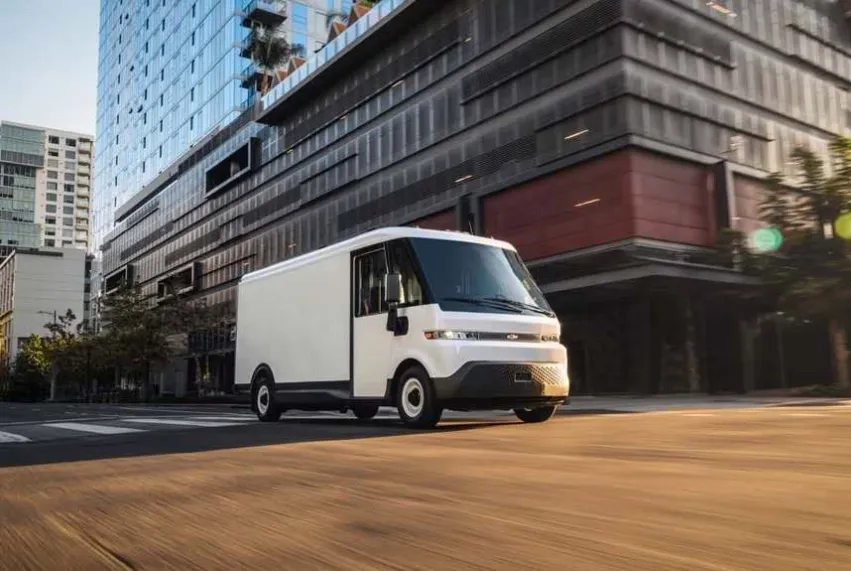
As electric cargo vehicles and delivery fleets continue to expand, reducing downtime has become a major focus for fleet operators and vehicle manufacturers alike.
How to Reduce Downtime in Last-Mile Delivery EVs
For last-mile delivery operators, vehicle uptime is one of the most important factors affecting profitability.
Every hour a vehicle spends waiting for charging, maintenance, or repairs is time that cannot be used for deliveries.
As electric cargo vehicles and delivery fleets continue to expand, reducing downtime has become a major focus for fleet operators and vehicle manufacturers alike.
Why Downtime Matters
Last-mile delivery vehicles often operate on tight schedules.
Whether delivering parcels, food, groceries, or commercial goods, consistent vehicle availability is essential.
Even small reductions in downtime can improve fleet productivity and operational efficiency.
Charging Strategy Plays a Key Role
Many fleet operators focus on battery capacity when evaluating electric vehicles.
However, charging strategy is equally important.
Choosing the appropriate On-Board Charger power level can help ensure vehicles are ready when needed.
In some applications, a 3.3kW charger may provide sufficient overnight charging.
In higher-utilization fleets, a 6.6kW charger may help reduce turnaround time between shifts.
The right choice depends on the vehicle's daily operating pattern.
Reliability Reduces Unexpected Stops
Unexpected charging system failures can have a direct impact on fleet operations.
Reliable power electronics help reduce the risk of:
- Charging interruptions
- Vehicle startup issues
- Auxiliary power problems
- Maintenance-related downtime
Long-term reliability often contributes more value than small differences in charging speed.
Vehicle Design and Installation
Compact vehicle packaging can also affect maintenance efficiency.
Integrated power units may help reduce wiring complexity and simplify installation in some vehicle platforms.
A well-organized electrical system can make troubleshooting and servicing easier throughout the vehicle's lifetime.
Fleet Operating Conditions
Delivery vehicles frequently operate under demanding conditions.
Examples include:
- Frequent stop-start cycles
- Long daily operating hours
- Urban traffic conditions
- High ambient temperatures
Charging systems and power electronics must be capable of supporting these real-world operating environments.
A Practical Approach
Reducing downtime is not about maximizing a single performance parameter.
It involves balancing:
- Charging speed
- Reliability
- Maintenance requirements
- Vehicle utilization
- Operating costs
The most effective solution is often the one that best matches the vehicle's daily usage profile.
Looking Ahead
As last-mile delivery fleets continue to electrify, vehicle uptime will remain a key performance indicator.
Charging systems, power electronics, and overall vehicle design all contribute to operational efficiency.
By focusing on reliability, charging strategy, and system integration, fleet operators can help maximize vehicle availability and improve long-term productivity.