Jun 26, 2026
Common Charging Challenges in Commercial EV Projects
Whether it is an electric cargo vehicle, utility vehicle, electric three-wheeler, golf cart, or fleet vehicle, charging issues can directly affect vehicle availability and daily operations.
Common Charging Challenges in Commercial EV Projects
As electric vehicles become more widely used in commercial applications, charging performance has become an increasingly important part of overall vehicle reliability.
Whether it is an electric cargo vehicle, utility vehicle, electric three-wheeler, golf cart, or fleet vehicle, charging issues can directly affect vehicle availability and daily operations.
While battery technology continues to improve, many charging-related challenges still appear during vehicle development and real-world operation.
Understanding these challenges early can help manufacturers reduce downtime and improve customer satisfaction.
Charging Speed Is Not Always the Main Problem
When discussing EV charging, most people focus on charging speed.
However, in many commercial vehicle projects, reliability is often more important than charging power.
A vehicle that charges slightly slower but operates consistently every day may be more valuable than a vehicle that charges quickly but experiences frequent charging interruptions.
For fleet operators, reliability often has a greater impact on overall operating costs.
High Ambient Temperature
Commercial EVs frequently operate in demanding environments.
In regions such as India, the Middle East, Southeast Asia, and other hot climates, charging systems may be exposed to high ambient temperatures for extended periods.
Excessive heat can affect charging performance and increase stress on electronic components.
This is why thermal design and temperature protection functions are important considerations when selecting charging equipment.
Limited Installation Space
Many electric cargo vehicles and compact commercial EVs have very limited space available for power electronics.
Vehicle manufacturers often need to fit batteries, motor controllers, wiring systems, and charging equipment into a restricted area.
As a result, installation flexibility and component size can become important factors during vehicle design.
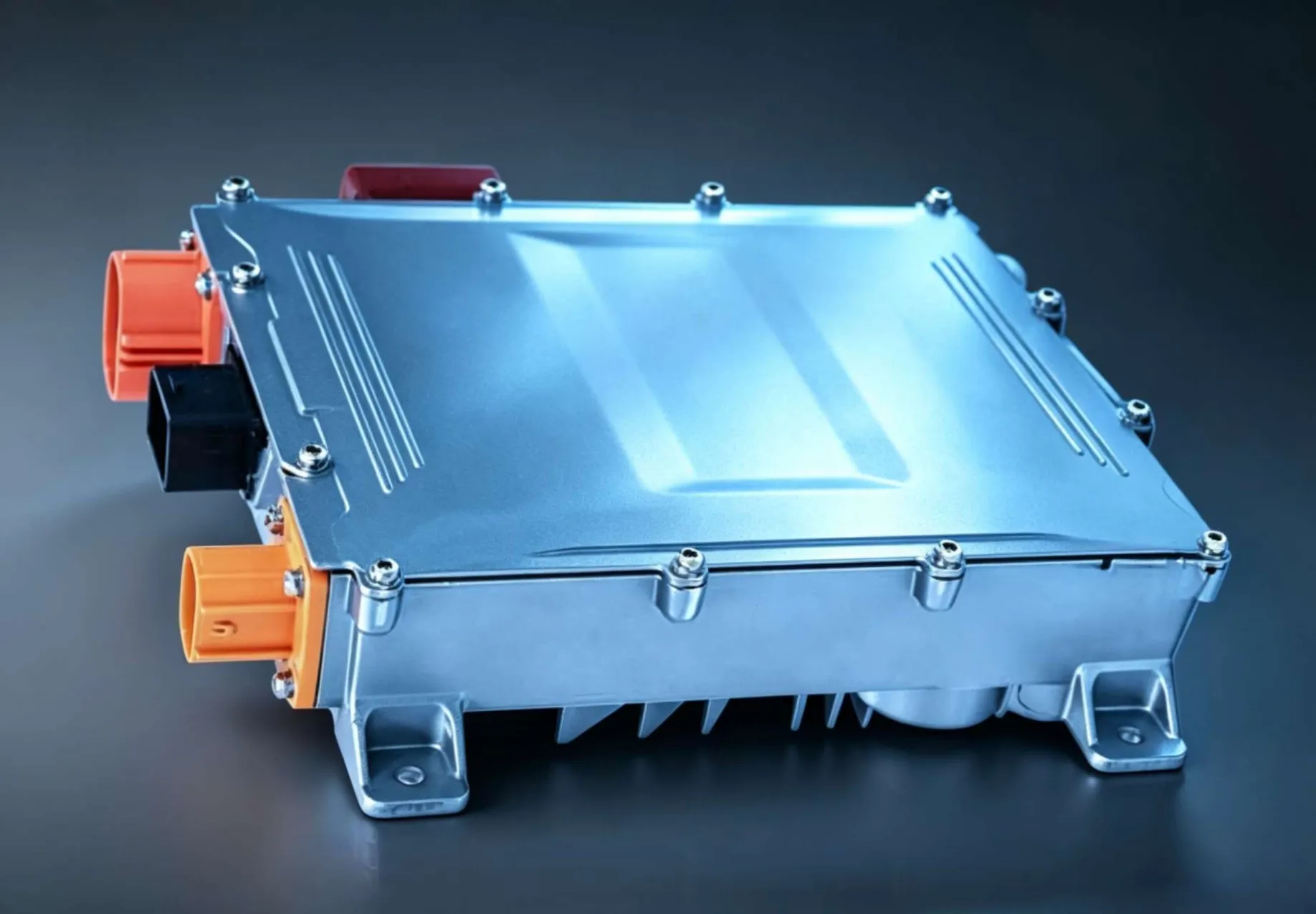
This challenge is one reason why integrated OBC and DC-DC solutions have become increasingly popular in some applications.
Downtime During Daily Operations
For commercial vehicles, charging is not only about replenishing energy.
It is also about maximizing vehicle availability.
A delivery vehicle that remains connected to a charger for longer than necessary may lose valuable operating time.
Selecting the appropriate charging power level and charging strategy can help improve fleet utilization and reduce unnecessary downtime.
Reliability Over the Vehicle Lifetime
Commercial EVs are expected to operate for years under changing environmental conditions.
Vibration, temperature changes, dust, humidity, and frequent charging cycles can all place stress on charging systems.
Long-term reliability is therefore an important consideration when evaluating charging solutions.
In many cases, maintenance costs and downtime have a greater impact on total ownership costs than the initial purchase price.
Matching the Charger to the Vehicle
One common mistake is assuming that the same charging solution is suitable for every vehicle platform.
In reality, charger selection should be based on factors such as:
- Battery capacity
- Vehicle application
- Daily operating hours
- Charging infrastructure
- Installation space
- Environmental conditions
Different vehicles often require different charging strategies.
The most effective solution is usually the one that best matches the vehicle's actual operating requirements.
Looking Ahead
As commercial EV adoption continues to grow, charging systems will play an increasingly important role in vehicle performance and customer satisfaction.
Fast charging will remain important, but reliability, thermal performance, installation flexibility, and long-term durability will continue to be equally critical.
Understanding common charging challenges is the first step toward building more reliable and efficient commercial electric vehicles for the future.