Jul 13, 2026
Why Aging Tests Are Essential for Reliable EV On-Board Chargers
Choosing an EV on-board charger is not only about power output or charging efficiency. Behind every reliable charger is a rigorous manufacturing and testing process.
Why Aging Tests Are Essential for Reliable EV On-Board Chargers
Meta Description
Learn why aging tests are essential for EV onboard chargers, how burn-in testing improves reliability, and how Echelon Energy enhances manufacturing quality with advanced testing equipment.
Why Aging Tests Are Essential for Reliable EV On-Board Chargers
When selecting an EV on-board charger, most people compare power ratings, charging efficiency, communication protocols, or protection functions.
However, one manufacturing process has a significant impact on long-term reliability but is often overlooked—the aging test.
Aging testing plays an important role in ensuring that every charger operates consistently before it reaches the vehicle manufacturer.
What Is an Aging Test?
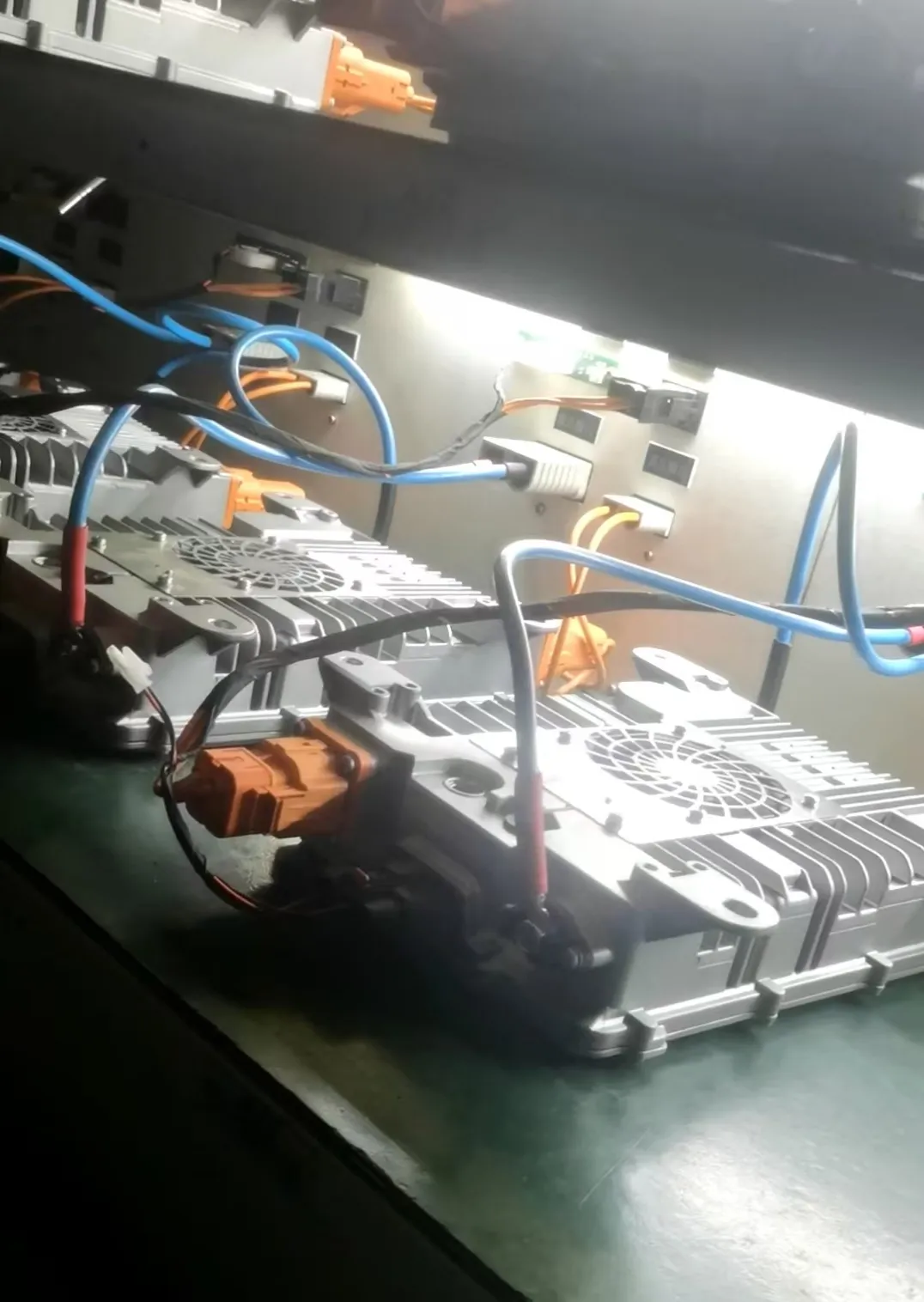
An aging test, sometimes called a burn-in test, is a continuous operating test performed after production.
Instead of checking whether the charger simply powers on, engineers allow the unit to operate under controlled conditions for an extended period while monitoring its performance.
The purpose is to verify:
- Stable electrical output
- Temperature performance
- Communication stability
- Protection functions
- Overall operational consistency
This helps detect potential issues before products are shipped.
Investing in Better Testing Capability
As production demand continues to grow, testing capability must grow as well.
To support our manufacturing process, Echelon Energy has recently added a new aging test system capable of testing more chargers simultaneously while maintaining strict quality standards.
Rather than shortening testing time, the new equipment allows us to improve production efficiency while keeping the same inspection process for every product.
Supporting Multiple EV Charging Solutions
The aging system is used to test a wide range of EV power products, including:
- On-board chargers
- DC-DC converters
- Integrated OBC + DC/DC units
- 3-in-1 power systems
These products support commercial EV applications including electric motorcycles, electric cargo vehicles, agricultural EVs, electric utility vehicles, forklifts, and other specialty electric vehicles.
Quality Begins Long Before Delivery
For EV manufacturers, product quality is built throughout the manufacturing process—not only during final inspection.
Every stage, from component assembly to aging tests, contributes to the long-term performance of the final product.
By continuously improving our testing capability, we aim to provide reliable charging solutions that help OEM customers build dependable electric vehicles.