Jun 26, 2026
Why Are More Commercial EVs Moving Toward Integrated OBC and DC-DC Systems?
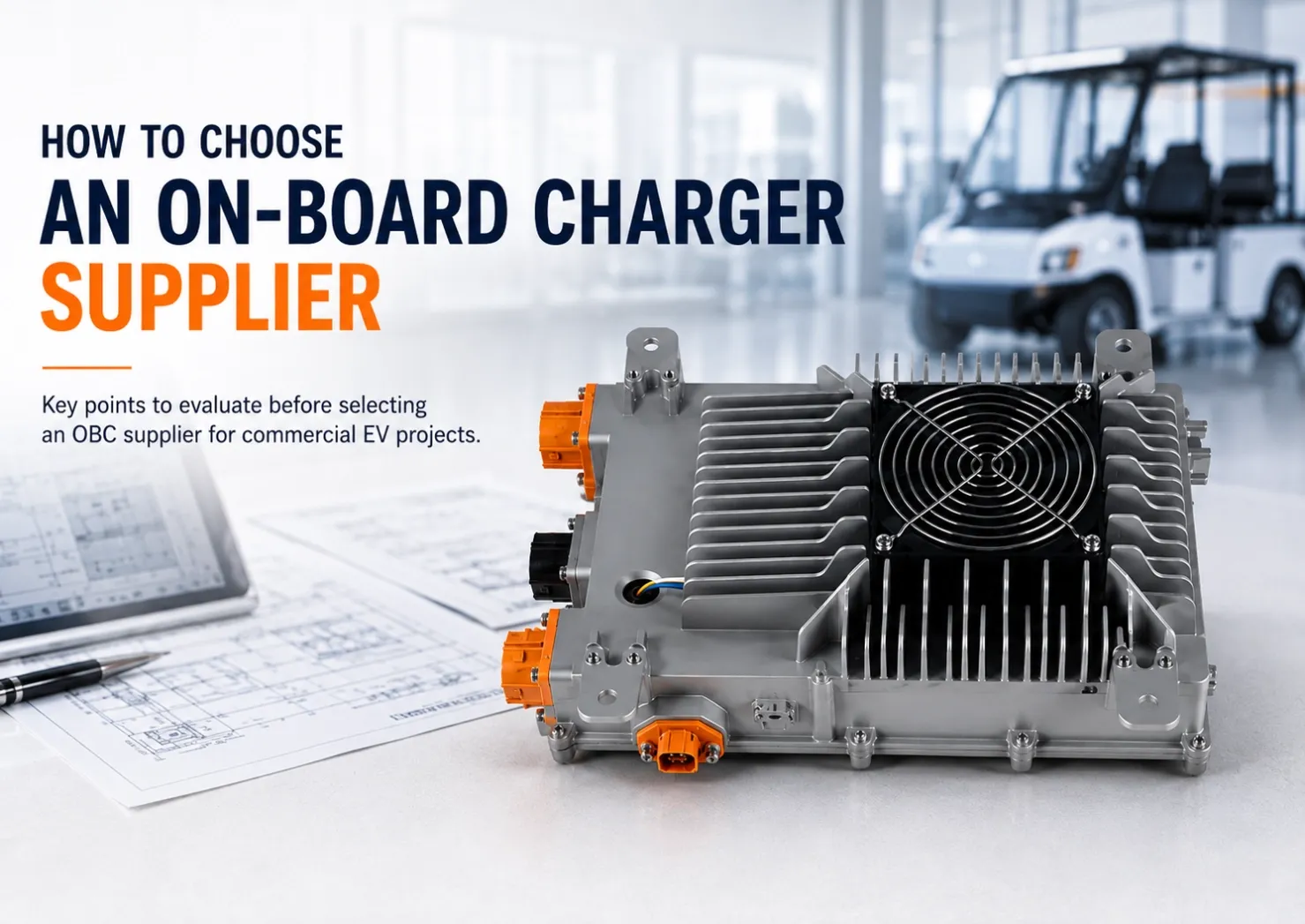
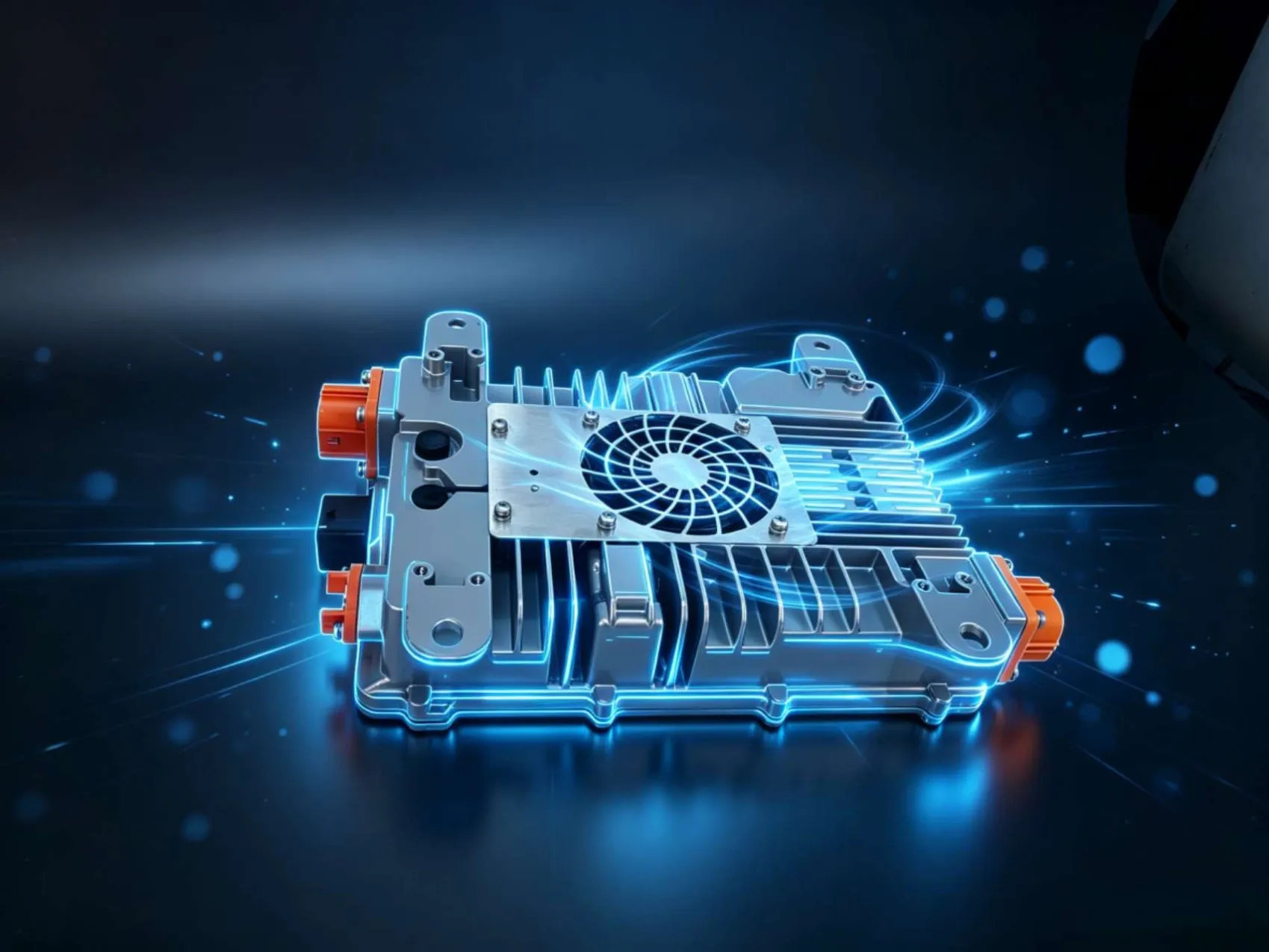
One trend becoming increasingly common is the integration of the On-Board Charger (OBC) and DC-DC Converter into a single unit.
As the commercial EV industry continues to grow, vehicle manufacturers are constantly looking for ways to improve efficiency, simplify vehicle design, and make better use of available installation space.
This is especially true for electric cargo vehicles, electric three-wheelers, utility vehicles, golf carts, ATVs, and other compact electric mobility platforms where every component must fit within limited space.
One trend becoming increasingly common is the integration of the On-Board Charger (OBC) and DC-DC Converter into a single unit.
But why are more manufacturers choosing this approach?
Understanding the Role of OBC and DC-DC
The On-Board Charger (OBC) converts AC power from the grid into DC power for charging the vehicle battery.
The DC-DC Converter takes energy from the high-voltage battery and converts it into lower voltages such as 12V or 24V to power auxiliary systems including lighting, displays, controllers, communication modules, and other electronic devices.
Traditionally, these two functions have been implemented as separate units. However, integrated solutions are becoming more common in newer EV platforms.
Space Is Often the First Challenge
In many electric cargo vehicle and utility vehicle projects, installation space is one of the biggest design constraints.
Vehicle manufacturers must fit batteries, controllers, motors, wiring harnesses, cooling systems, and charging equipment into a limited area.
By combining the OBC and DC-DC Converter into a single housing, manufacturers can reduce the number of components and make vehicle packaging more efficient.
For compact commercial EVs, this additional space can be valuable.
Simplifying Vehicle Wiring
Separate power units require additional connectors, cables, mounting points, and assembly work.
An integrated solution can help simplify the electrical architecture and reduce wiring complexity.
Fewer connections may also help reduce potential failure points during long-term vehicle operation.
For manufacturers producing vehicles in larger volumes, simplifying assembly can improve production efficiency and consistency.
Reducing Weight and Improving Packaging
Although the weight difference may not be dramatic, reducing unnecessary hardware can contribute to a lighter vehicle system.
More importantly, integrated power units can help create a cleaner vehicle layout and provide engineers with greater flexibility when designing new vehicle platforms.
This is one reason integrated solutions are becoming increasingly popular in modern commercial EVs.
Is an Integrated Solution Always Better?
Not necessarily.
Separate OBC and DC-DC units still offer advantages in some applications.
For example, separate units can sometimes make servicing and replacement easier. Certain low-volume or highly customized vehicle projects may also benefit from greater flexibility in component selection.
The best choice depends on several factors:
- Available installation space
- Vehicle type
- Production volume
- Service requirements
- Cost considerations
- Future platform development plans
There is no single solution that works for every project.
Looking Ahead
As commercial EV manufacturers continue to optimize vehicle design, integrated OBC and DC-DC systems will likely become more common across a wide range of applications.
However, successful vehicle development is rarely about following trends. It is about selecting the architecture that best supports the vehicle's intended use, performance requirements, and long-term reliability goals.
Whether integrated or separate, both approaches can be effective when matched to the right vehicle platform.
As power electronics continue to evolve, manufacturers will have more options than ever to build efficient, reliable, and practical electric vehicles for the future.