Special Low-Speed Vehicle Charging
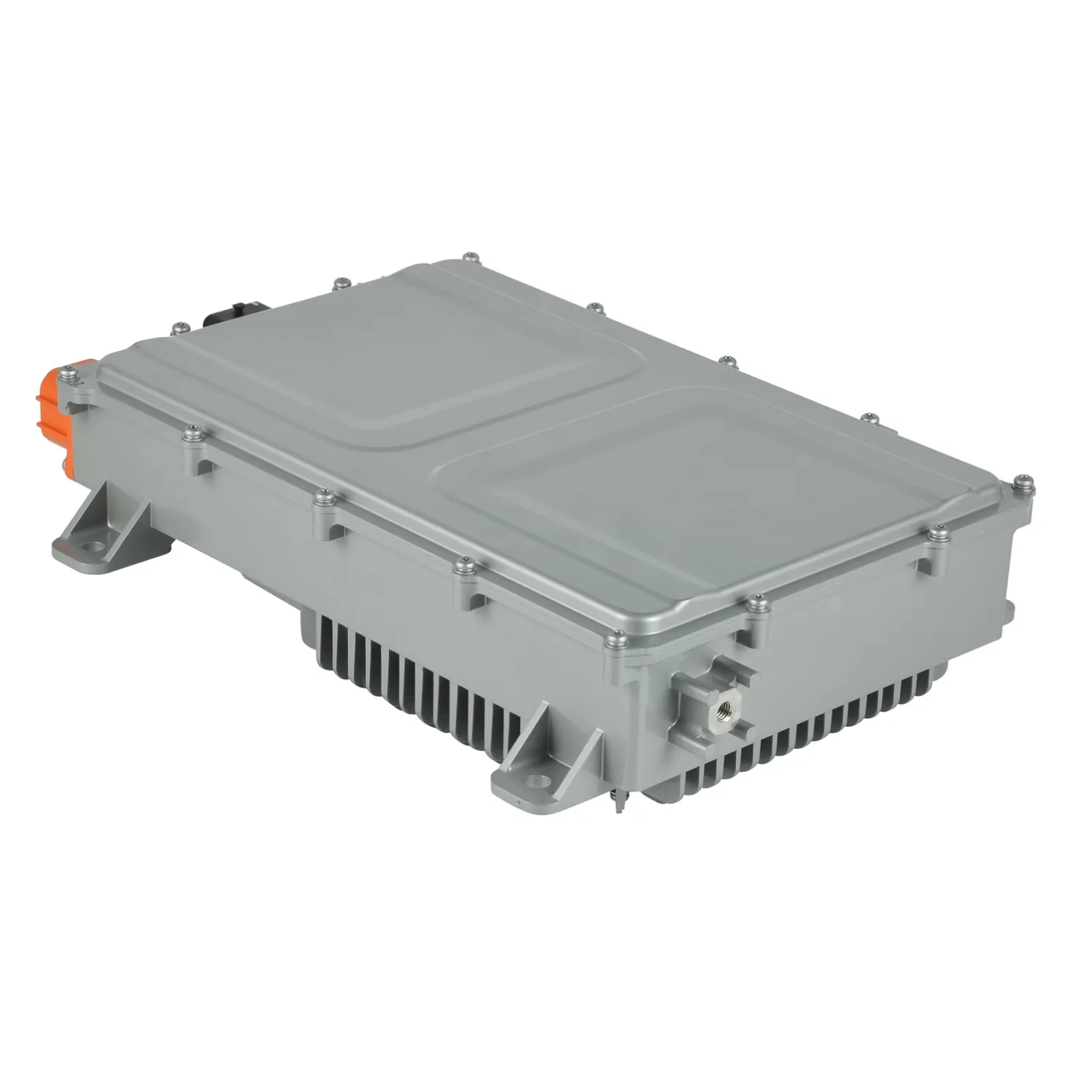
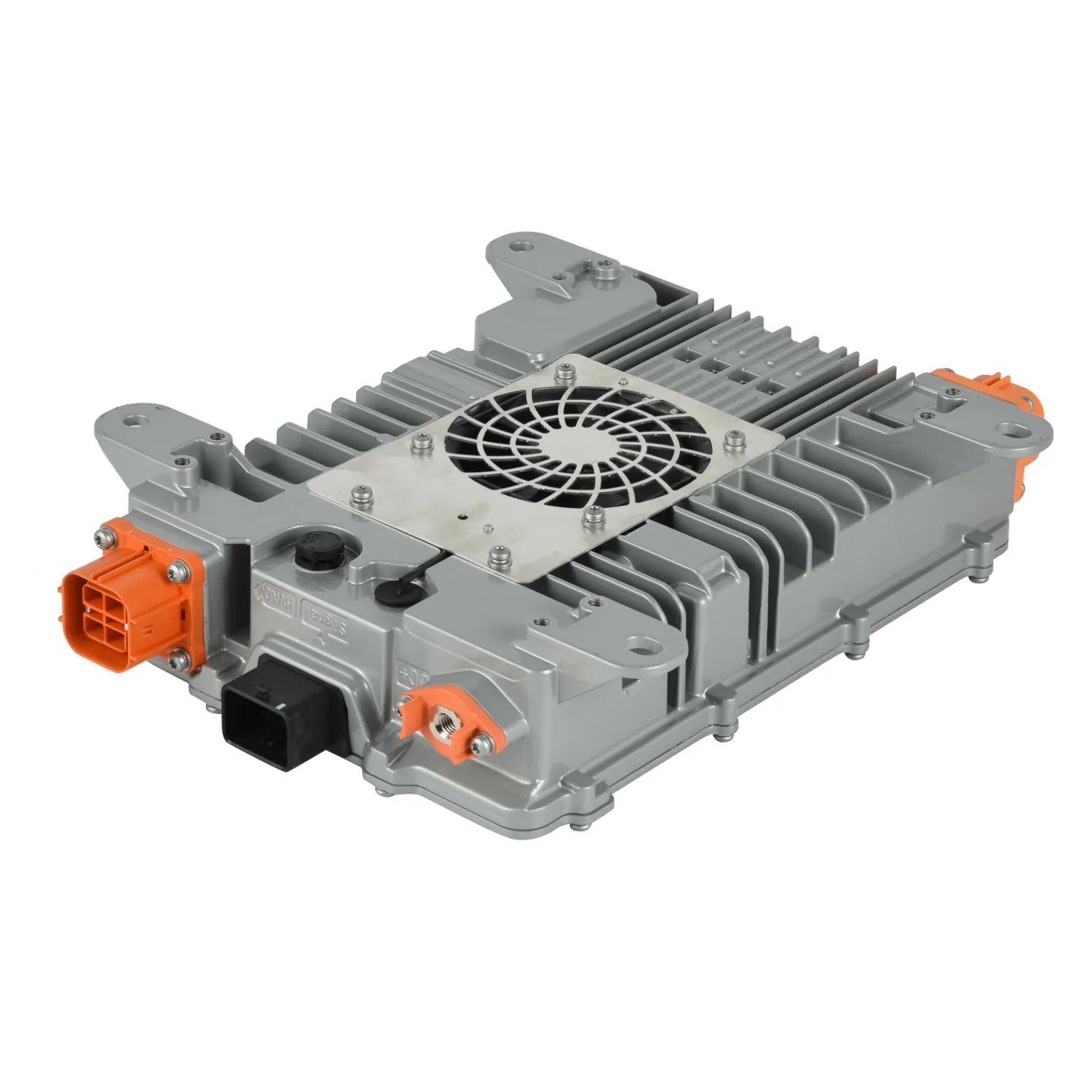
Electric Boats & Marine Craft Charger
On-board chargers for electric boats and marine craft on 96V-320V banks, sealed against moisture and salt air, with OEM/ODM customization.
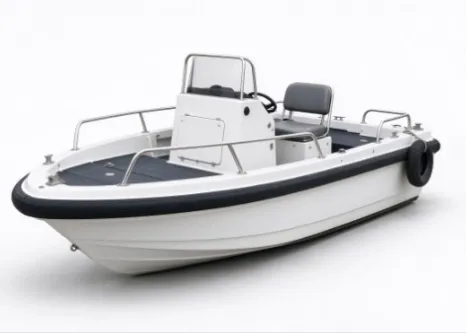
Electric boats and marine craft - from small tenders to electric ferries and workboats - run on high-capacity battery banks and charge at the dock. The marine environment is one of the harshest for power electronics: constant moisture, salt air, high-current loads and vibration.
Echelon builds sealed on-board chargers and integrated OBC + DC/DC units for marine platforms, such as the 6.6 kW OBC + 1.5 kW DC/DC 2-in-1.
What an Electric Boat Needs from a Charger
- A voltage window covering the full charge range of 96 V to 320 V banks
- Charging power sized to the pack and the marina shore-power window
- Sealing and moisture resistance tested for wet, salt-air conditions
- Vibration tolerance for hull and engine-room mounting
- CAN communication for battery and vessel management
- Isolation and protection appropriate to marine electrical systems
Choosing the Charging Power
- 3.3 kW - smaller tenders and light marine platforms
- 6.6 kW - larger boats charging overnight from shore power
- 11 kW - ferries and workboats topping up in short berth windows
FAQ
Can a standard OBC survive a marine environment?
A sealed IP-rated enclosure and corrosion-resistant construction are needed for constant moisture, salt air and engine-room vibration.
How long does an electric boat take to charge?
At 6.6 kW a typical marine bank refills overnight from shore power; large banks or short berth windows call for higher power.
What voltage do electric boats use?
Larger craft commonly use 96 V to 320 V class banks; confirm the charger's output window covers the full charge range.