
01 / Electrical1
Electrical Configuration
Input and output voltage, charging power and DC/DC output requirements set to your battery pack and vehicle load profile.
Voltage / power / DC-DC output
EV OEM & ODM POWER SOLUTIONS
Engineering and manufacturing support for customized onboard chargers, DC/DC converters and integrated power units built around your vehicle platform, from first requirement review through series production.
In-house R&D | Rapid prototyping | Electrical, CAN and mechanical adaptation
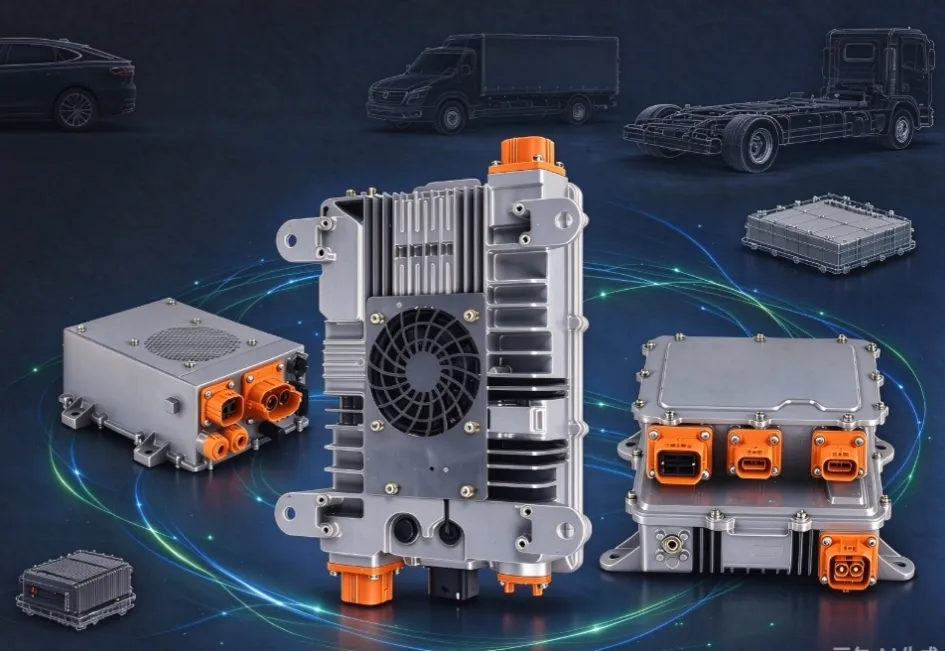
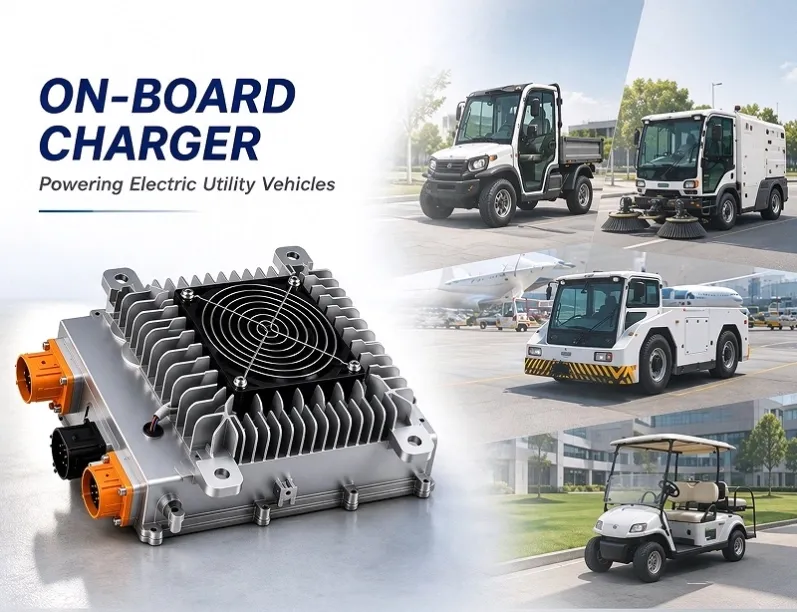
Compact OBC with high conversion efficiency, liquid/air cooling options, and integrated CAN 2.0 communication for EV OEMs.
Powering the future of electric commercial and specialty vehicles with reliable energy conversion.
WHAT WE CAN CUSTOMIZE
Every OEM and ODM programme starts from the same question: what exactly has to change. These are the six areas our engineering team works through with you before a sample is built.
Input and output voltage, charging power and DC/DC output requirements set to your battery pack and vehicle load profile.
CAN messages, BMS and VCU integration, and project-specific communication settings aligned with your vehicle control network.
Connector selection, pin definition and vehicle-side interface adaptation to match the harness you already build.
Housing, mounting points and packaging evaluated against the space and vibration environment of your vehicle installation.
OBC with DC/DC, and OBC with DC/DC and PDU, combined into one enclosure for compact platforms that cannot spare the volume.
Logo, nameplate, product label and project-specific identification applied to the unit and its packaging.
PRODUCT PLATFORMS
Each platform below is in series production and available for project-specific electrical, communication and interface adaptation.
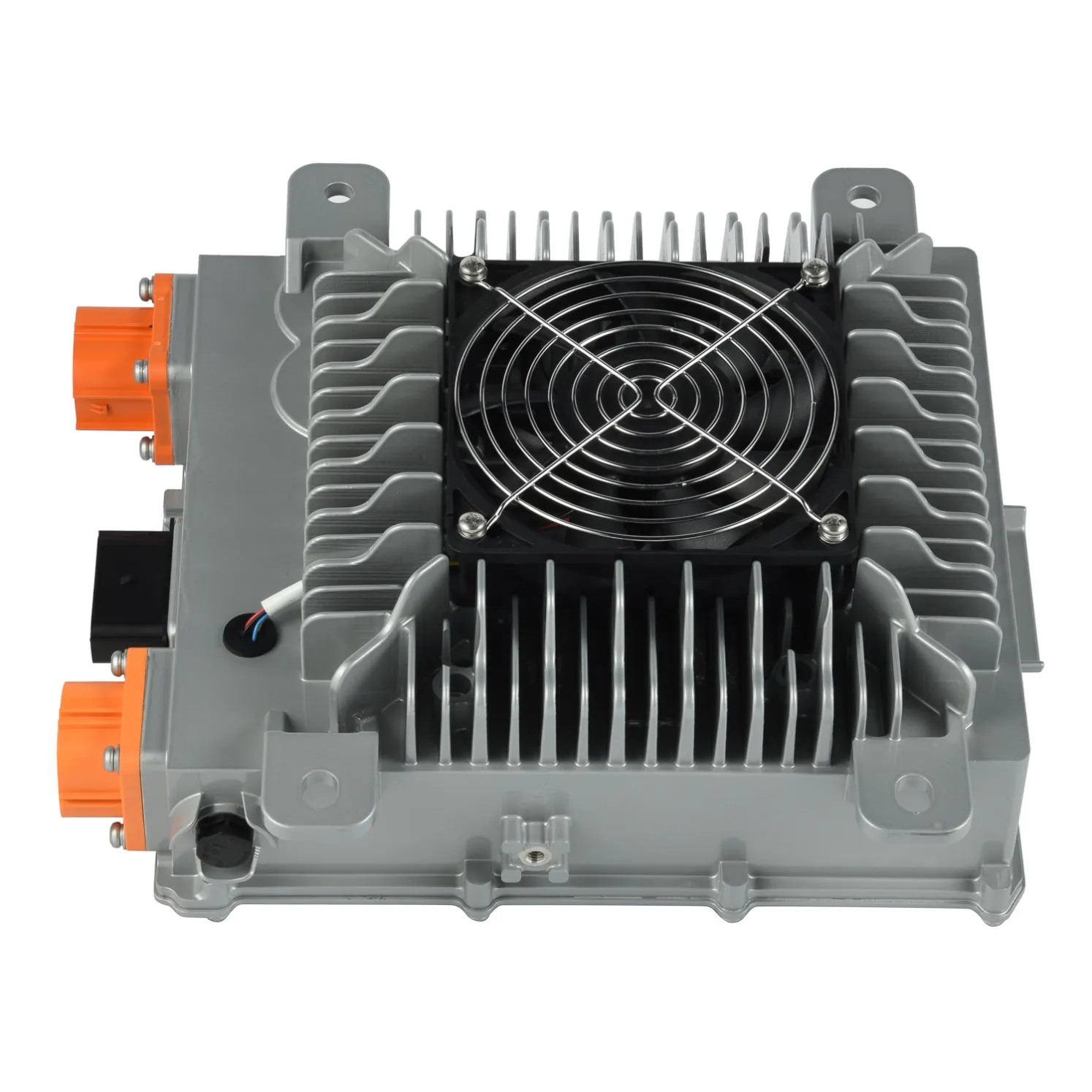
3.3 kW to 11 kW single and three-phase OBCs from 72 V to 800 V, air or liquid cooled, IP67 options.
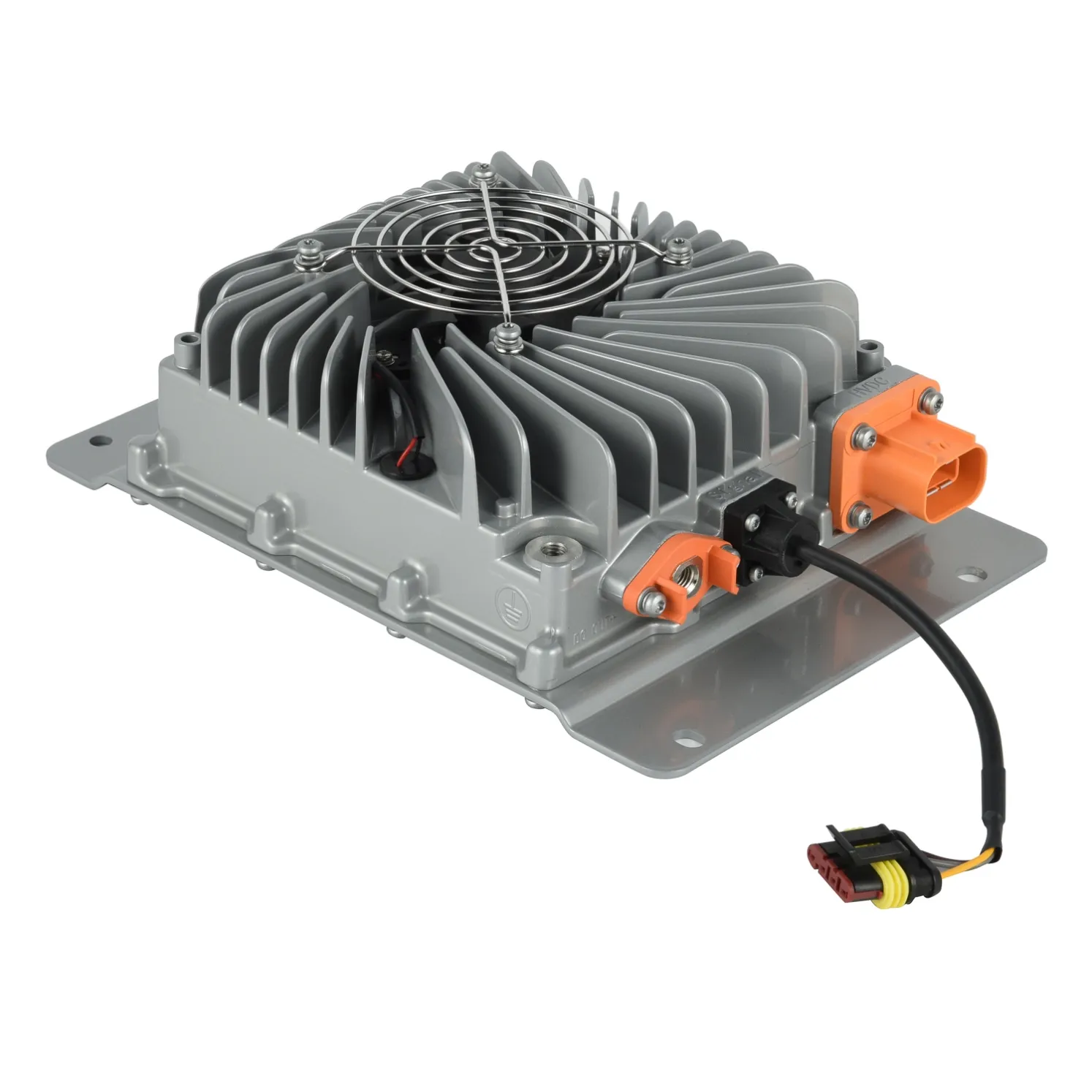
1 kW to 10 kW converters with fixed or wide-range input, for auxiliary and low-voltage rail supply.
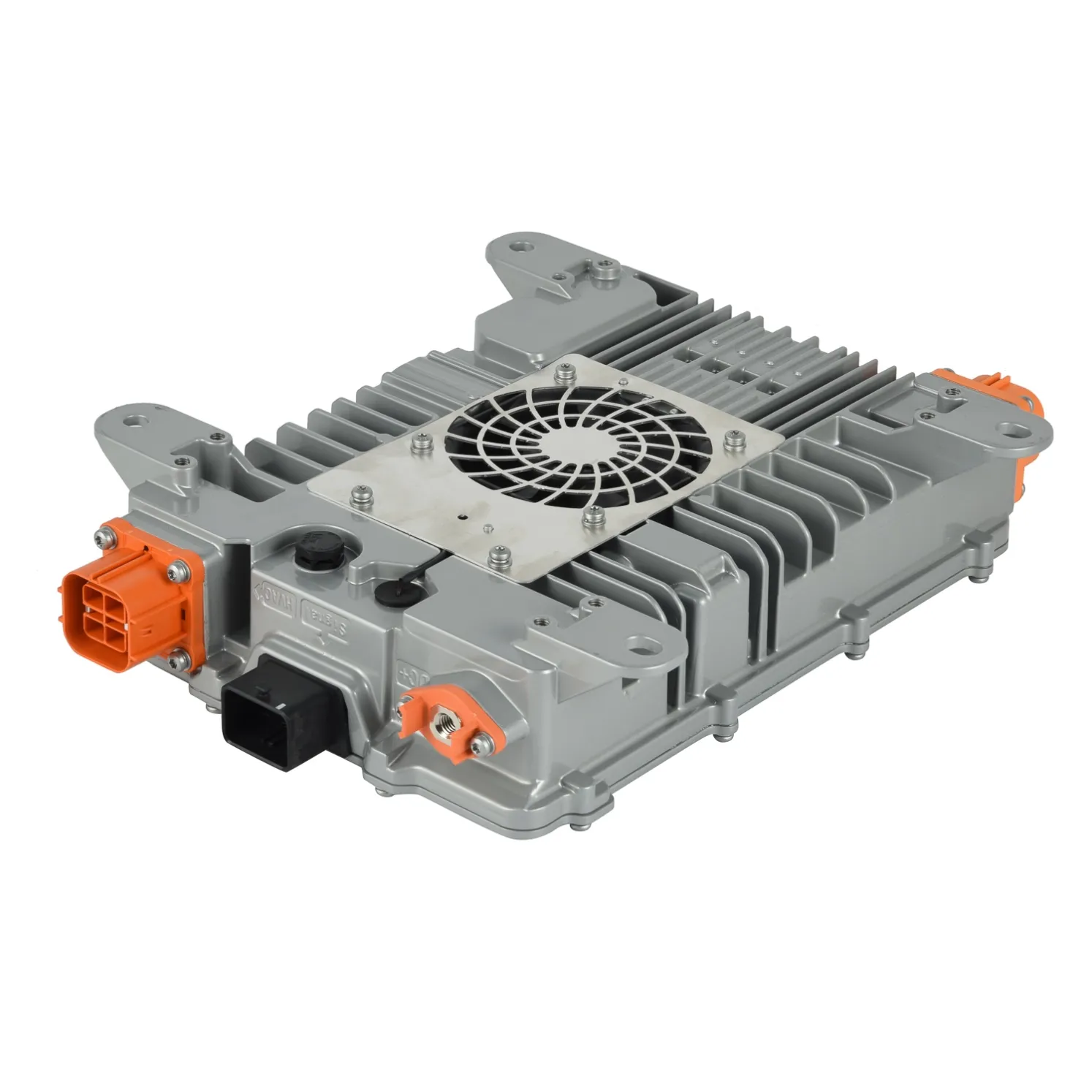
Charger and converter in one enclosure to cut harness, mounting and certification scope.
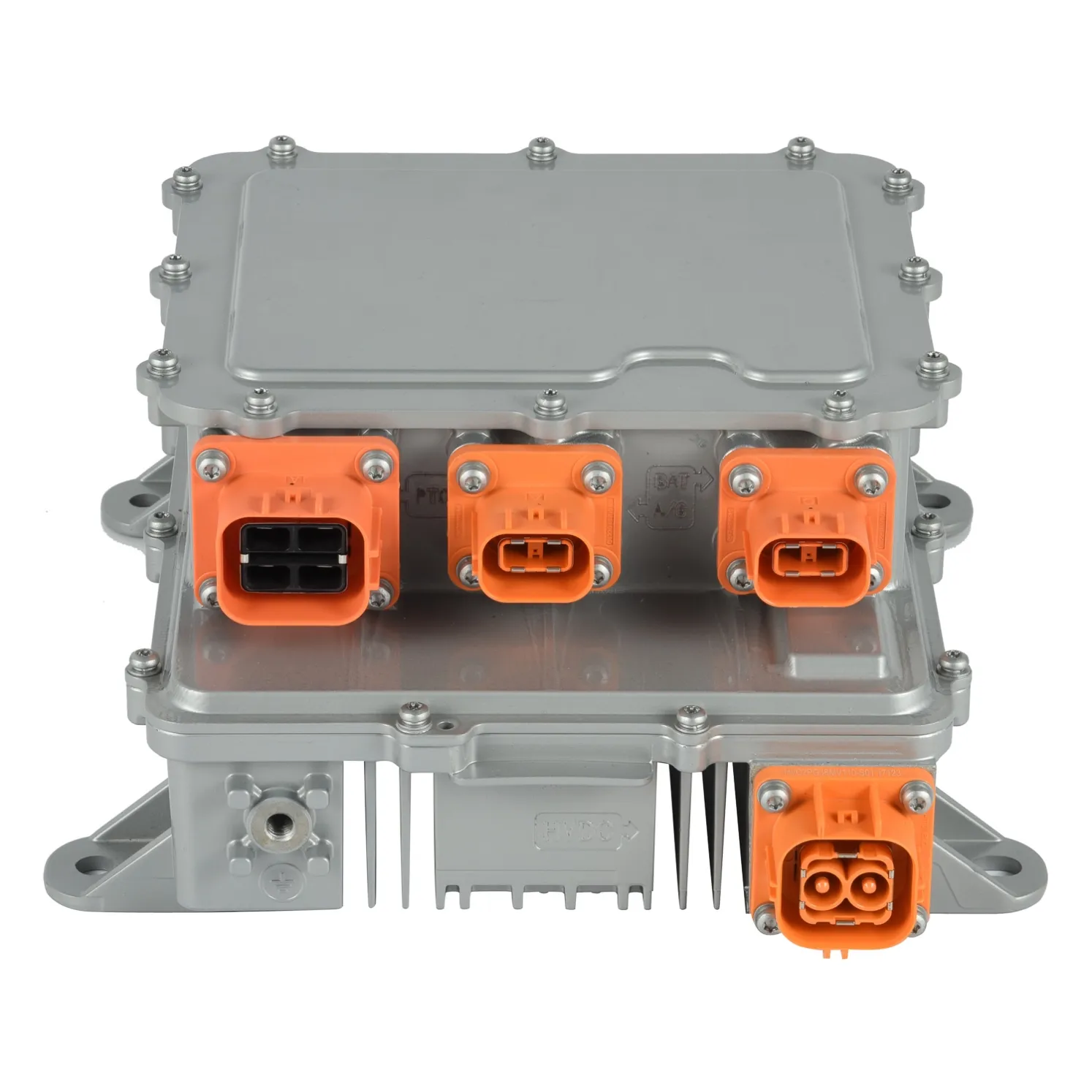
Charging, conversion and power distribution combined for compact platforms with limited volume.
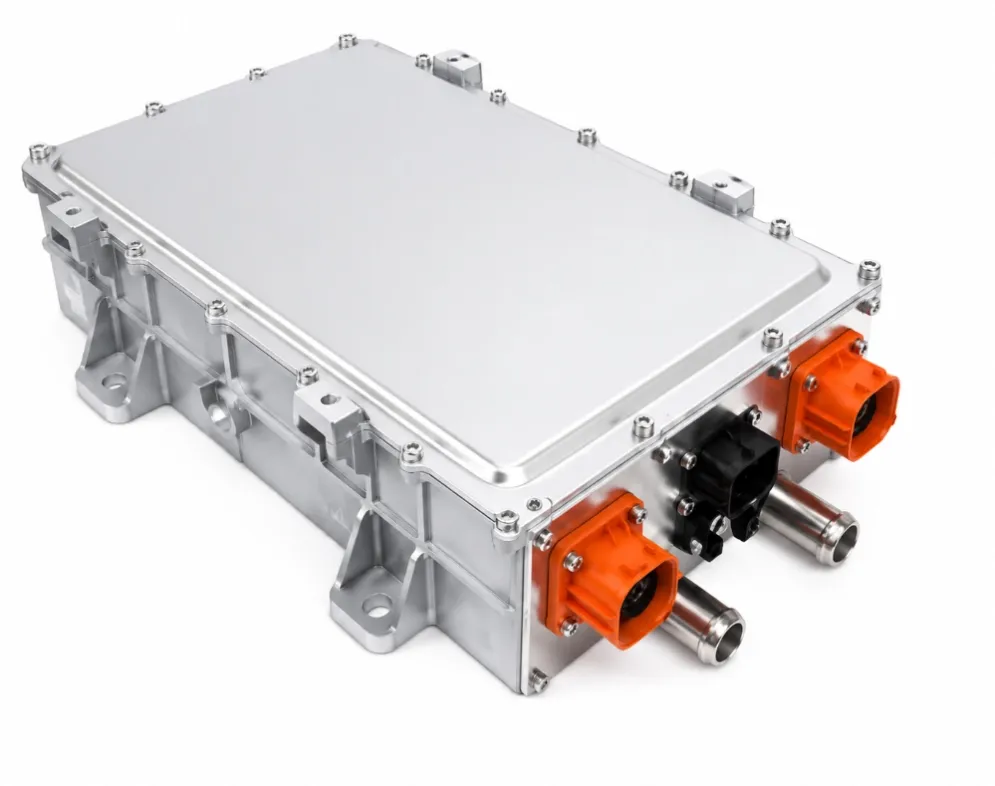
V2G and V2L capable units for vehicles that need to discharge back to an AC load or the grid.
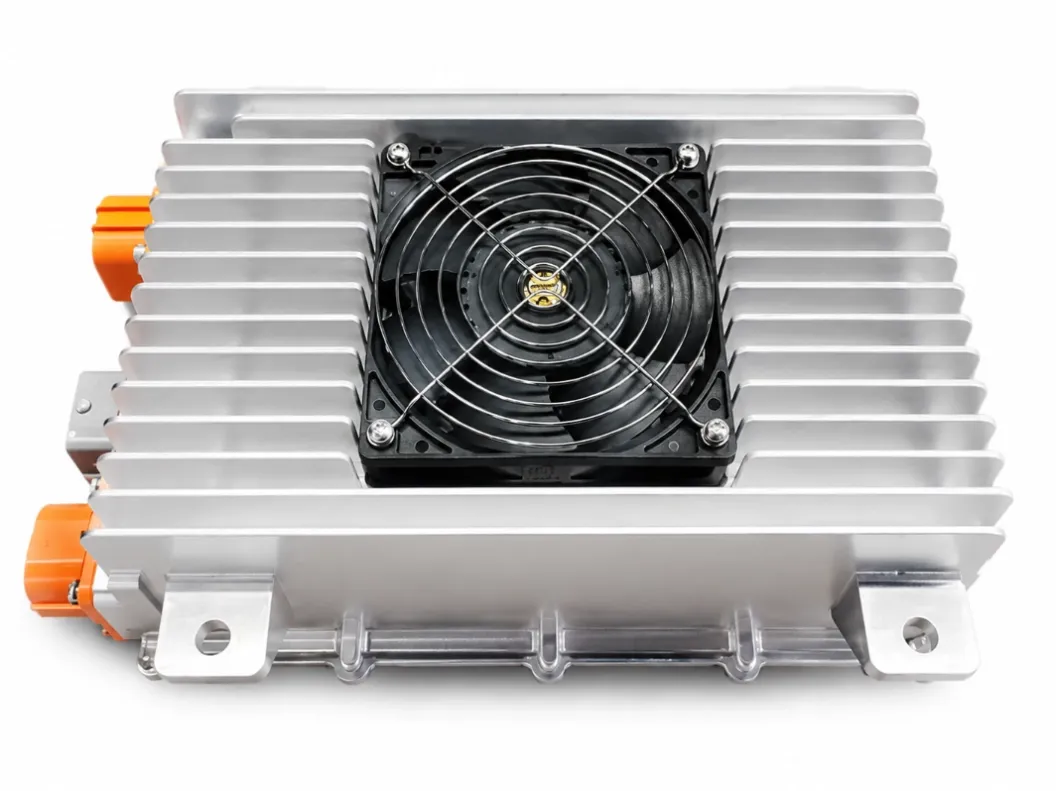
Two input paths in one unit for vehicles used on both AC infrastructure and a DC source.
OEM / ODM PROCESS
A structured development path helps EV OEMs reduce uncertainty from initial requirements through sample validation and production. Requirement review, technical proposal, sample development, testing and validation, production, then delivery and integration support.
We review your vehicle platform, battery voltage, required power, communication requirements and project needs.
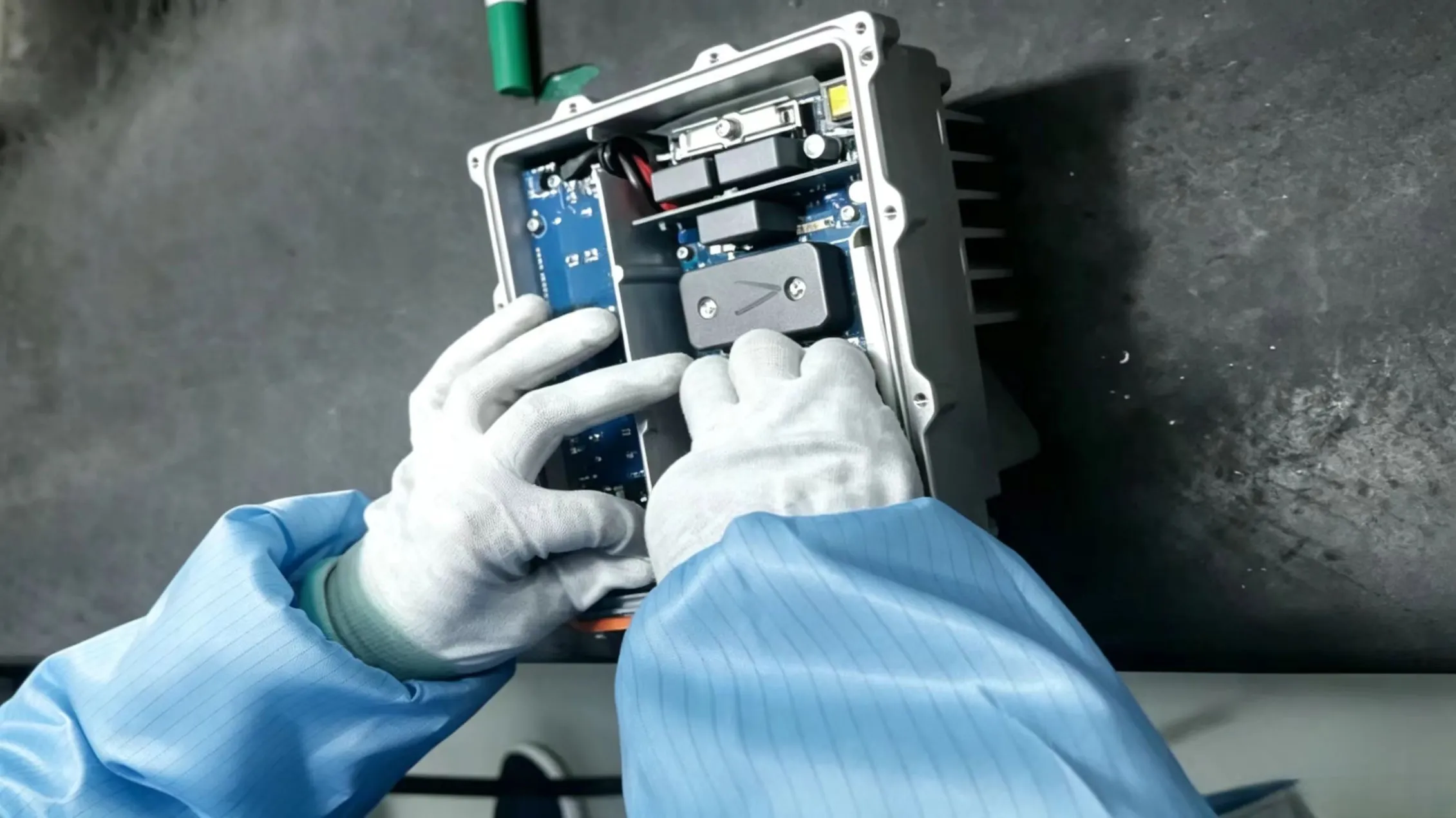
Our engineering team recommends a suitable product platform and confirms the required customization scope.
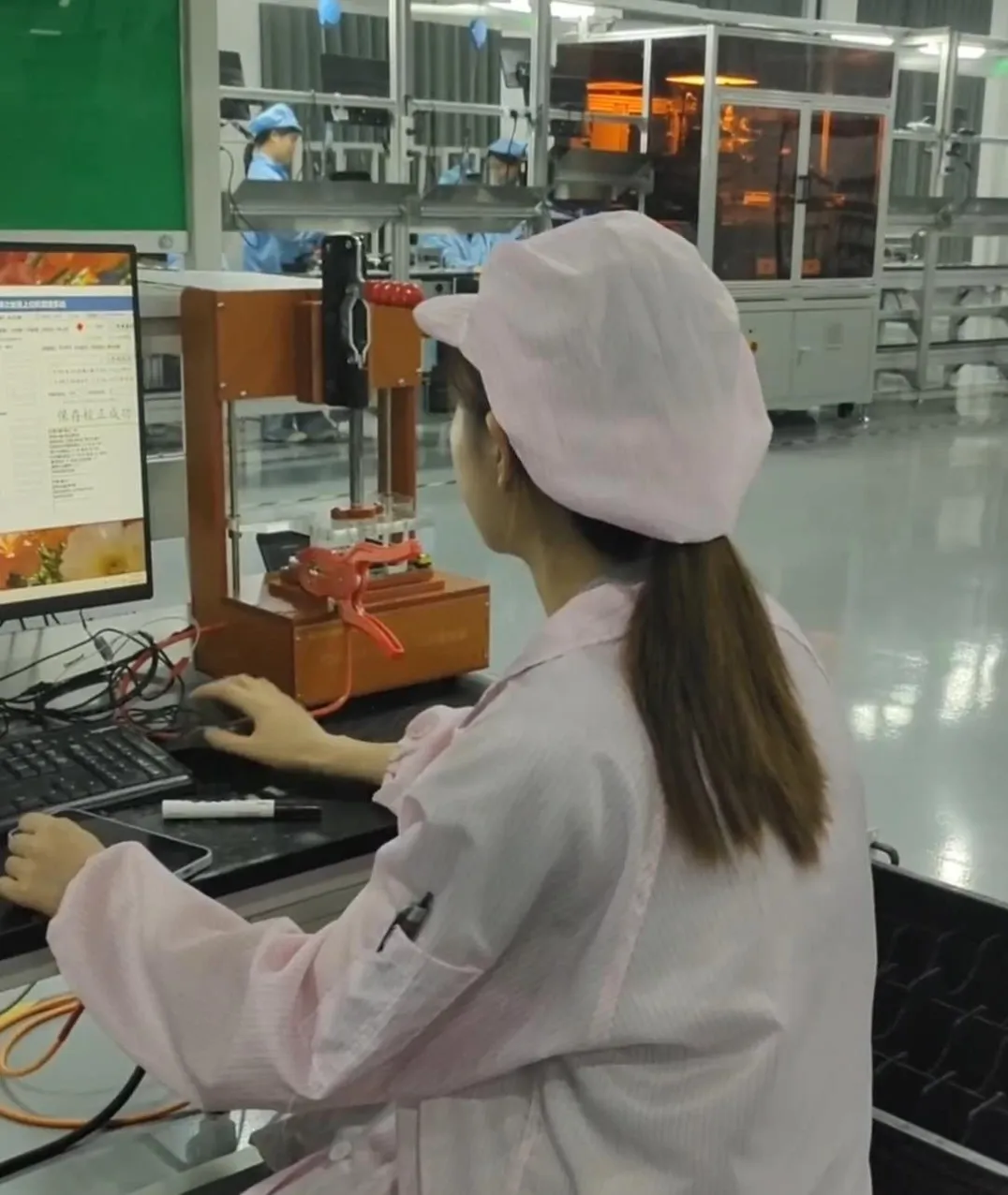
Samples are prepared according to the confirmed electrical, communication and interface requirements.
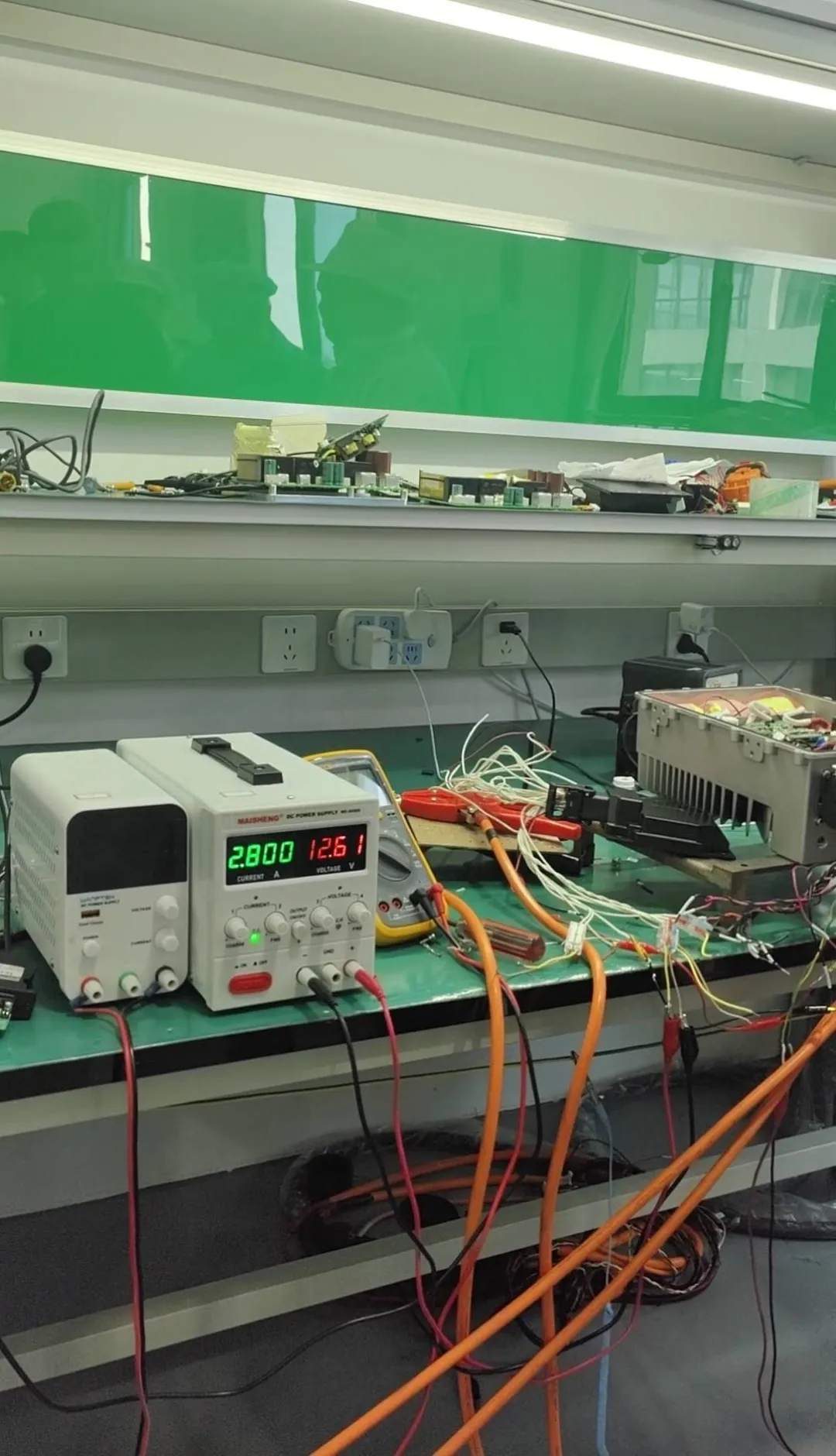
Samples are evaluated through functional testing and project validation, with adjustments made when required.
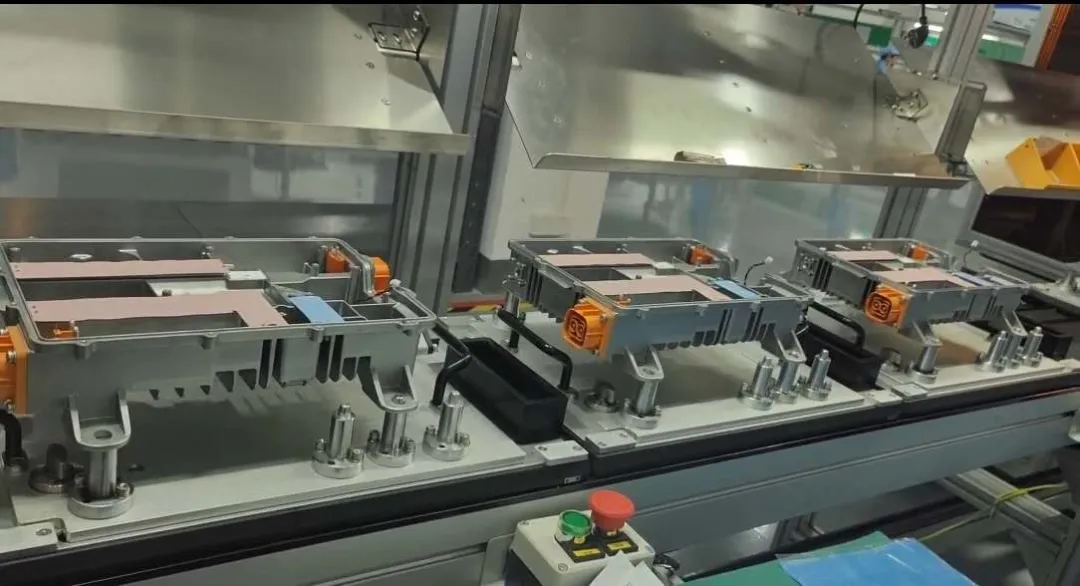
After specifications are confirmed, the project moves into production with standardized quality control and final inspection.

We support shipment, technical coordination and follow-up during vehicle integration and subsequent production.
TESTING & VALIDATION
Custom units are not released on the strength of one good sample. Each configuration is validated against the agreed specification, then checked again in production and at final inspection.
Input range, output regulation, charging curve, protection thresholds and communication behaviour verified against the specification.
Continuous operation at rated load with temperature rise recorded on power devices, magnetics and enclosure surfaces.
Extended run cycles used to expose drift, connector heating or firmware behaviour that a short bench test would miss.
Every unit checked and labelled before packing, with production records kept against the confirmed project specification.
APPLICATIONS
These are the vehicle categories where Echelon OBC and DC/DC units are already in production. Open any one to see the charging architecture and typical power levels.
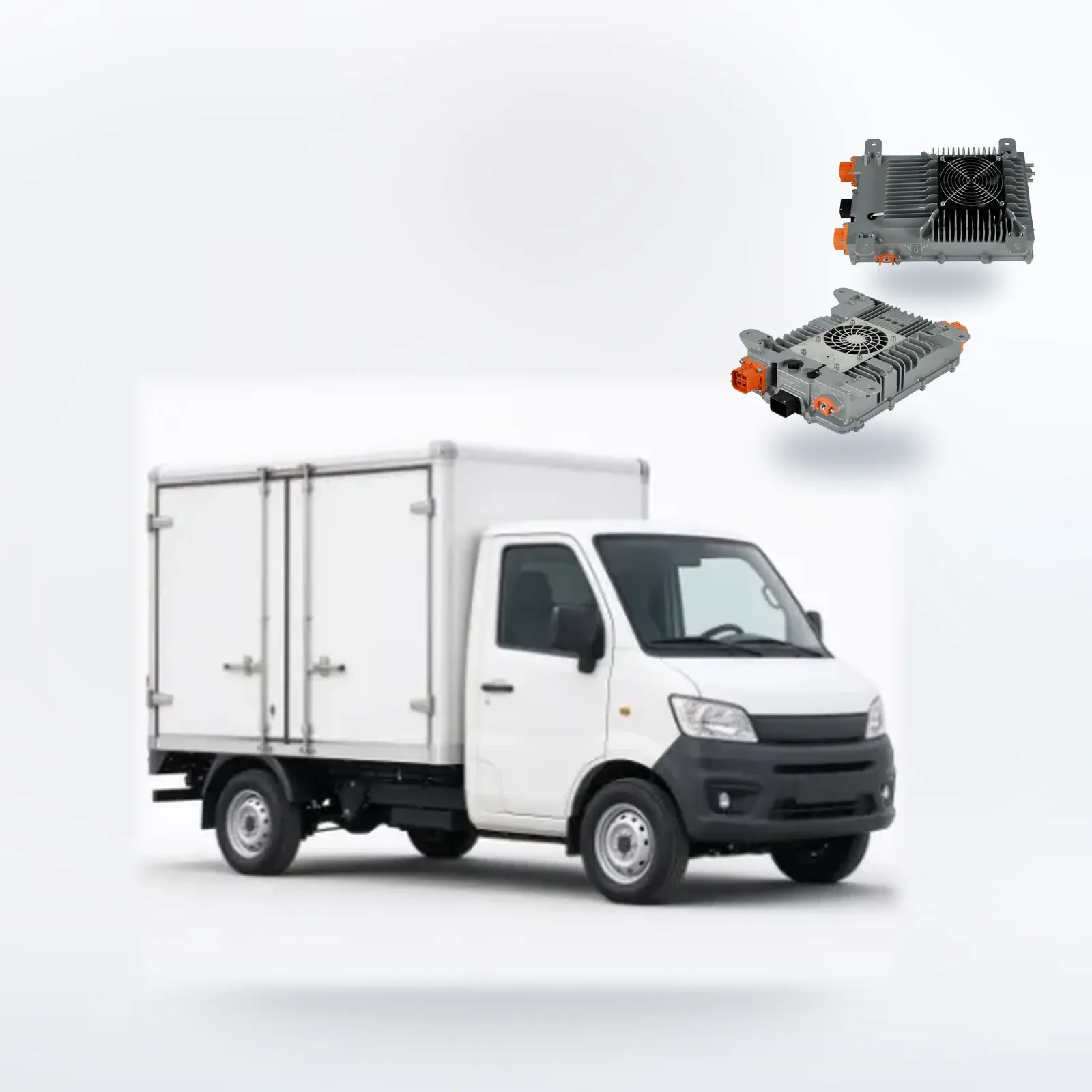
6.6 kW charging with a 1.5 kW auxiliary rail for 96 V to 320 V van platforms.
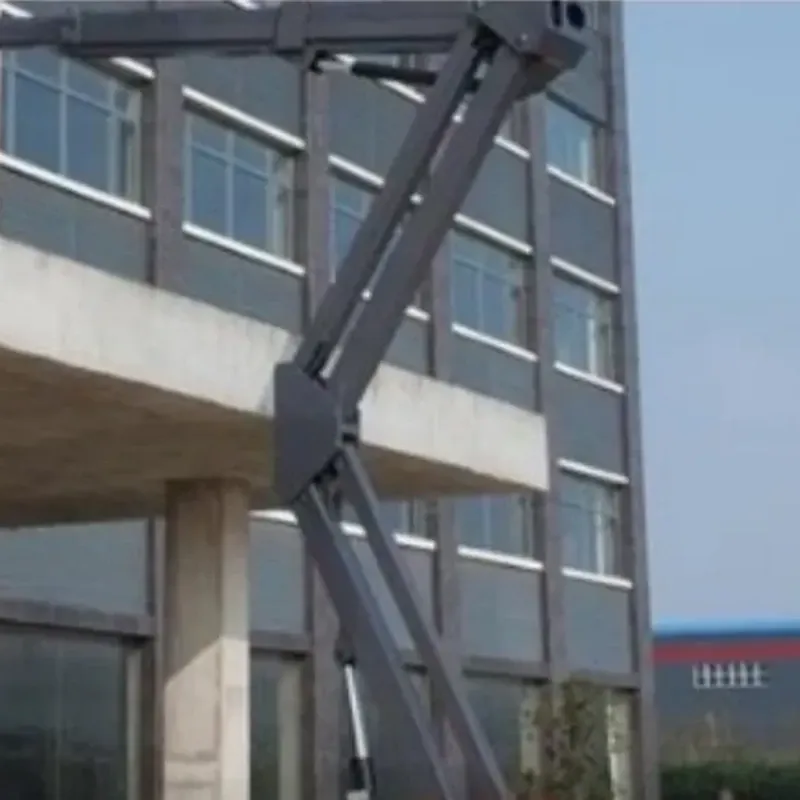
250 V to 450 V charging for excavators, loaders and site equipment exposed to vibration and dust.
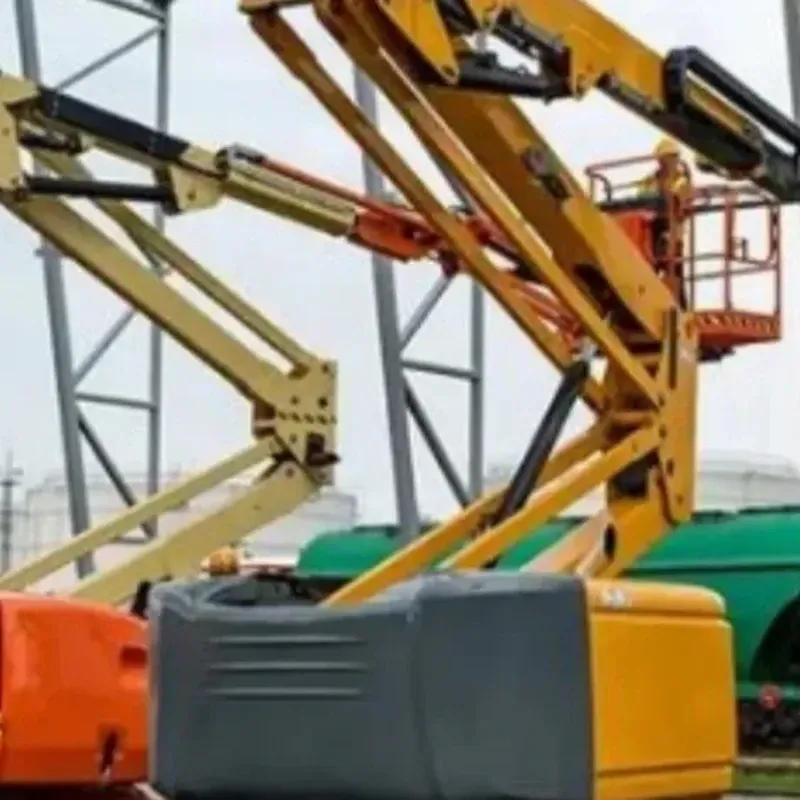
Onboard charging for elevated work platforms, with IP67 and single-phase input options.
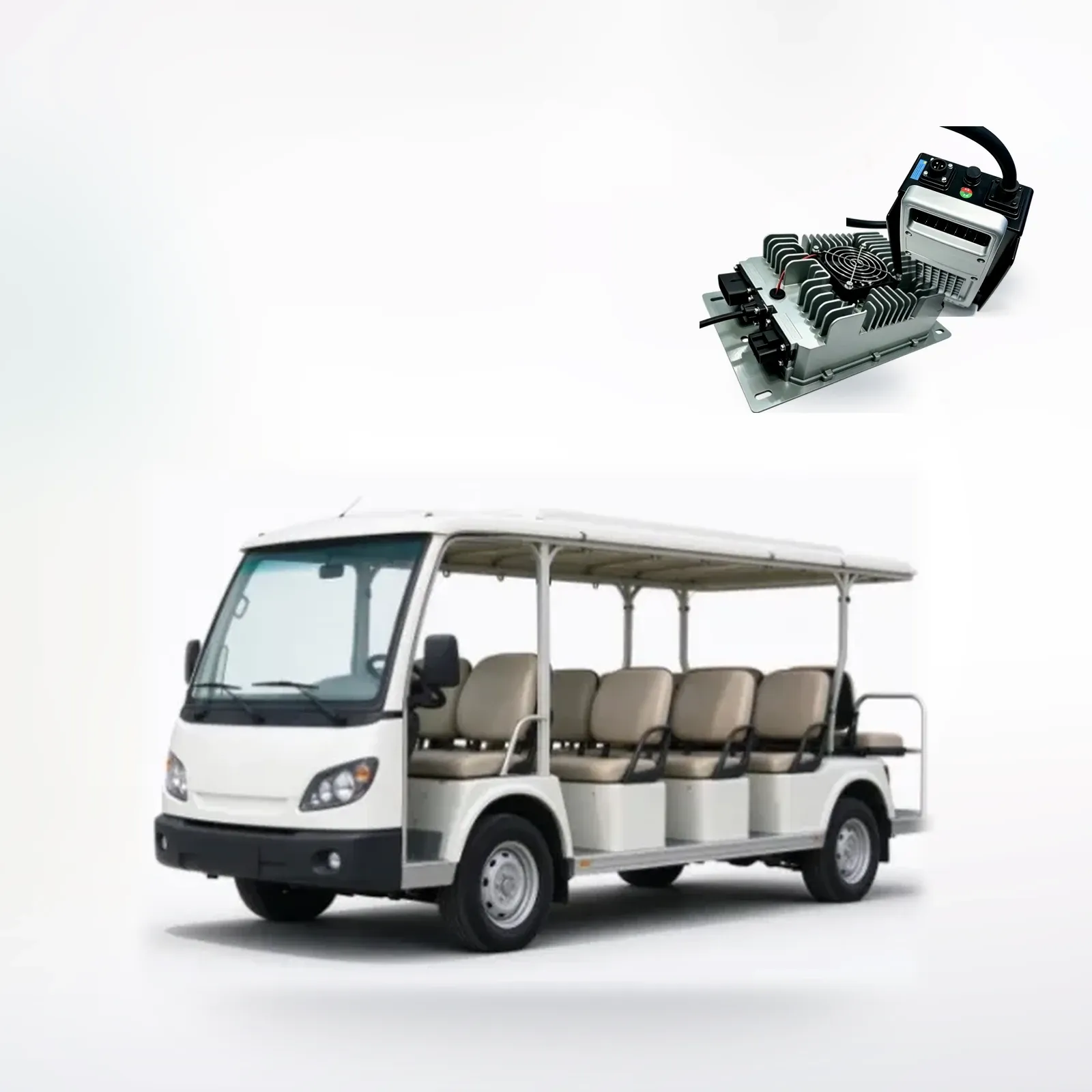
Compact 3.3 kW chargers for 72 V and 96 V low-speed vehicle platforms.
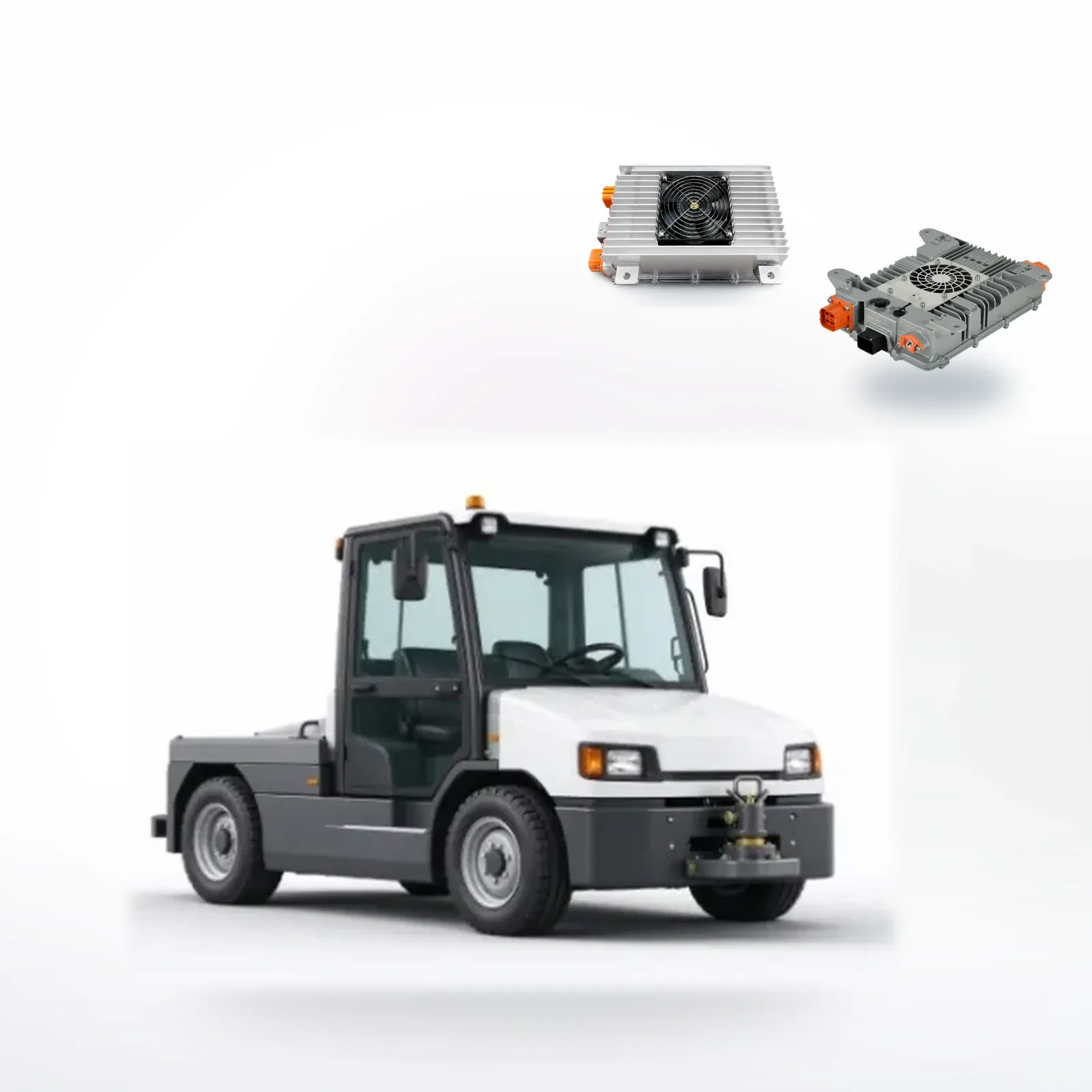
Charging and DC/DC conversion for airport and logistics ground support fleets.
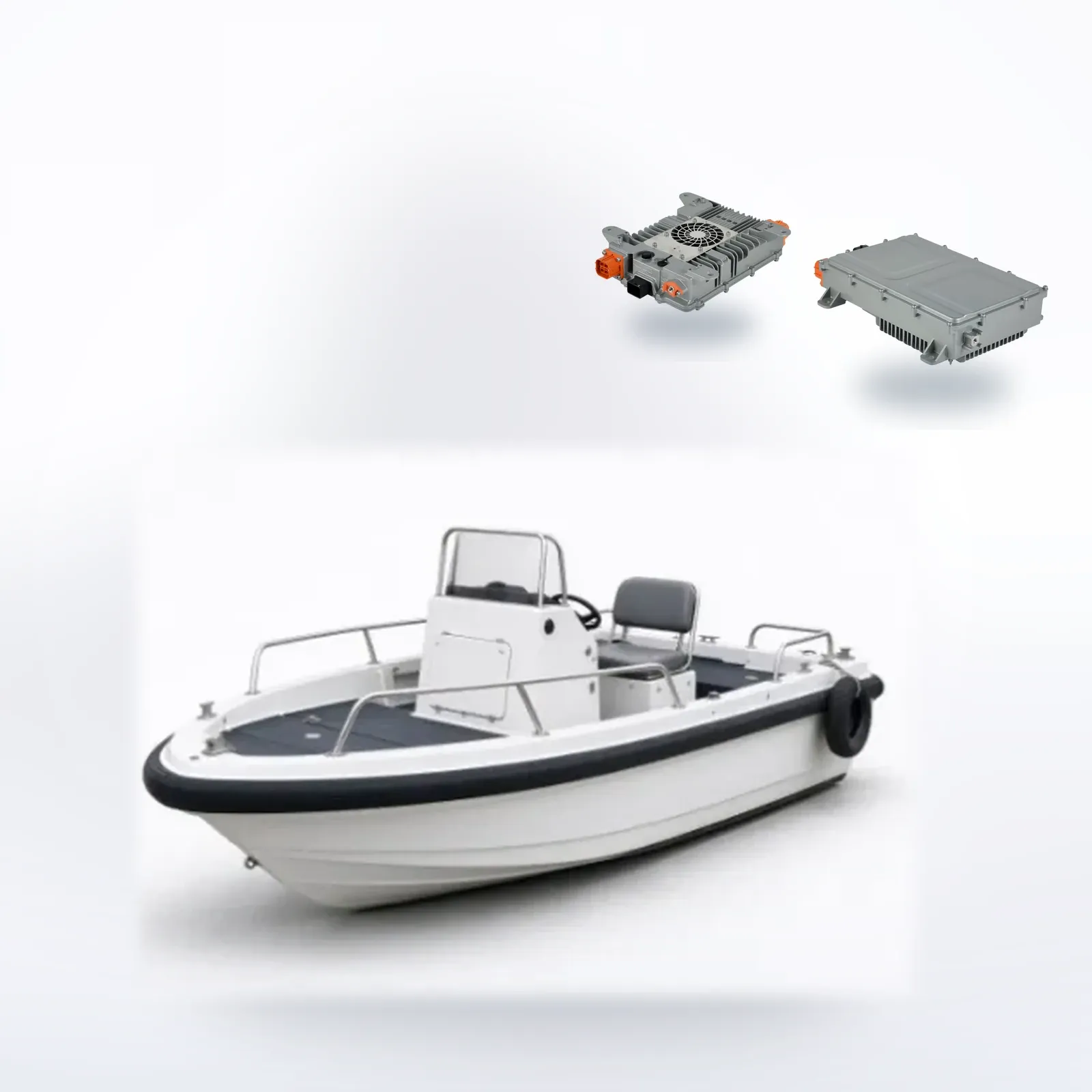
Isolated onboard charging for marine battery banks and auxiliary systems.
OEM / ODM QUESTIONS
Short answers to the questions that come up most often in the first technical call.
Have a specification or a vehicle platform in mind? Send it over and our engineering team will respond with the customization scope and the platform we would recommend.
READY TO START YOUR EV POWER PROJECT?
Custom programmes move fastest when the first message already contains the basics. Include what you can from this list and our engineering team will come back with the customization scope, the platform we would recommend and a realistic timeline.
Chemistry and nominal voltage range.
Required charging power in kW and the AC input available on the vehicle.
Low-voltage DC output and the load it has to carry.
CAN interface, BMS and VCU integration requirements.
Connector preference and pin definition, where these are already fixed.
Target vehicle type, expected annual volume and the date you need units by.