Utility & Delivery EV Charging
Electric Cargo Tricycles Charger
On-board chargers for electric cargo tricycles on 60V-96V platforms, with CAN communication and OEM/ODM customization.
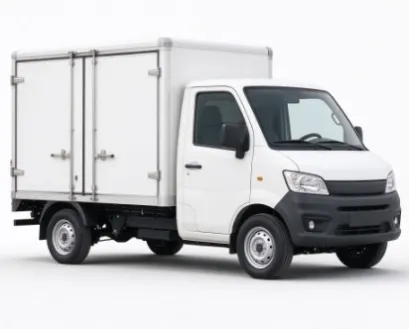
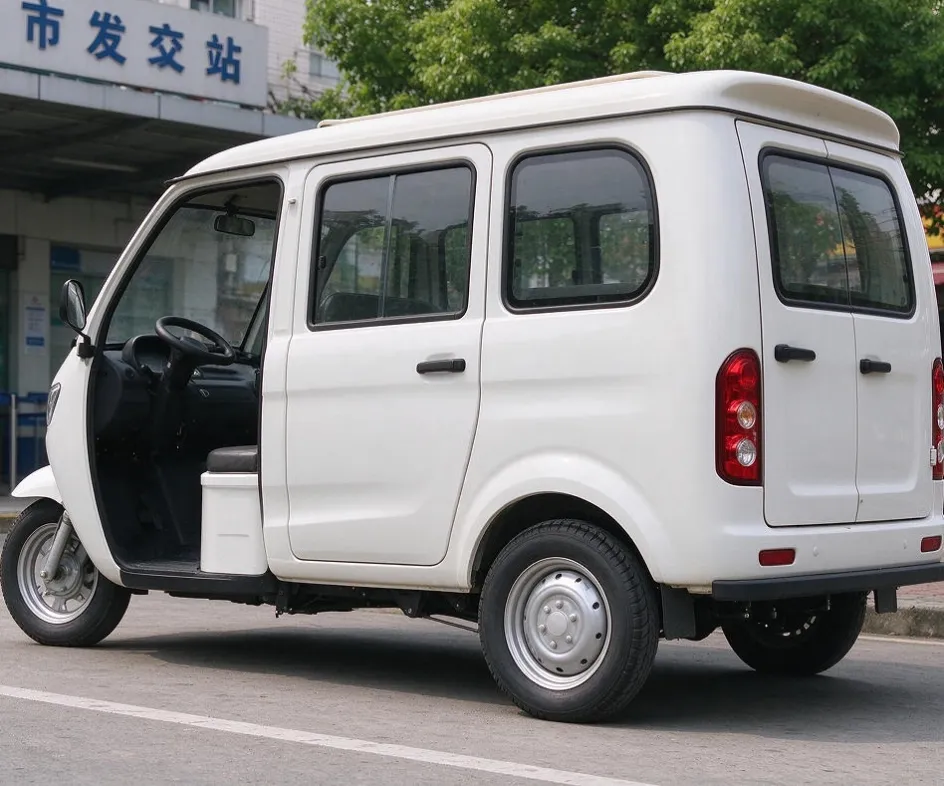
Electric cargo tricycles move goods on the last mile at a fraction of the cost of a van. They run on 60 V to 96 V battery systems, carry up to 1,000 kg, and work long days with short turnaround windows, which makes the on-board charger a working part rather than an accessory.
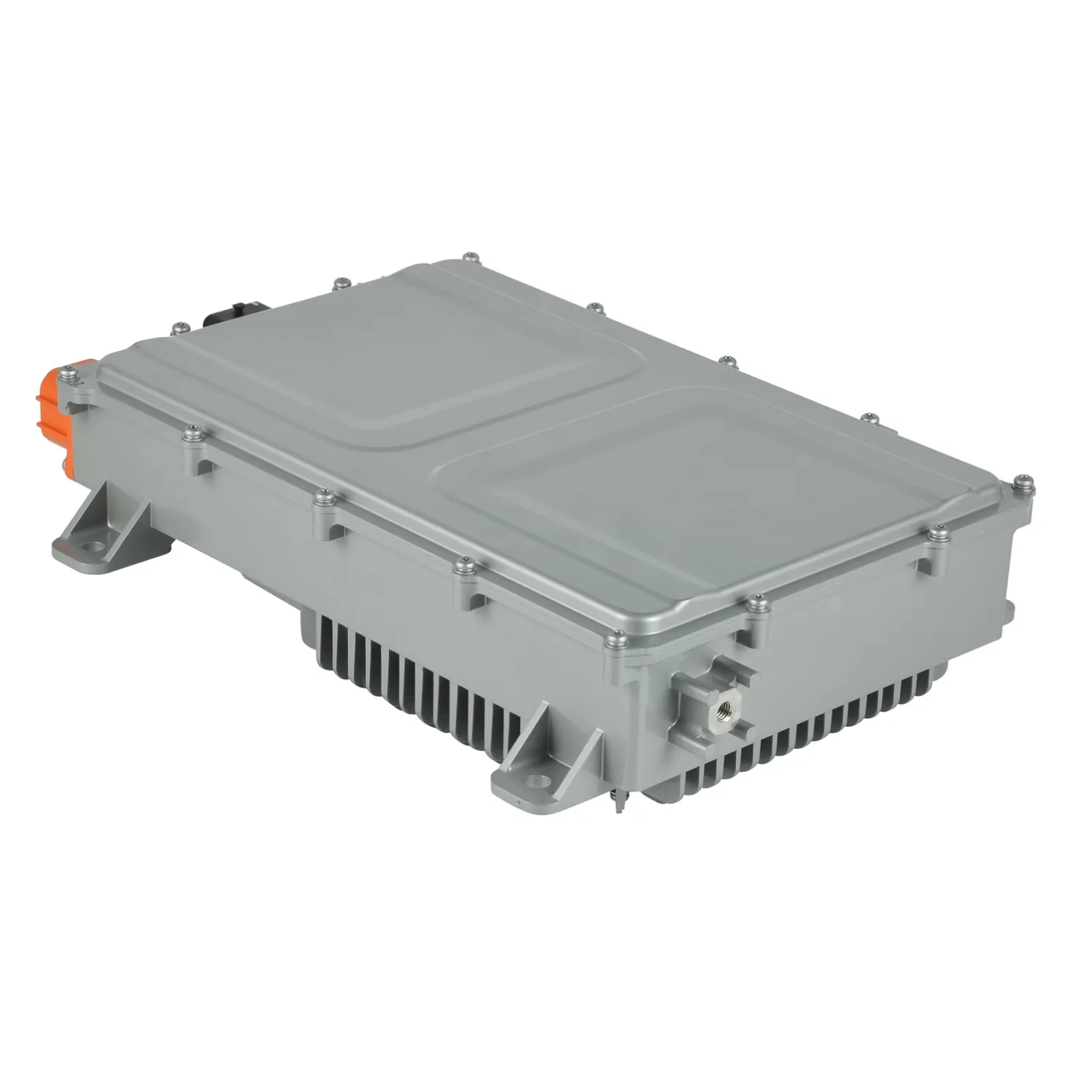
Echelon builds on-board chargers and integrated OBC + DC/DC units for 60 V to 96 V cargo tricycle platforms, such as the 3.3 kW OBC + 1 kW DC/DC 2-in-1.
What an Electric Cargo Tricycle Needs from a Charger
- A voltage window covering the pack's full charge range (60 V, 72 V and 96 V platforms)
- Charge current matched to the BMS limit of the lithium pack
- Charging power matched to the parking window: 1.9 kW to 3.3 kW overnight, 6.6 kW for multi-shift use
- A single-phase 110/220/230 V input tolerant of voltage swings
- A sealed, vibration-tolerant enclosure for unpaved roads
- CAN communication with the BMS and vehicle controller
Choosing the Charging Power
- 1.9 kW - a portable or on-board unit that works from any household outlet
- 3.3 kW - the standard for 72 V and 96 V tricycles on a single overnight charge
- 6.6 kW - multi-shift or high-utilisation operations with a short charging window
FAQ
What voltage do electric cargo tricycles use?
Most run 60 V, 72 V or 96 V systems; the charger's output window must cover the pack's full charge voltage, not just nominal.
Can the charger work from a standard household outlet?
Yes - 1.9 kW and 3.3 kW units run on the single-phase 110/220/230 V supplies common at depots and market stalls.
Does a cargo tricycle charger need CAN communication?
For lithium packs, yes - CAN links the charger to the BMS and vehicle controller for status and fault reporting.