Applications
Electric Construction Vehicles Charger
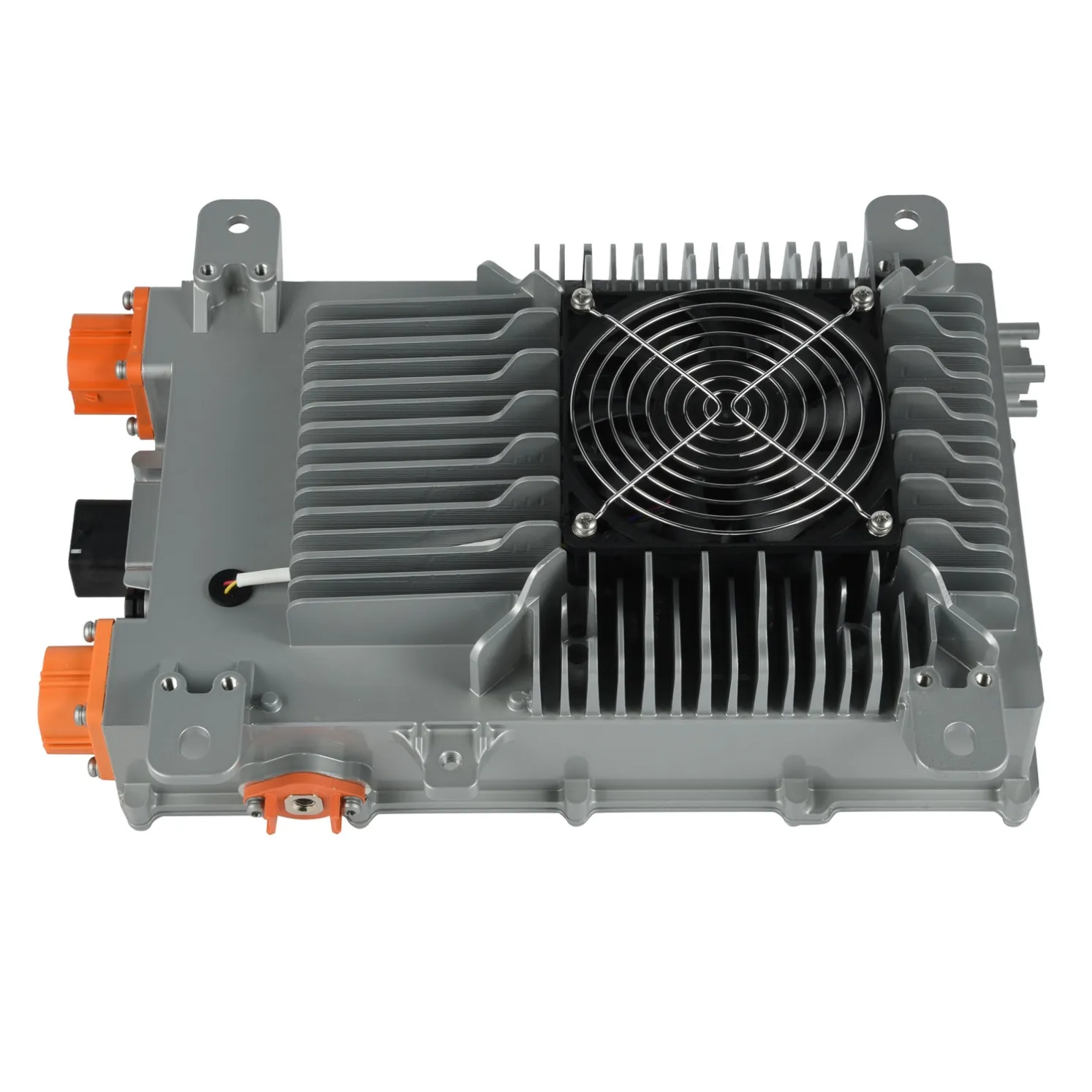
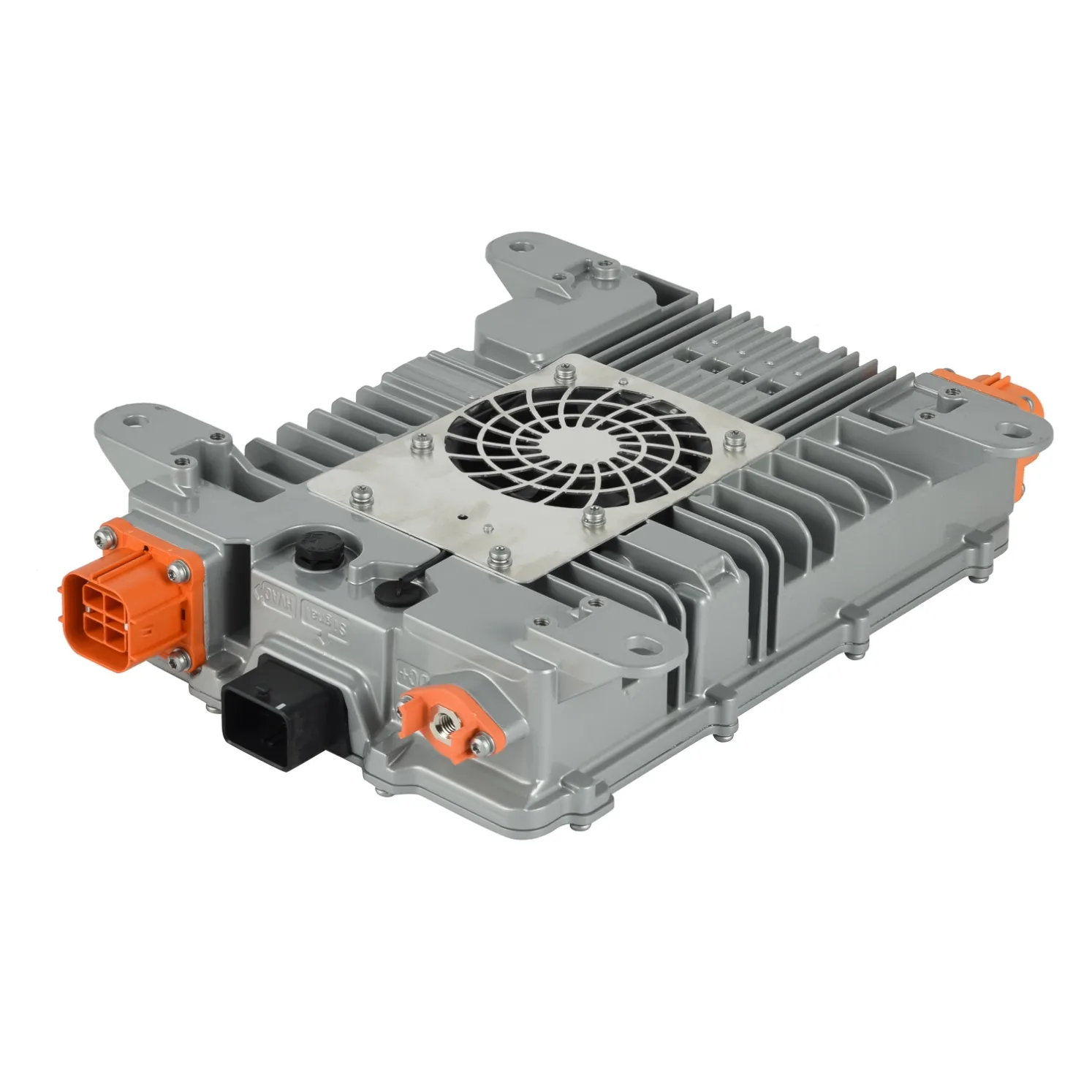
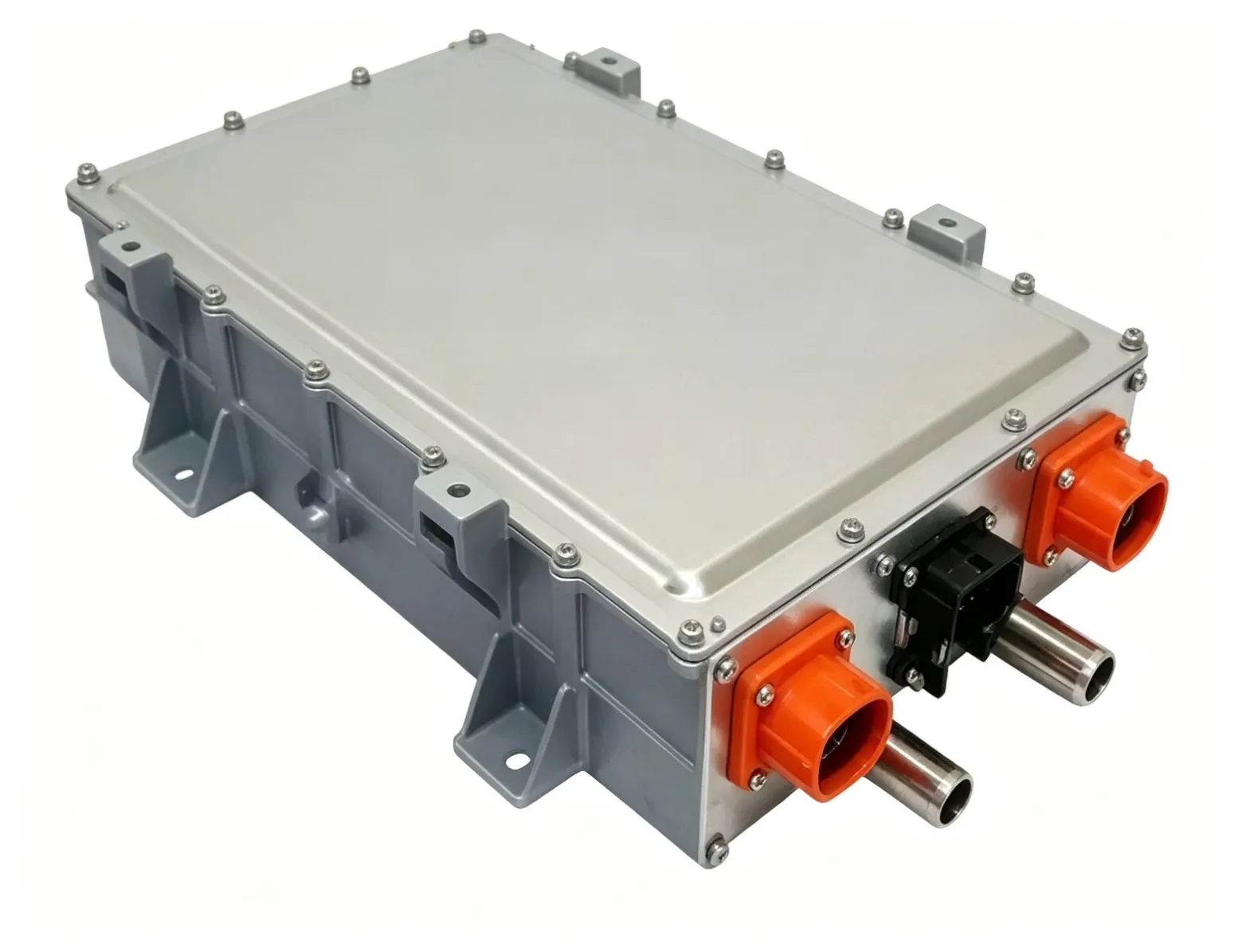
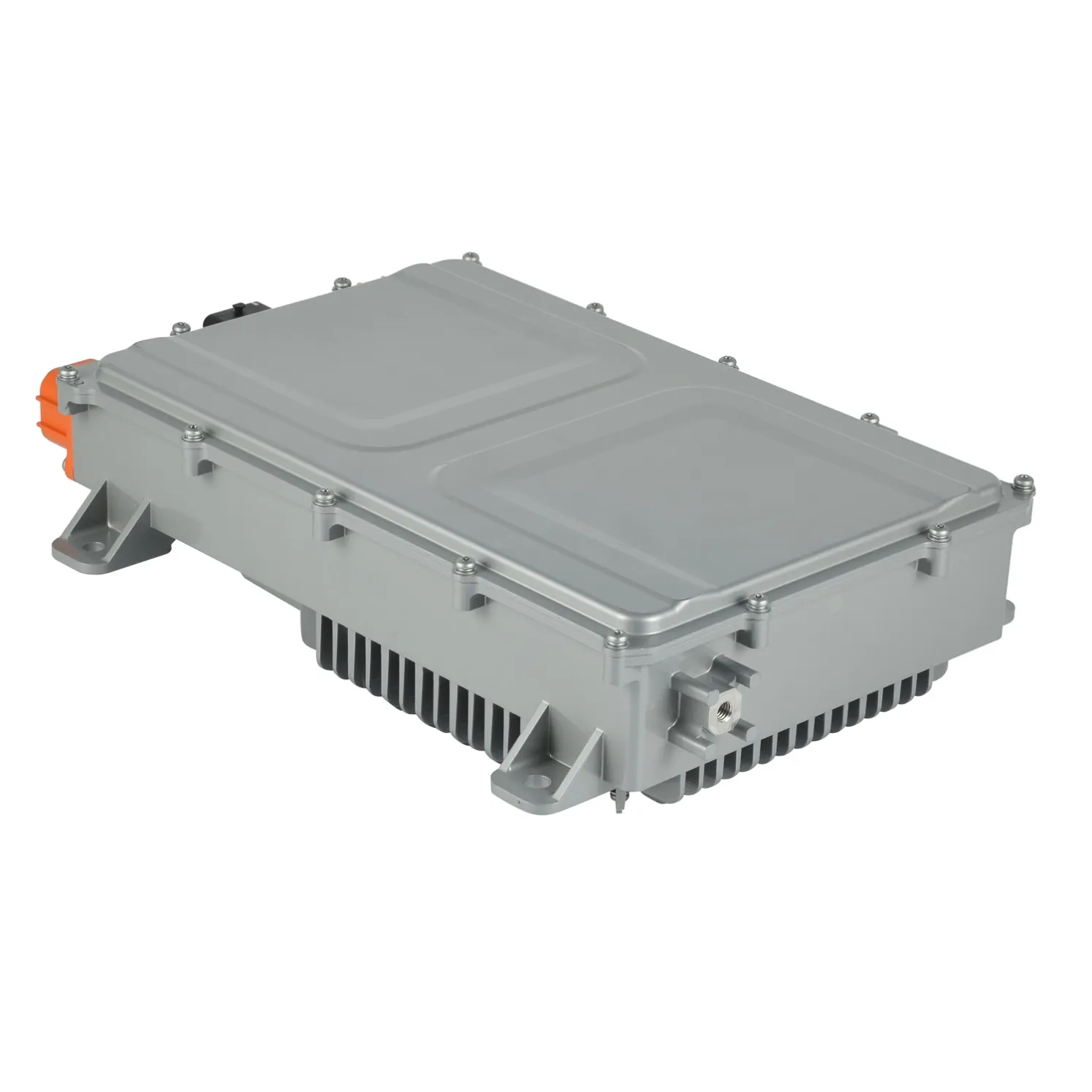
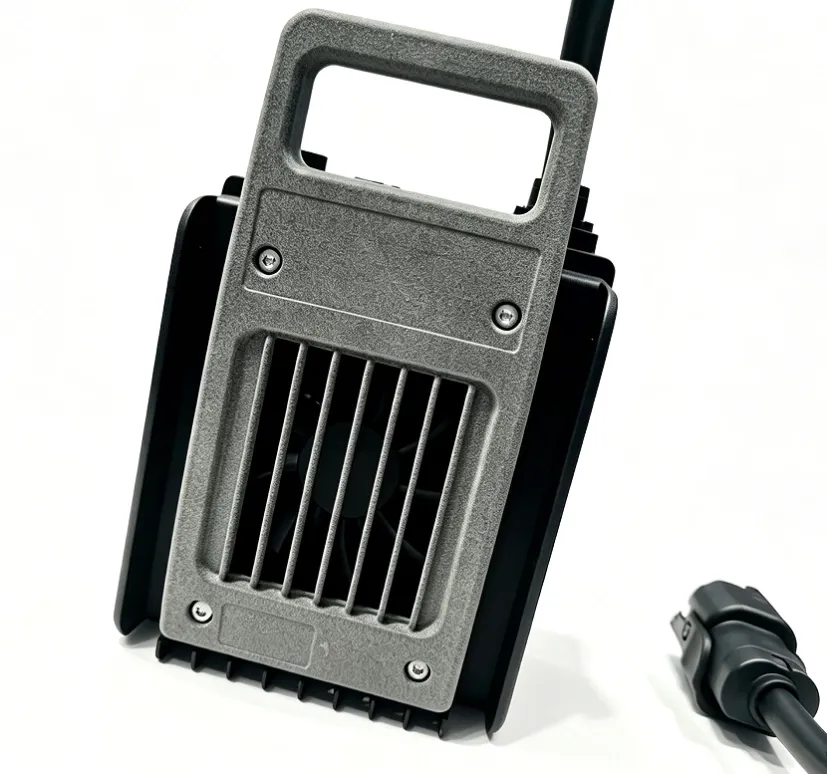
On-board chargers for electric excavators, wheel loaders and construction platforms. 6.6 kW to 11 kW, 250-450 V DC output, IP67, CAN bus.
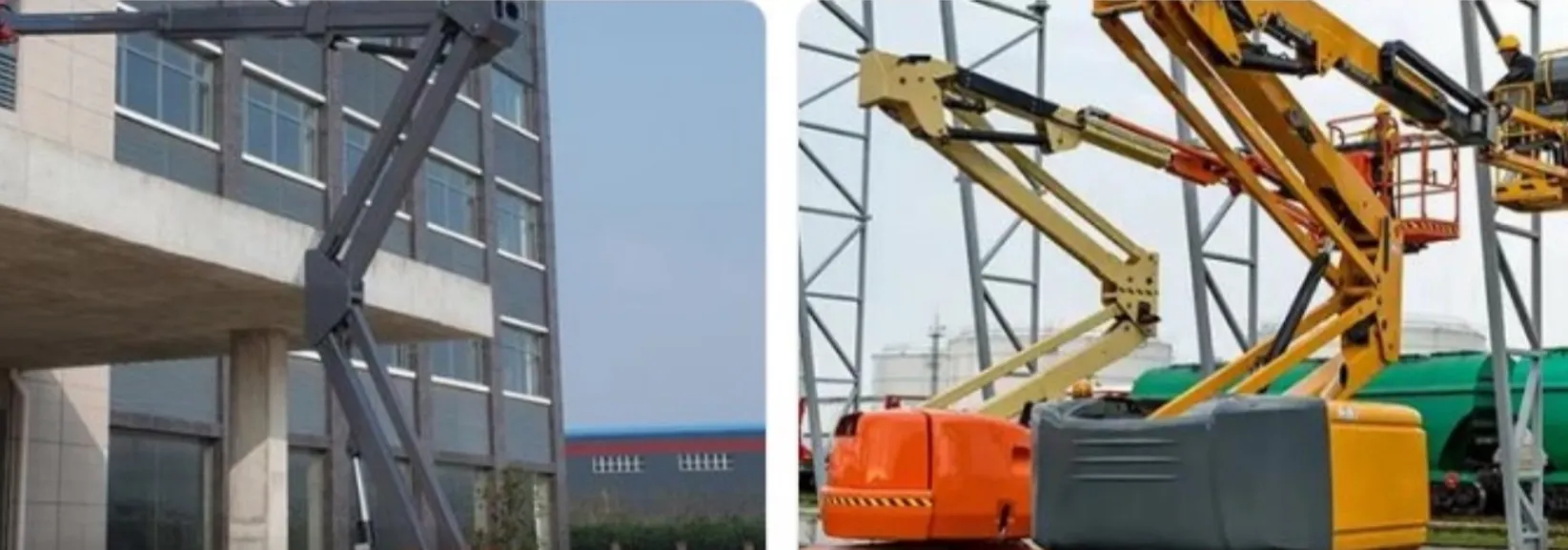
Electric excavators, wheel loaders, telehandlers and other construction machines are moving from diesel to electric drive. The change is driven less by the vehicle itself than by site rules: low-emission and low-noise requirements in urban projects, and the cost of running diesel equipment inside tunnels, basements and enclosed sites.
For an OEM building that machine, the on-board charger has to survive conditions that a road vehicle never sees. High vibration from the working attachment, abrasive dust, pressure washing, and wide ambient temperature swings all act on the same enclosure that must also meet the vehicle's voltage window.
Why Construction Equipment Is Moving to Electric
Site emission and noise rules
Urban construction sites increasingly restrict diesel machinery for air quality and noise reasons. Electric drive removes tailpipe emissions at the work face and cuts noise, which allows work in basements, tunnels and night-shift urban projects where diesel equipment is not permitted.
Lower cost per operating hour
Diesel consumption is one of the largest running costs for site machinery. Electric drive replaces it with grid electricity, and removes the engine service items that come with it. For machines that work a fixed shift pattern, the saving compounds across the fleet.
Charging fits the shift, not the road
Construction machines often return to the same depot or site compound every day. That makes overnight or between-shift charging predictable, and lets the depot plan the charger around the shift schedule rather than around public charging infrastructure.
What an Electric Construction Vehicle Needs from a Charger
- Vibration tolerance to automotive standards, because the working attachment transmits shock loads into every mounted component
- IP67 sealing, because washdown, dust and standing water are routine on site
- An operating range that covers cold mornings and hot site conditions, typically -40 C to +55 C
- A DC output window covering the pack's full charge range, not just nominal voltage
- CAN communication with the BMS, so charging current is negotiated against pack temperature and state of charge
- An integrated DC/DC stage where the machine needs a 12 V or 24 V rail for controllers, lighting and sensors
Charging Architecture for 250-450 V Construction Platforms
Construction machines commonly run 250-450 V DC packs. The 6.6 kW OBC + 1.5 kW DC-DC 2-in-1 with the 320 V variant covers 240-480 Vdc output, accepts 90-264 Vac input on a single phase, and is rated IP67 with automotive vibration resistance. That combination matches the typical construction platform requirement without a power-stage redesign.
For machines needing a three-phase supply or on-site power export, the 11 kW bidirectional unit covers 200-470 Vdc output and adds V2L capability.
Choosing the Charging Power
- 3.3 kW - small machines with 10-20 kWh packs, charging overnight from a standard outlet
- 6.6 kW - the standard fit for most electric construction platforms, where a 40-60 kWh pack must refill inside a single shift break or overnight window
- 11 kW - larger machines and multi-shift duty, where the pack must return to full between shifts on a three-phase supply
Confirm the site supply before fixing the rating. A 6.6 kW charger rated at 220 Vac delivers roughly 6.0 kW at 200 Vac and 3.3 kW at 110 Vac. If the site provides only a single-phase 200-240 V supply, verify the available input current against the charger's AC current limit before committing to the rating.
FAQ
What charger suits an electric excavator on a 250-450 V battery?
The 6.6 kW OBC + 1.5 kW DC-DC 2-in-1 in the 320 V variant covers 240-480 Vdc output, which brackets a 250-450 V pack's full charge range. It accepts single-phase 90-264 Vac input and is IP67 rated.
Can the charger run from a single-phase 200 V site supply?
Yes, the AC input range starts at 90 Vac. Note that output power follows the AC input: the unit delivers 6600 W at 220 Vac, approximately 6000 W at 200 Vac, and 3300 W at 110 Vac. Confirm the site's available input current before specifying the rating.
Which documents can be supplied for integration?
Pin definition tables, the power sequence description, CAN matrix or DBC file, 3D CAD models and HV connector assembly instructions can be provided for a specific model variant so that the harness and mechanical teams can work from the same definitions.
Does the charger need a separate DC-DC converter for hydraulics and controls?
Not if the machine uses the 2-in-1 unit. The integrated stage supplies a 9-16 Vdc rail at 110 A rated and 132 A peak, 1500 W rated, which covers controllers, lighting, sensors and telematics without a second converter.
Send Us Your Construction Programme for Review
To confirm whether a standard unit covers the machine, we need five inputs: the pack's full charge voltage range, pack capacity in kWh, the available AC supply at the site including input current, the auxiliary load in watts, and the mounting envelope with its cooling arrangement.
For programmes already in prototype, we can supply the mating connector and pin definition, 3D CAD models and the operation manual for the specific model variant so the harness and mechanical design can proceed in parallel with the electrical review.
About Echelon Charger
Echelon Energy Technology specializes in onboard chargers, DC/DC converters, and integrated EV power solutions for commercial and specialty electric vehicles.
For technical discussions, product selection, or OEM/ODM cooperation:
Email: nancy@tici-energy.com
WhatsApp: +86 18114665311