Applications
EWP Charger: On-Board Chargers for Elevated Work Platforms
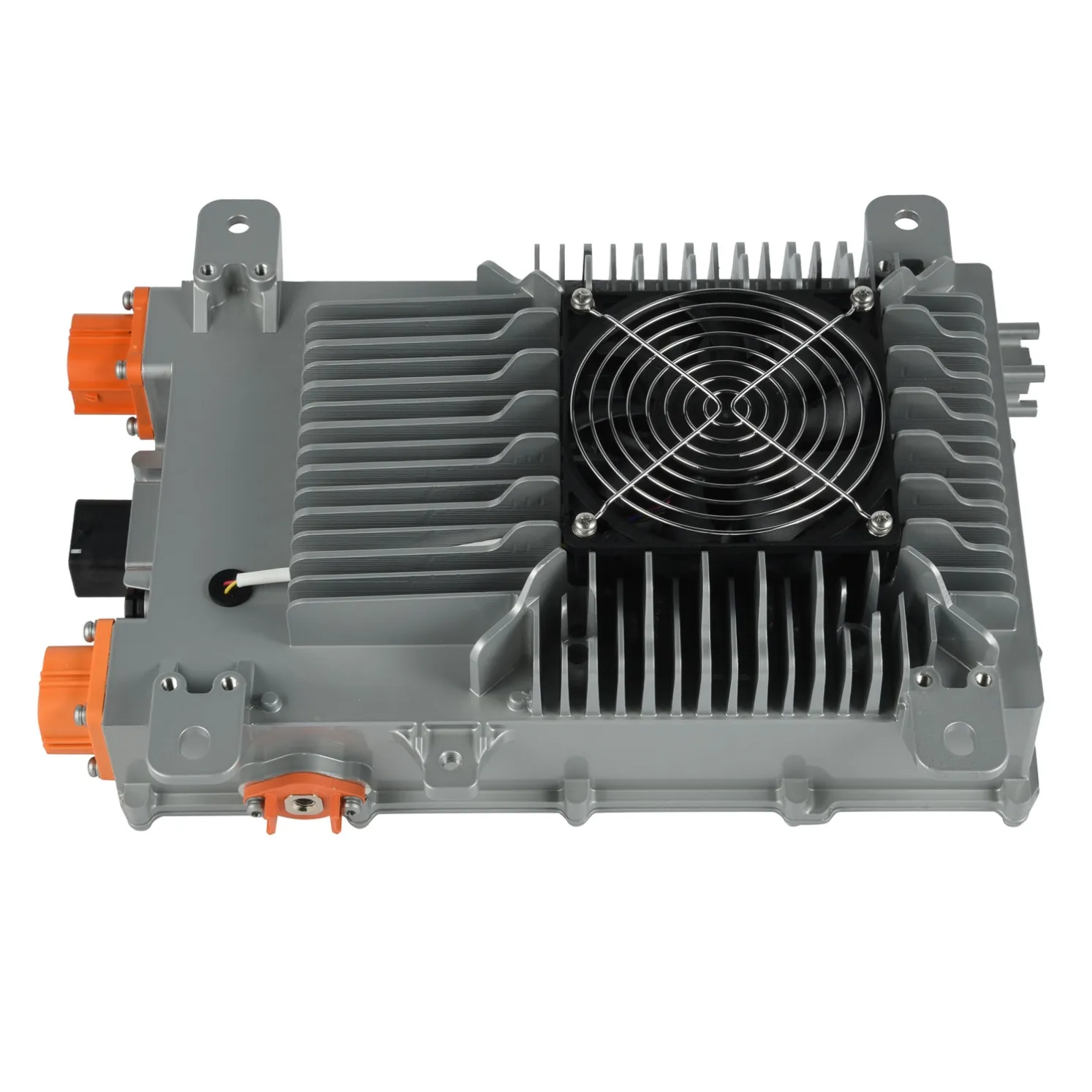
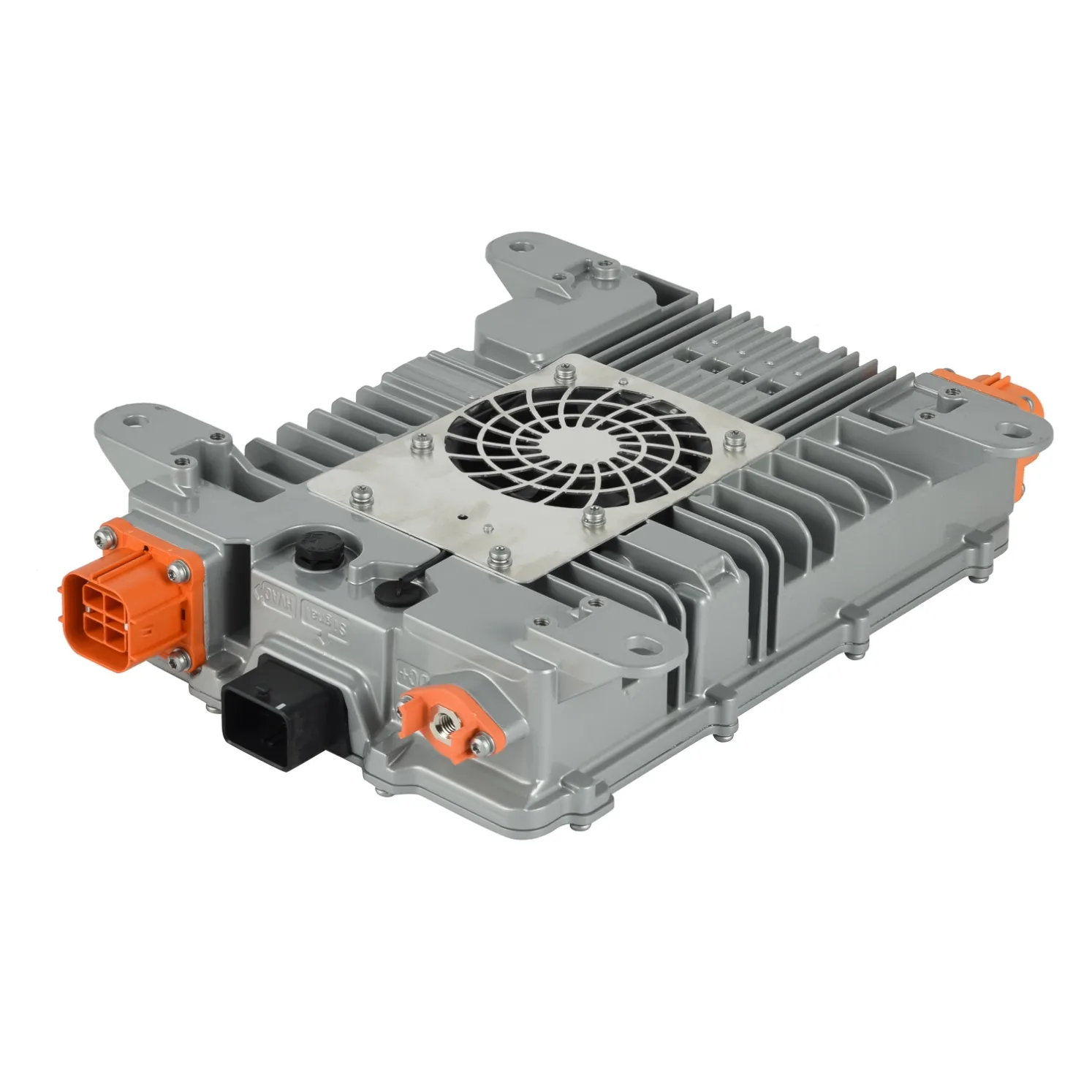
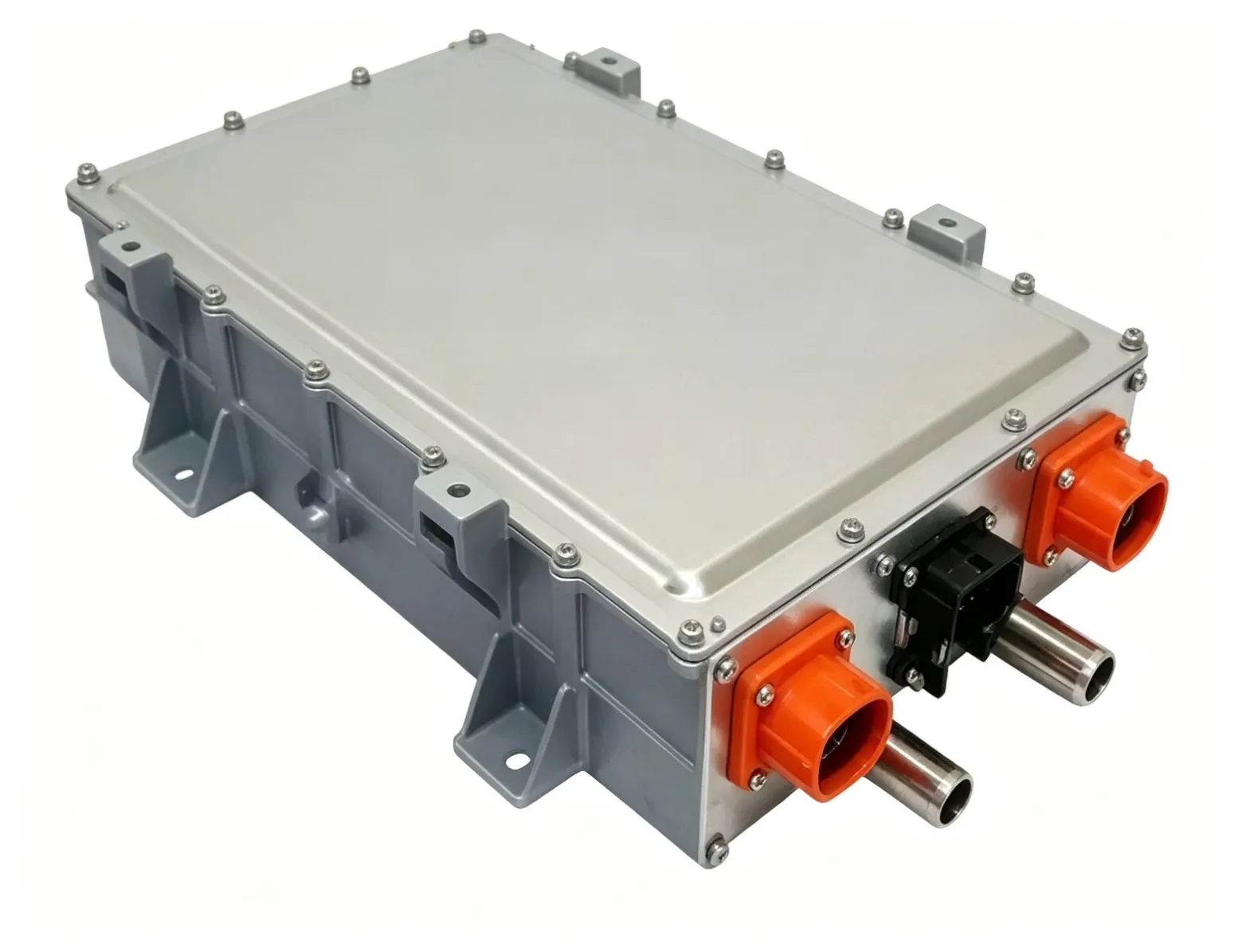
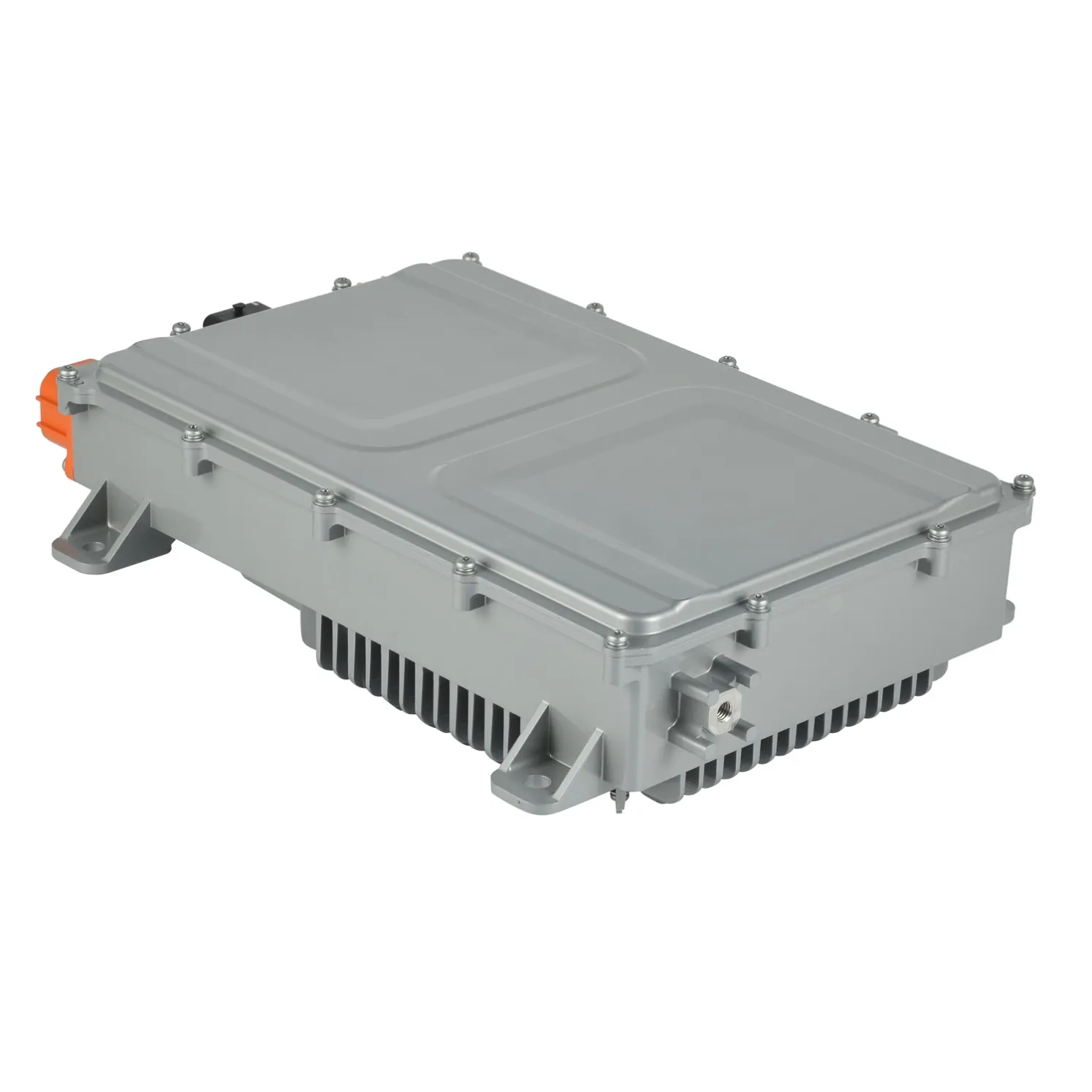
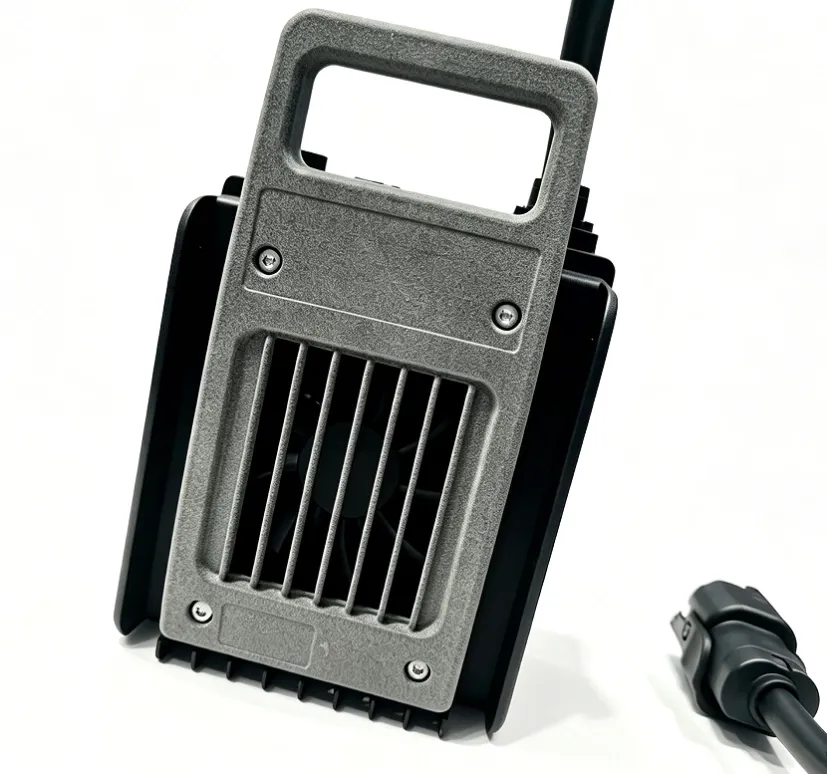
On-board chargers for EWP, MEWP and AWP: scissor lifts, boom lifts and vertical mast platforms. 48 V to 320 V, IP67, lead-acid and lithium profiles.
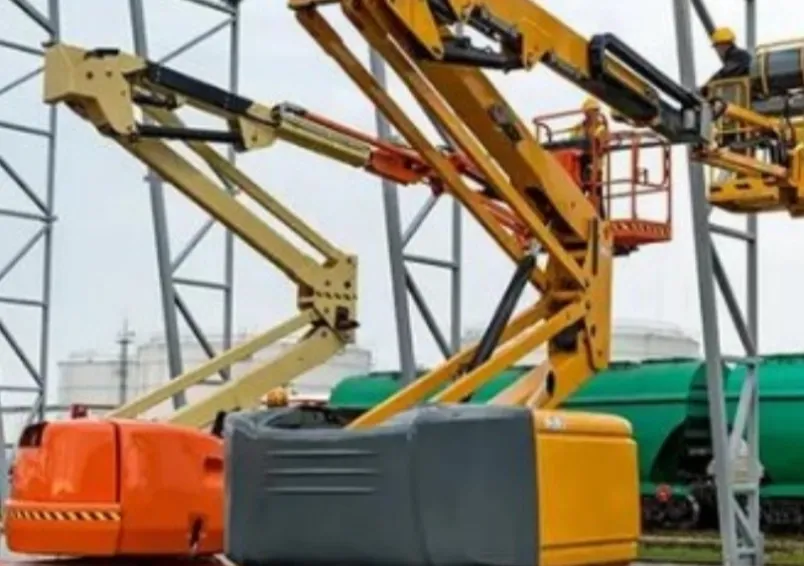
Electric elevated work platforms - scissor lifts, articulating and telescopic boom lifts, and vertical mast platforms - are known as EWP in Australia and Asia, MEWP in Europe, and AWP in North America. Whatever the regional name, the charging requirement is the same: the machine has to return to full charge inside the operating window without adding weight or service complexity.
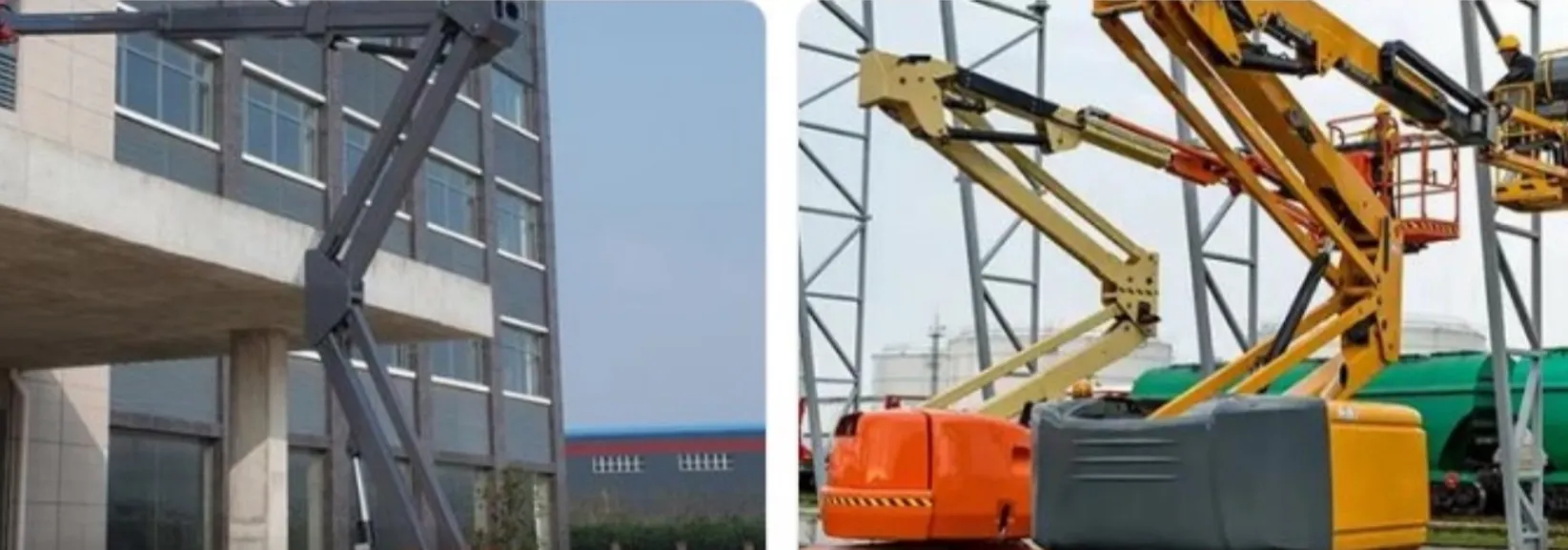
The charger matters more on an EWP than on most vehicles. The battery is the single largest cost component of an electric lift, rental fleets are judged on uptime, and many older machines still run lead-acid packs that need a specific charge profile. A charger that is simply compatible with the voltage is not enough.
Why Charger Choice Matters More on an EWP
The battery is the largest single cost
On an electric scissor or boom lift, the battery pack represents the biggest line in the bill of materials. Charge quality directly affects how many cycles that pack delivers, so the charger is effectively a battery-life decision rather than an accessory.
Rental fleets are judged on uptime
A lift that arrives on site with a partly charged battery costs the rental operator a machine-day. Chargers that respect the pack's temperature limits and report faults over CAN let the fleet team catch a failing unit before it fails on a customer site.
Lead-acid and lithium share the same fleet
Many working MEWP fleets still run lead-acid packs while new machines arrive with lithium. A charger family that supports both chemistries lets an operator standardise charging across a mixed fleet instead of maintaining two service regimes.
What an EWP Needs from a Charger
- Low weight, because platform lifts are designed to tight floor-loading limits and every kilogram reduces payload
- IP67 sealing, because outdoor sites, washdown and standing water are normal operating conditions
- A charge profile for the pack chemistry actually fitted, whether lead-acid or lithium
- CAN communication with the BMS so charging current follows pack temperature and state of charge
- An operating range that covers cold outdoor storage and hot site conditions
- An integrated DC/DC stage where the platform needs a 12 V or 24 V rail for controls, lighting and telematics
Charging Power for Scissor Lifts and Boom Lifts
- 1.5 kW - compact scissor lifts and vertical mast platforms on 48 V or 72 V packs with small capacities
- 3.3 kW - the common fit for mid-size scissor and boom lifts on 72 V or 96 V packs, charging overnight or between shifts
- 6.6 kW - larger boom lifts and multi-shift rental fleets, where the pack must return to full inside a shorter window
- 11 kW - high-utilisation fleets and platforms that also export power on site
Confirm the platform's DC voltage window rather than the nominal voltage. A 72 V pack commonly spans 50-105 Vdc and a 96 V pack spans 64-128 Vdc; the charger output must cover the whole range or the pack will not reach full charge.
Opportunity Charging on Site
Many lifts are charged between jobs rather than only overnight, from whatever single-phase supply the site provides. That pattern puts two requirements on the charger: it has to tolerate a wide AC input range, and it has to accept a partial charge cycle without degrading the pack.
A charger rated at 6.6 kW delivers full output at 220 Vac and roughly half that at 110 Vac. Where sites vary, matching the charger to the lowest supply the fleet expects avoids repeated underperformance.
FAQ
What is the difference between EWP, MEWP and AWP?
They describe the same category of machine. EWP (Elevated Work Platform) is the term used in Australia, New Zealand and much of Asia; MEWP (Mobile Elevating Work Platform) is used in Europe; AWP (Aerial Work Platform) is used in North America. The charging requirement does not change with the naming convention.
Which charger suits a 72 V or 96 V scissor lift?
The 3.3 kW OBC + 1 kW DC-DC 2-in-1 covers 72 V platforms at 50-105 Vdc and 96 V platforms at 64-128 Vdc, with a 1 kW auxiliary rail at 14 V and 72 A. It is IP67 rated and uses forced air cooling.
Can one charger serve a fleet with both lead-acid and lithium packs?
Only if the charge profile can be configured per pack type. Confirm this against the specific model variant before standardising a mixed fleet on one charger, because lead-acid and lithium require different termination behaviour.
Does the charger add significant weight to the platform?
Weight is a design constraint on lifts because it reduces payload. The 2-in-1 format removes a separate DC-DC converter and its harness, which usually offsets part of the charger's own mass. Confirm the unit mass against the platform's weight budget during the integration review.
Send Us Your EWP Programme for Review
To confirm whether a standard unit covers the platform, we need the pack chemistry and full charge voltage range, pack capacity, the site AC supply including input current, the auxiliary load in watts, the platform's weight budget, and the mounting envelope with its cooling arrangement.
For prototype programmes we can supply pin definition tables, 3D CAD models, the CAN matrix or DBC file, and the operation manual for the specific variant, so the harness and mechanical teams can proceed in parallel with the electrical review.
About Echelon Charger
Echelon Energy Technology specializes in onboard chargers, DC/DC converters, and integrated EV power solutions for commercial and specialty electric vehicles.
For technical discussions, product selection, or OEM/ODM cooperation:
Email: nancy@tici-energy.com
WhatsApp: +86 18114665311