Utility & Delivery EV Charging
Autonomous Logistics Vehicles Charger
CAN-controlled on-board chargers for autonomous logistics vehicles, AGVs and delivery robots, with fault reporting and OEM/ODM customization.
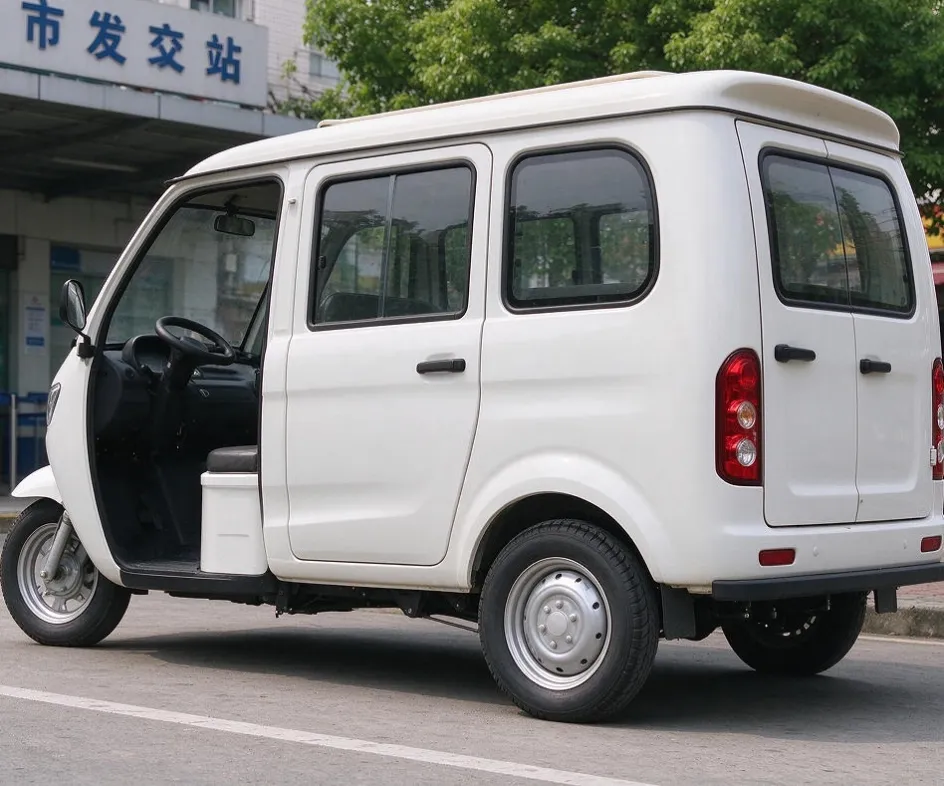
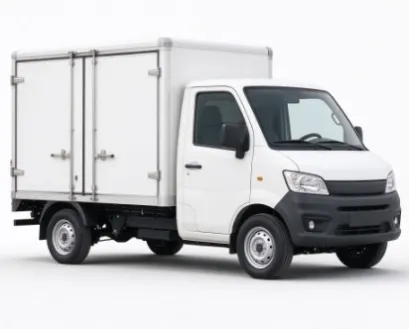
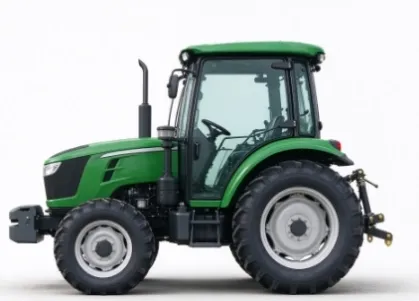
Autonomous logistics vehicles - delivery robots, automated guided vehicles (AGVs), autonomous tow tractors and material handlers - charge without human intervention. The vehicle docks on its own, initiates charging, and resumes work, which turns the charger from a passive part into a controlled subsystem.
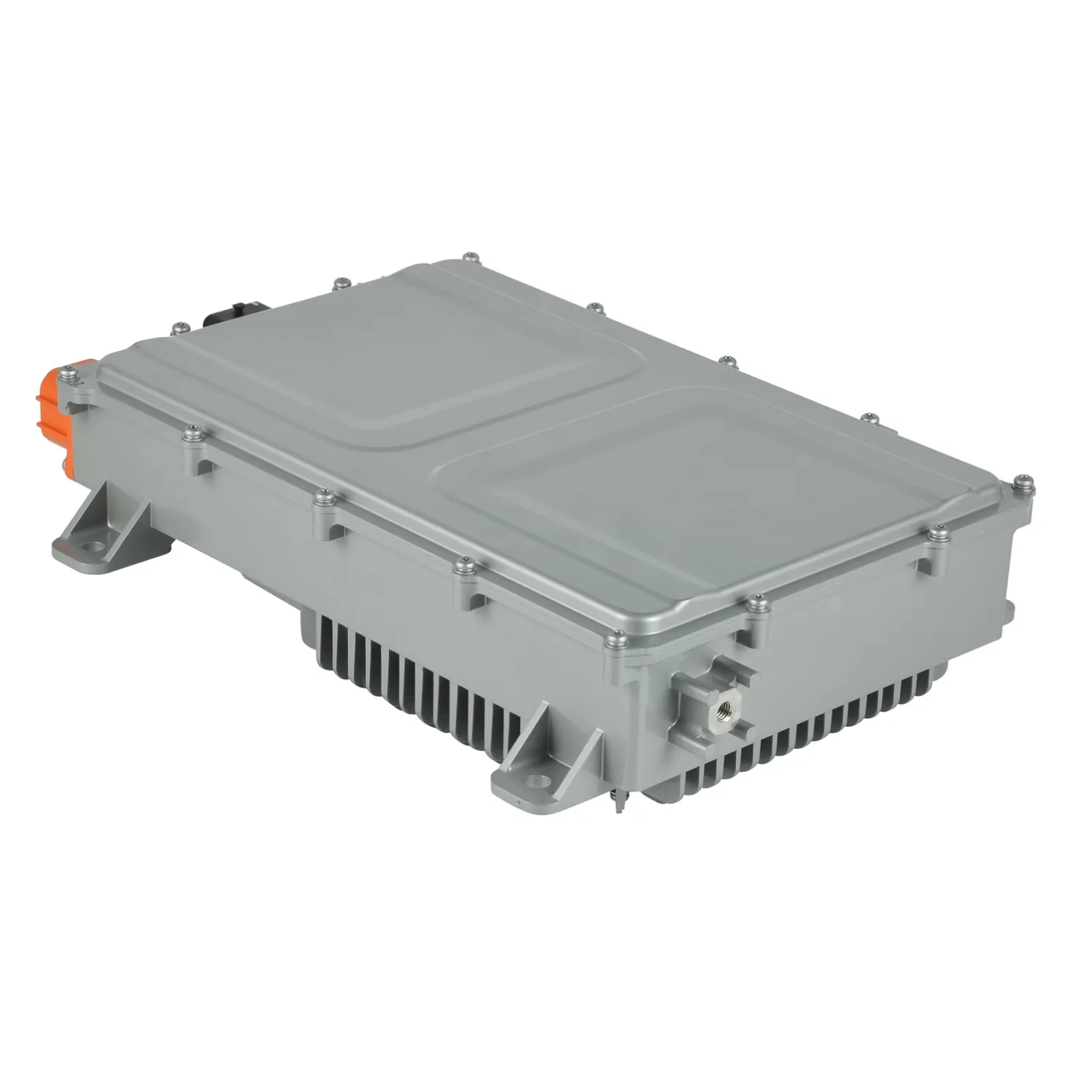
Echelon builds CAN-controlled on-board chargers and integrated OBC + DC/DC units for these platforms, such as the 6.6 kW OBC + 1.5 kW DC/DC 2-in-1.
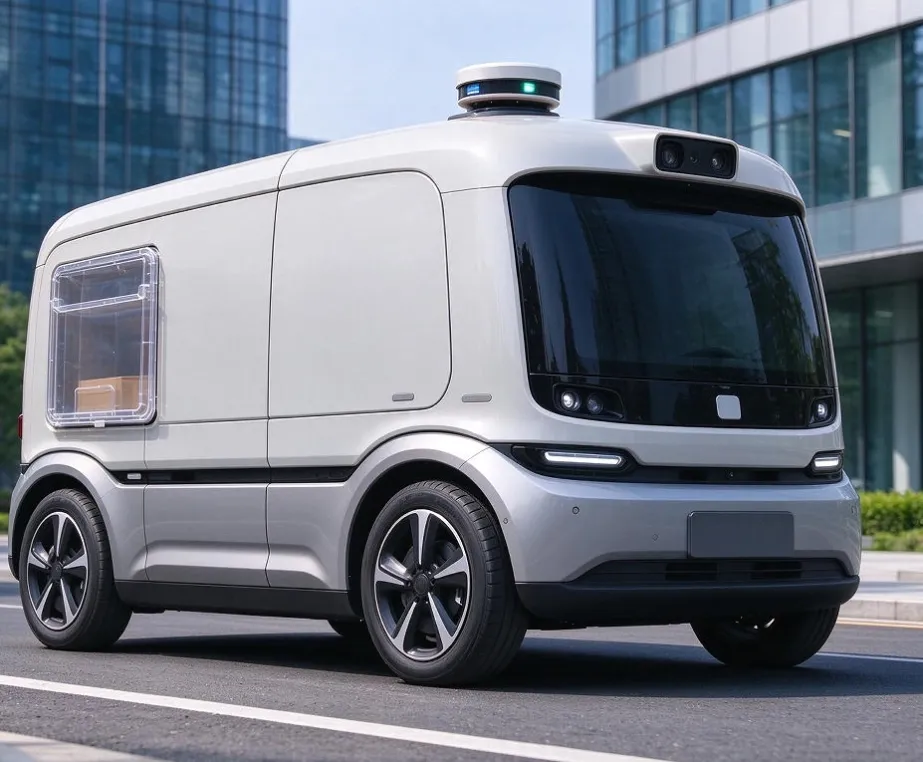
What an Autonomous Logistics Vehicle Needs from a Charger
- CAN control and telemetry - enable, setpoint, status and fault reporting matching the controller protocol
- Charging power sized to the energy used per task cycle, not to overnight charging
- Compact, sealed packaging for small, often outdoor-exposed vehicles
- A 12 V or 24 V DC/DC output for control electronics, sensors and actuators
- Reliability under frequent, short charge cycles
- A charging fault report the vehicle controller can act on
Choosing the Charging Power
- 3.3 kW - compact delivery robots and small AGVs
- 6.6 kW - larger autonomous vehicles on 96 V to 320 V platforms
- 11 kW - high-throughput shuttles and tow tractors with very short docking windows
FAQ
Can the charger work with no operator present?
Yes - CAN control lets the vehicle controller start, stop and monitor charging automatically after docking, with no manual step.
How does the charger report faults?
It reports charging status and fault conditions over CAN, so the vehicle controller and fleet system can react without an operator.
What charging power suits an AGV?
Size the charger to the energy each task cycle uses and the docking window available - often 3.3 kW to 6.6 kW rather than overnight rates.