Utility & Delivery EV Charging
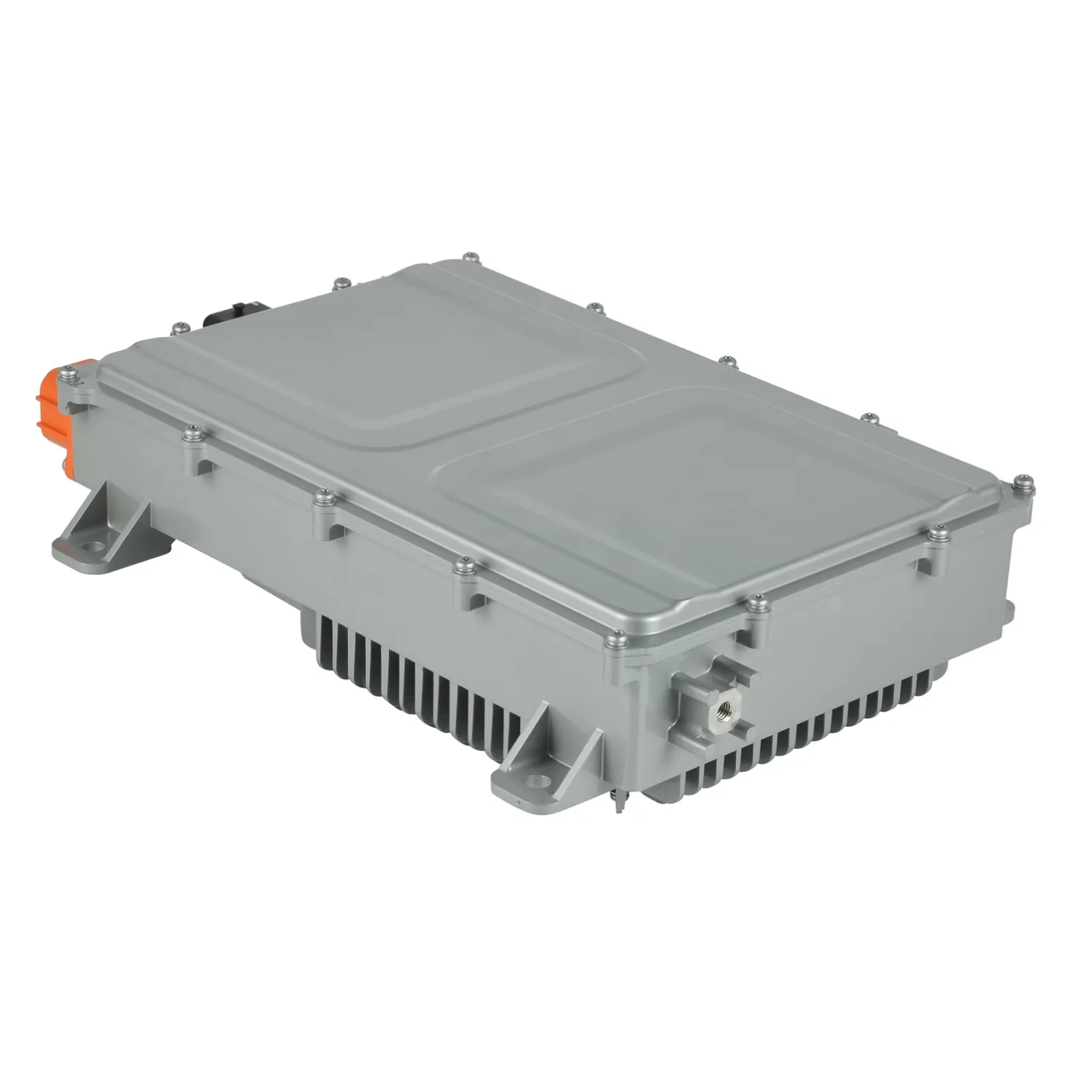
Ground Support Equipment Charger
On-board chargers for airport ground support equipment on 48V-320V platforms, with IP-rated sealing, vibration tolerance and OEM/ODM customization.
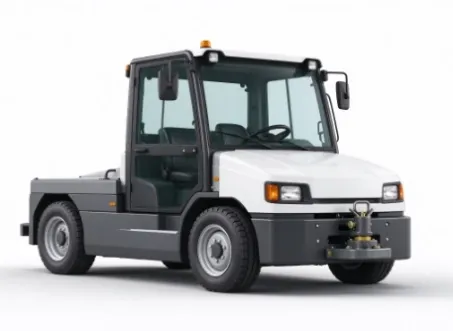
Airport ground support equipment - baggage tractors, pushback tugs, belt loaders and catering trucks - works to a schedule and stops earning when it is not charged. The apron adds vibration, temperature extremes, dust and de-icing fluid, which makes the on-board charger a reliability component rather than a commodity part.
Echelon builds on-board chargers and integrated OBC + DC/DC units for 48 V to 320 V GSE platforms, such as the 6.6 kW OBC + 1.5 kW DC/DC 2-in-1.
What Airport GSE Needs from a Charger
- Charging power matched to the shift or turnaround window, not to the next morning
- A voltage window covering the full charge range of the 48 V to 320 V platform
- Sealing (IP67 or better) for apron washdown and de-icing fluid
- Vibration and thermal tolerance validated for continuous apron duty
- CAN communication with the GSE controller
- A 12 V or 24 V DC/DC output for controls and lighting
Choosing the Charging Power
- 3.3 kW - smaller GSE units and overnight depot charging
- 6.6 kW - the core unit for 96 V to 320 V GSE, fast enough for shift turnaround
- 11 kW - two- or three-shift operation where the charging window is very short
FAQ
What voltage do airport GSE vehicles use?
Many GSE units run 48 V to 96 V, while larger tow tractors move to 320 V - confirm the charger's output window covers the full charge range.
How does a GSE charger handle apron conditions?
A sealed IP-rated enclosure and vibration-tested construction protect against washdown, de-icing fluid, dust and constant apron vibration.
Can the charger report status to the GSE controller?
Yes - CAN communication lets the charger report charging status and faults to the vehicle controller and fleet system.