Utility & Delivery EV Charging
Motorhomes & RVs Charger
On-board chargers for electric and hybrid motorhomes and camper vans on 96V-320V platforms, with high auxiliary DC/DC output and OEM/ODM customization.
Electric and hybrid motorhomes and camper vans carry large battery banks - for traction and for house loads - and charge wherever they stop: campsites, shore power hook-ups and, increasingly, DC fast charging. That brings three challenges: high capacity, mixed loads and a range of input supplies.
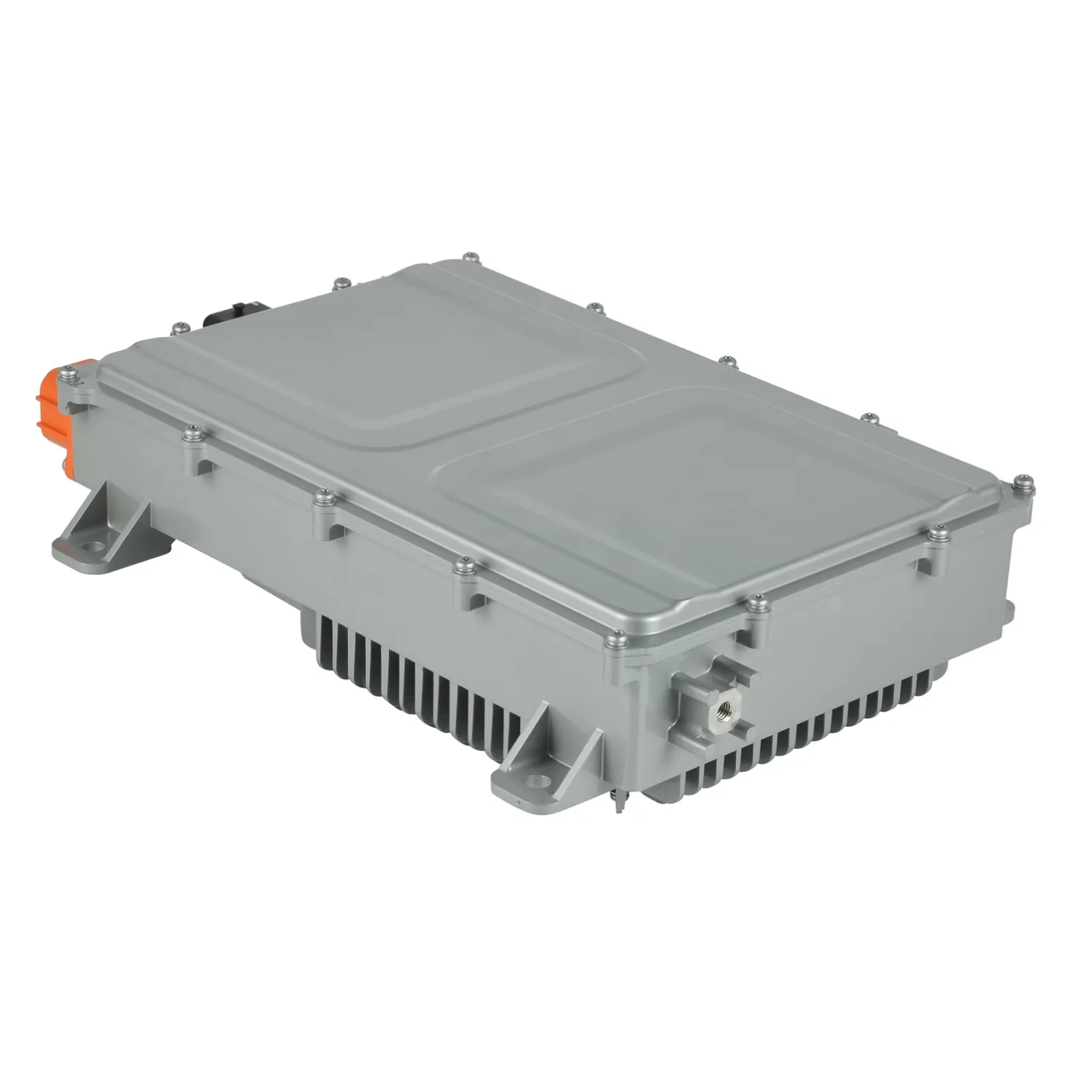
Echelon builds on-board chargers and integrated OBC + DC/DC units for motorhome platforms, such as the 6.6 kW OBC + 1.5 kW DC/DC 2-in-1.
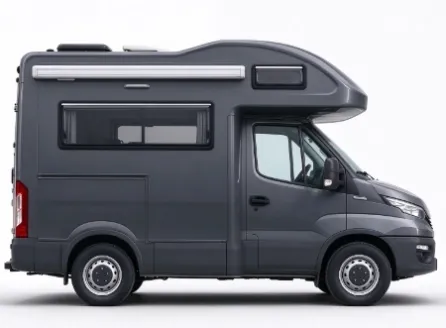
What a Motorhome Needs from a Charger
- A voltage window covering the full charge range of large-capacity packs, often 320 V class
- Charging power matched to the pack and the campsite or shore-power window
- A broad AC input range, since campsite supplies vary widely
- A large 12 V / 24 V DC/DC output for house electronics, lighting and appliances
- Sealing and continuous-duty thermal design for outdoor storage
- CAN communication for battery and energy management
Choosing the Charging Power
- 3.3 kW - smaller camper vans and light platforms
- 6.6 kW - larger motorhome platforms charging overnight from shore power
- 11 kW - large packs and short stops needing faster replenishment
FAQ
Can a motorhome charge from a campsite hook-up?
Yes - the charger tolerates a broad AC input range, so it works from the varied single-phase supplies found at campsites and shore power points.
How does the charger feed house loads?
A combined OBC + DC/DC unit charges the traction pack and supplies the 12 V / 24 V house circuits from the same housing.
What battery size do electric motorhomes use?
Motorhomes use large-capacity packs, often 320 V class; confirm the charger's output window covers the full charge range.