Utility & Delivery EV Charging
Electric Tractors Charger
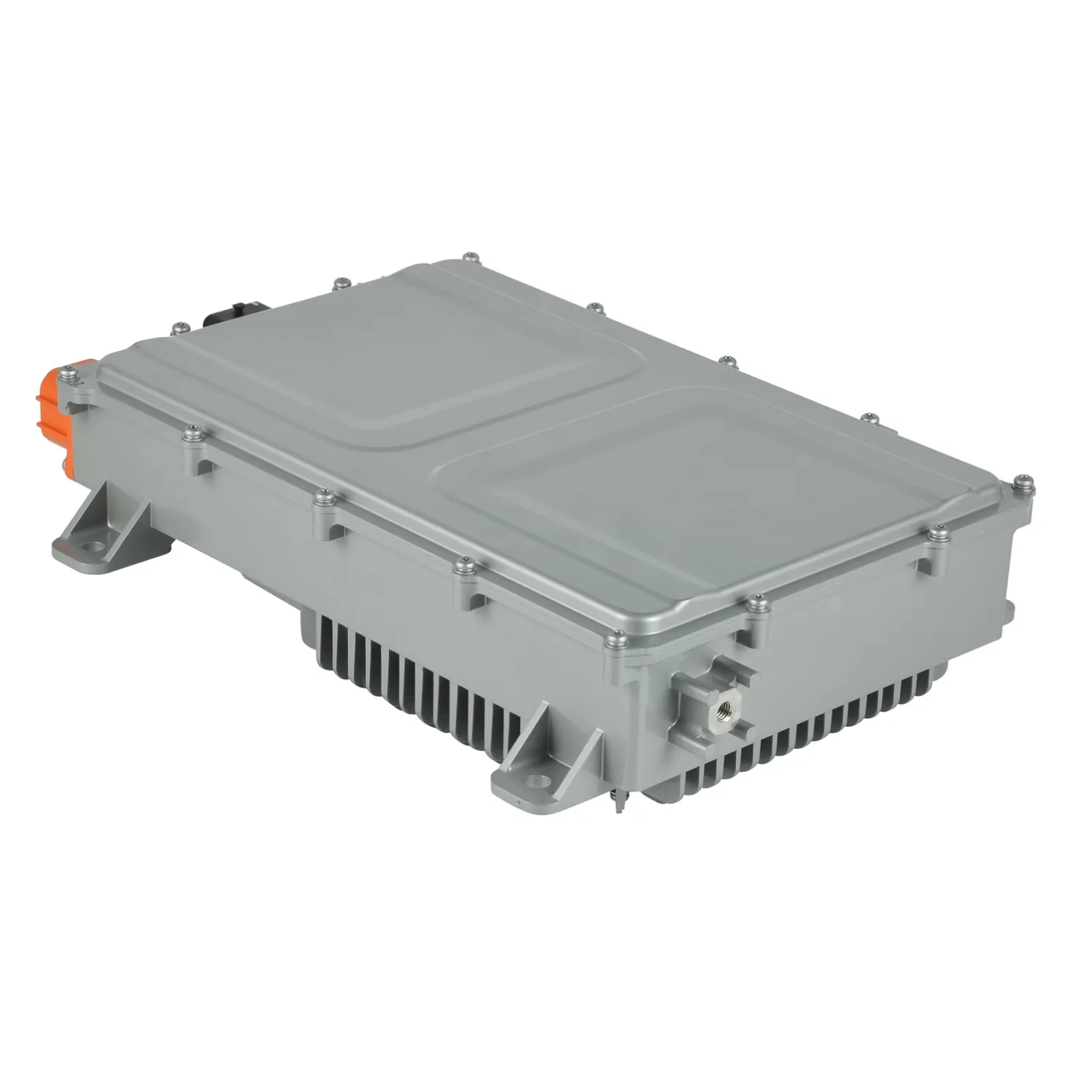
On-board chargers for electric tractors and agricultural EVs on 48V-360V platforms, with wide temperature range, sealing and OEM/ODM customization.
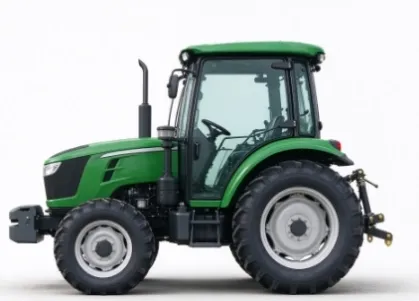
Electric tractors and agricultural machines work where road vehicles do not: in fields, in dust, in summer heat and winter cold, often far from any fixed power. That environment, plus the duty cycle of farm work, shapes what the on-board charger has to do.
Echelon builds on-board chargers and integrated OBC + DC/DC units for 48 V to 360 V agricultural platforms, such as the 6.6 kW OBC + 1.5 kW DC/DC 2-in-1.
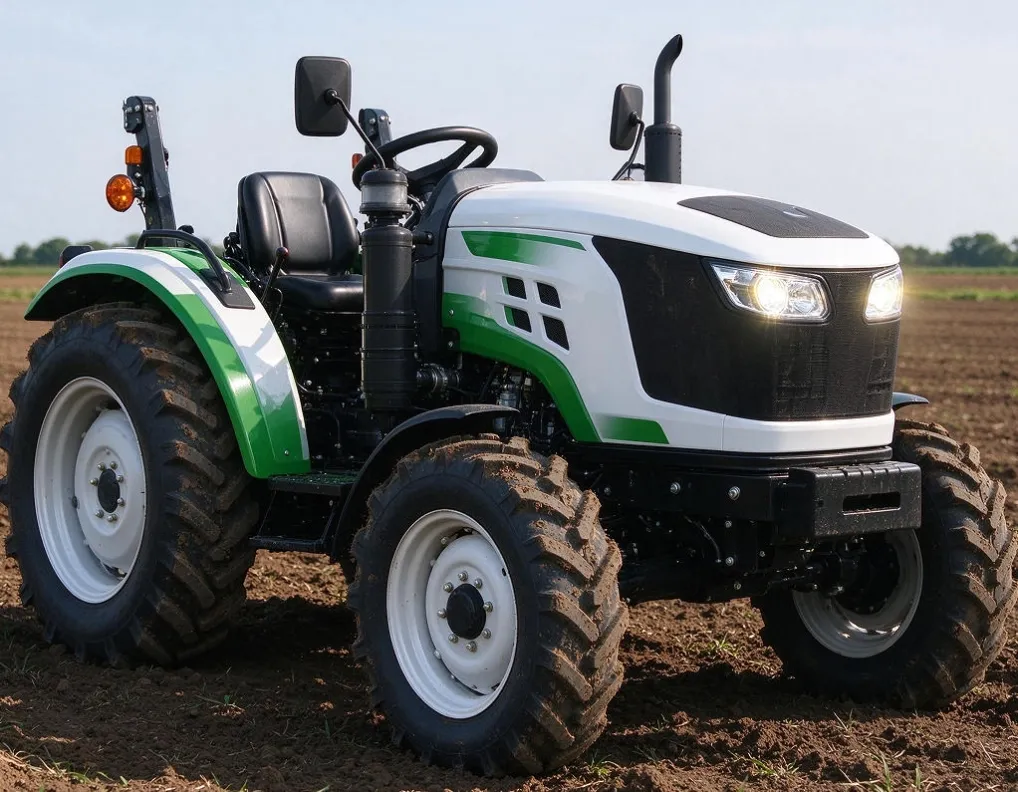
What an Electric Tractor Needs from a Charger
- A voltage window covering the full charge range of 48 V to 360 V platforms
- Charging power matched to the duty cycle: 3.3 kW to 6.6 kW single-shift, 11 kW for harvest
- Sealing and a wide operating temperature range for field dust, washdown and cold
- Vibration tolerance for chassis loading that differs from a road vehicle
- CAN communication with the BMS and machine controller
- Bidirectional V2L/V2G capability where the battery doubles as a mobile power source
Choosing the Charging Power
- 3.3 kW - smaller tractors and utility machines on overnight shed charging
- 6.6 kW - the working unit for 96 V to 320 V tractors
- 11 kW - larger machines needing fast turnaround, with V2G/V2L on a 360 V platform
FAQ
What voltage do electric tractors use?
Agricultural EVs range from 48 V to 320 V, with larger machines moving to 360 V class; confirm the output window covers the full charge range.
Can a tractor charger power tools on site?
An 11 kW bidirectional unit supports V2L, so the traction battery can run pumps, tools and lighting away from the farm supply.
How does dust and washdown affect the charger?
An IP-rated sealed enclosure and validated thermal design keep the charger reliable through field dust, washdown and wide temperature swings.