Utility & Delivery EV Charging
Electric Sanitation Vehicles Charger
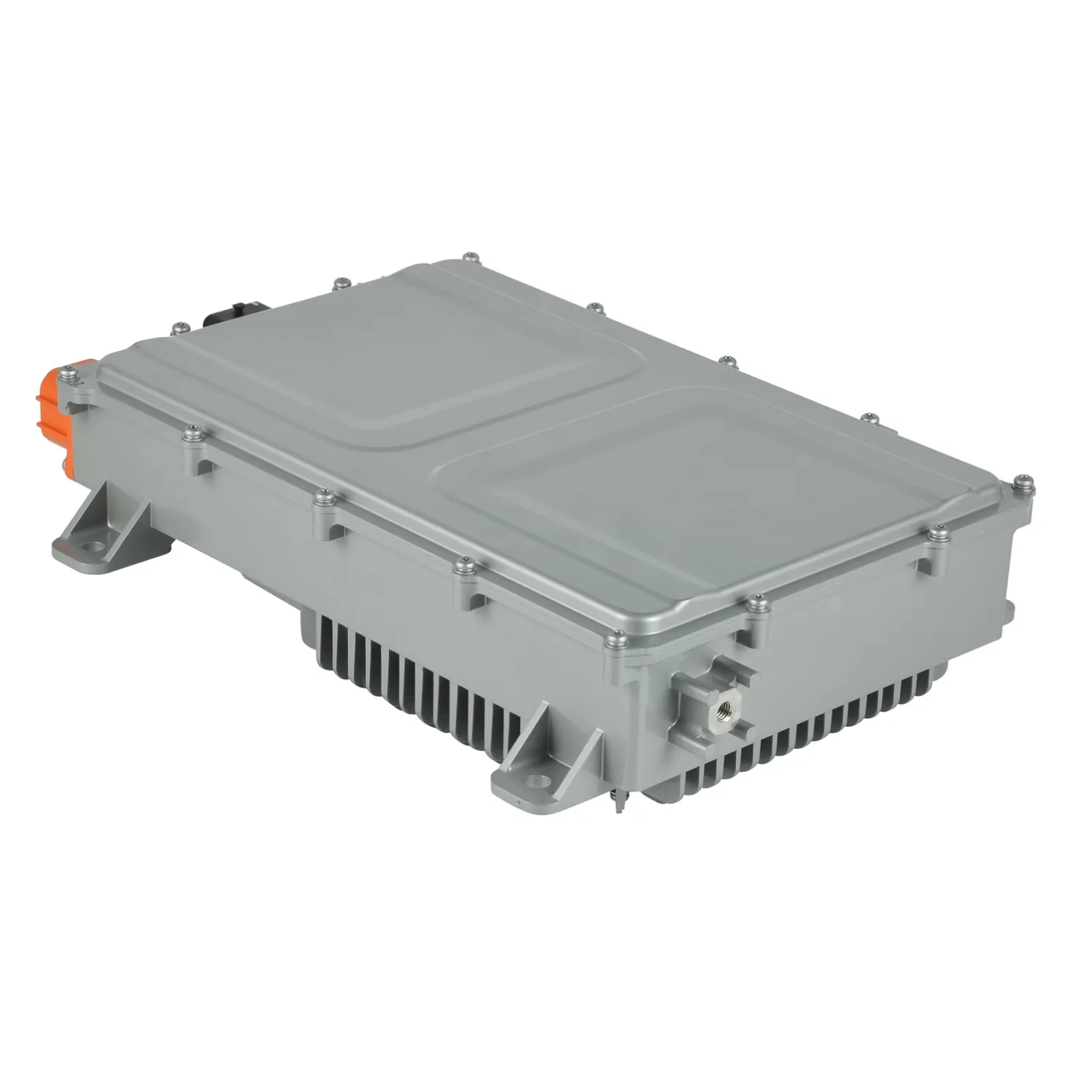
On-board chargers for electric street sweepers and sanitation vehicles on 96V-320V platforms, sealed for washdown, with OEM/ODM customization.
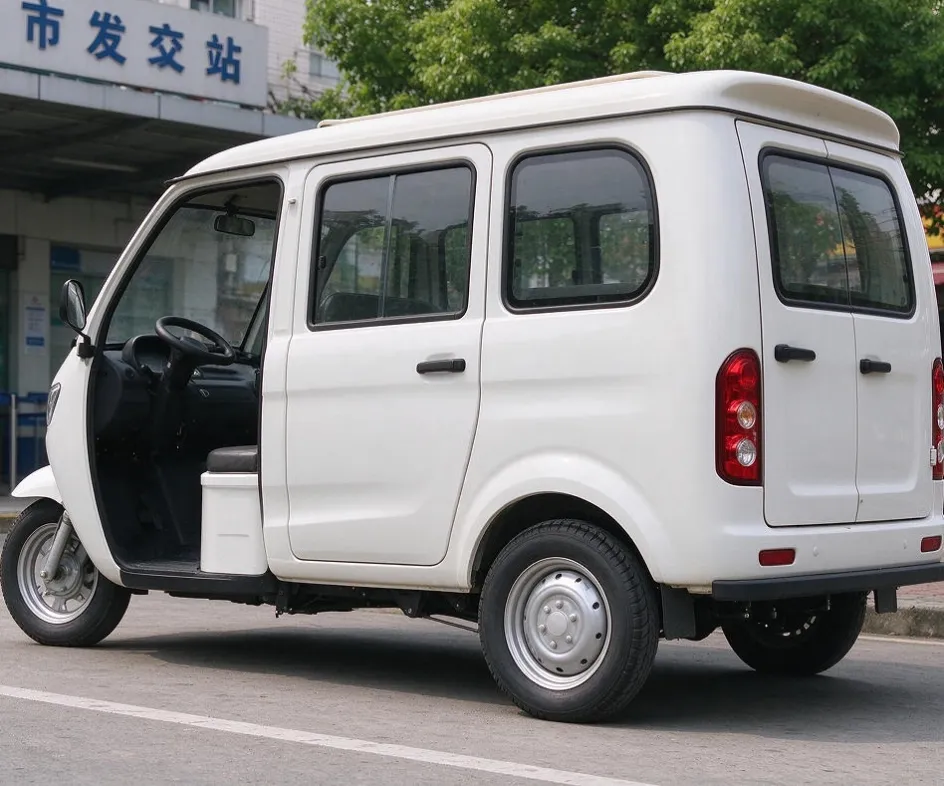
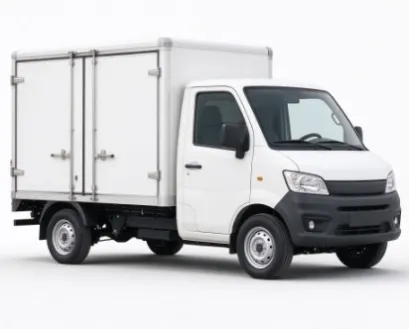
Electric sanitation vehicles - street sweepers, refuse compactors and water trucks - work fixed municipal routes, usually starting before dawn. They run in dust, water spray and frequent washdown, and must be charged and ready for the next morning.
Echelon builds on-board chargers and integrated OBC + DC/DC units for 96 V to 320 V sanitation platforms, such as the 6.6 kW OBC + 1.5 kW DC/DC 2-in-1.
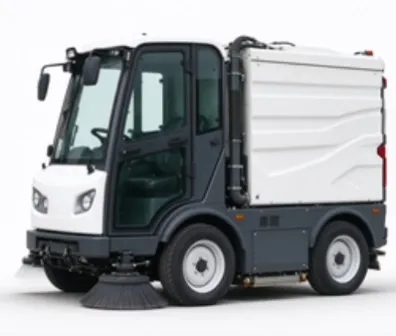
What an Electric Sanitation Vehicle Needs from a Charger
- A voltage window covering the full charge range of 96 V to 320 V platforms
- Charging power matched to the route and the overnight depot window
- Sealing (IP-rated) for washdown and water spray
- Dust and vibration tolerance for street and refuse work
- CAN communication for lithium packs and fleet telemetry
- An operating range that covers early-morning cold and summer heat
Choosing the Charging Power
- 3.3 kW - smaller sweepers and utility sanitation vehicles
- 6.6 kW - the standard for larger vehicles charging overnight
- 11 kW - long routes or short depot windows needing fast turnaround
FAQ
How long does a street sweeper take to charge?
A 6.6 kW unit refills most sanitation packs overnight, ready for the early route; larger packs or short windows call for 11 kW.
Can the charger take a daily washdown?
Yes - an IP-rated sealed enclosure stands up to routine washdown, water spray and dust on municipal routes.
What voltage do electric sanitation vehicles use?
Most use 96 V to 320 V platforms; confirm the charger's output window covers the pack's full charge range.