48V or 72V: How to Choose the Battery Platform for a 1.5kW 2-in-1 Power Unit
48V or 72V for a 1.5kW 2-in-1 power unit? Compare current, cabling, DC-DC output, and fleet compatibility before fixing the battery platform.
48V or 72V is one of the earliest decisions in a light electric vehicle programme, and one of the hardest to reverse. It fixes the battery, the charger, the cabling, and much of the low-voltage architecture. For a 1.5kW 2-in-1 power unit, the choice is rarely about which voltage is better in general — it is about which one fits the vehicle's loads, the existing fleet, and the supply chain behind it.
This guide compares the 48V and 72V platforms for a 1.5kW 2-in-1 power unit: how voltage changes current, what changes in cabling and losses, how the platform affects the DC-DC output for 12V loads, and when an existing fleet or battery supply should decide the question.
How Does Battery Voltage Change Current at the Same Power?
Power equals voltage multiplied by current. At the same power, a higher battery voltage means lower current — and current is what sizes cables, connectors, and losses.
As an arithmetic illustration, delivering 1,500W at 48V requires about 31A, while delivering the same 1,500W at 72V requires about 21A. The same pattern shows in Echelon's published specifications: the 3.3kW OBC provides up to 40A on the 72V version and up to 32A on the 96V version, and the 2kW OBC + 1kW DC-DC 2-in-1 provides up to 24A on the 72V version and up to 20A on the 96V version. Higher voltage consistently means lower current for the same power.
Lower current is not automatically better. It must be weighed against battery availability, motor and controller voltage, existing fleet voltage, and the cost of changing any of them. The platform decision is a system decision, not a charger decision alone.
What Changes in Cabling, Connectors, and Losses When Voltage Rises?
Lower current allows thinner cabling and smaller connectors for the same power, and it reduces resistive losses, which grow with the square of the current. On a compact vehicle where cable runs are short, the saving is modest; on longer runs or higher-power versions, it becomes significant.
Against that, a higher-voltage platform needs battery, motor, controller, and charger versions that all match the chosen voltage, and it needs insulation, clearance, and protection rated for that voltage. Moving an existing 48V vehicle design to 72V is rarely a charger swap — it is a platform change that touches the whole electrical system.
For a new platform with no legacy constraints, the choice should follow the loads: the traction power, the auxiliary loads, and the charging power the vehicle actually needs. For an existing platform, the existing voltage usually wins unless a specific requirement forces a change.
How Does the Platform Choice Affect the DC-DC Output for 12V Loads?
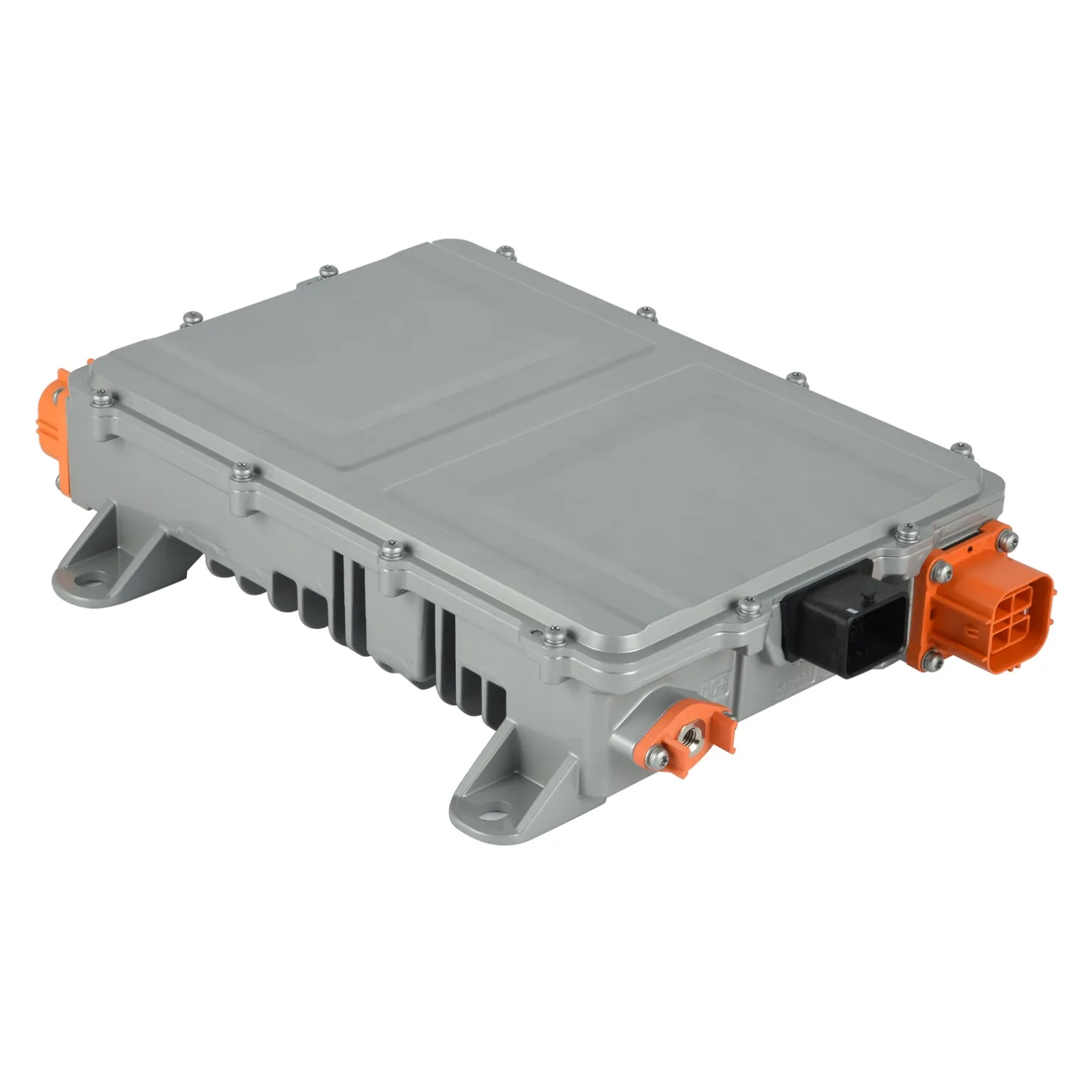
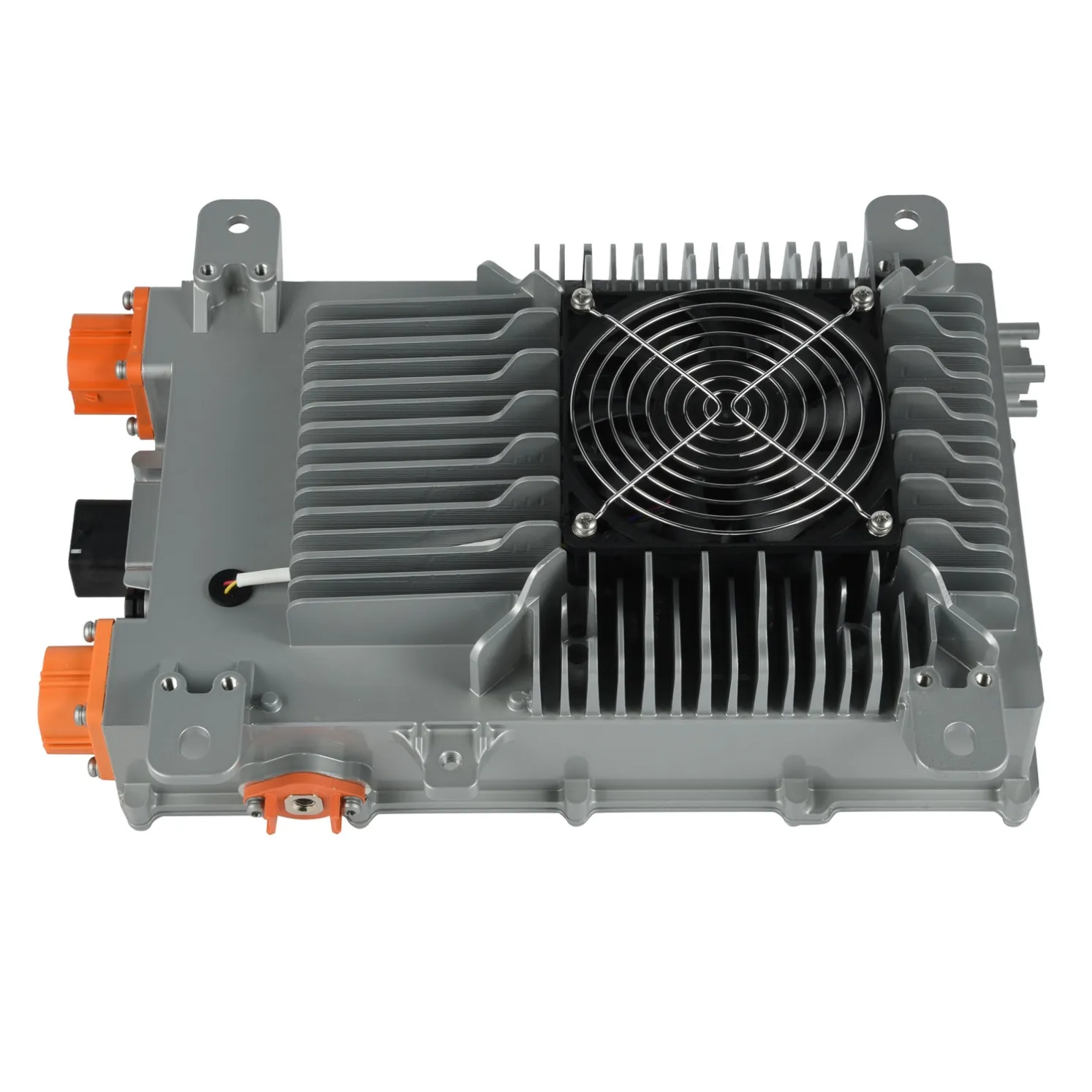
The DC-DC converter supplies the low-voltage system — vehicle controller, lighting, displays, and other electrical loads — from the traction battery. On the 1.5kW OBC + 500W DC-DC 2-in-1, both the 48V and the 72V versions provide the same 500W DC-DC output, so the platform choice does not change the auxiliary power available from this unit.
What changes is the load budget the vehicle brings. Before fixing the platform, list every 12V load, its simultaneous draw, and its peak draw, and compare the total against the 500W available. If the load list exceeds 500W, the answer is a larger DC-DC stage — such as the 1kW DC-DC converter in the 2kW 2-in-1 or the 1.5kW DC-DC converter in the 3.3kW 2-in-1 — not a different battery voltage.
The charger and converter must also match the battery's charging window. Both versions of the 1.5kW 2-in-1 use CC/CV charging control with CAN communication, IP67 protection, and air cooling, and charging voltage, current, and CAN communication can be configured for OEM projects. Confirm the battery's voltage range, chemistry, and charging requirements against the selected version before committing.
When Does an Existing Fleet or Battery Supply Decide the Platform?
In practice, the platform is often decided before the charger discussion begins. An existing fleet on 48V, a battery supplier tooled for 72V, a motor and controller already validated at one voltage, or a depot charging setup built around one platform — any of these can fix the decision.
That is usually the right outcome. Matching the platform the rest of the system already uses avoids revalidation, keeps spares and service common, and removes a whole class of integration risk. The charger supplier's job in that case is to provide the right version of the power unit for the platform already chosen, with charging parameters configured to the battery.
A platform change is worth considering only when a specific requirement demands it: traction power the current voltage cannot deliver efficiently, a new vehicle generation with no legacy constraints, or a battery supply change that makes the other voltage the practical choice. Each of those should be a documented decision, not a default.
What Should OEMs Confirm Before Fixing the Platform?
| Area | Information to confirm | Why it matters |
|---|---|---|
| Traction power | Required power and current at each candidate voltage | Shows whether the voltage serves the loads |
| Battery | Voltage range, chemistry, capacity, charging requirements | Selects the charger version and charging parameters |
| Auxiliary loads | Full 12V load list, simultaneous and peak draws | Decides whether 500W DC-DC output is enough |
| Existing system | Fleet voltage, motor, controller, battery supply | Often fixes the platform before the charger discussion |
| Cabling | Cable runs, connector ratings, loss budget | Quantifies the higher-voltage advantage |
| Charging supply | AC voltage and current at real charging locations | Sets practical charging power for either platform |
| Growth | Planned power or load increases over the platform life | Prevents a platform that the next version outgrows |
For the broader selection picture — power, voltage, cooling, communication, and integration — see How to Choose an On-Board Charger (OBC) for Commercial EVs, and for the architecture choice between separate units and integration, see OBC vs DC-DC Converter vs 2-in-1 Integrated Power Unit.
Related Echelon Products
1.5kW OBC + 500W DC-DC 2-in-1 — Integrated 1.5kW onboard charger and 500W DC-DC converter for 48V and 72V platforms, with CAN communication, CC/CV control, and IP67 protection.
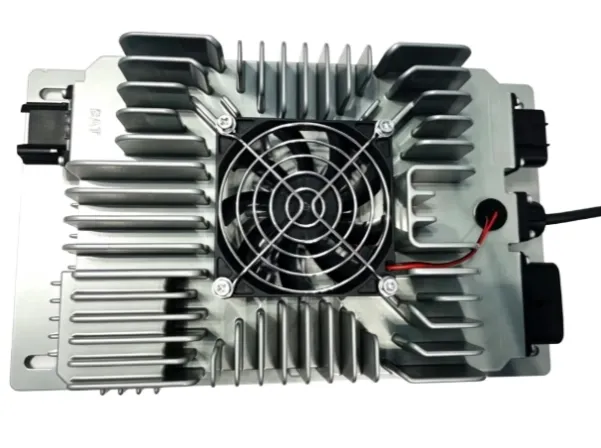
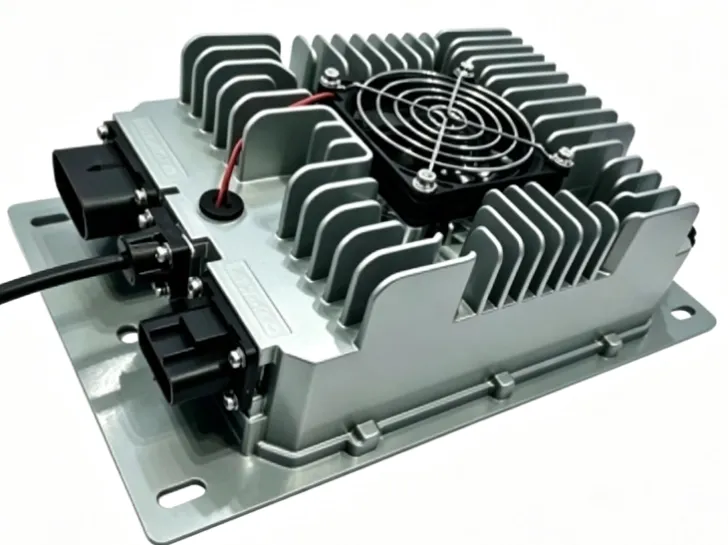
2kW OBC + 1kW DC-DC 2-in-1 — 2kW onboard charger with 1kW DC-DC converter for 72V and 96V platforms, when the vehicle needs more charging power or more auxiliary power.
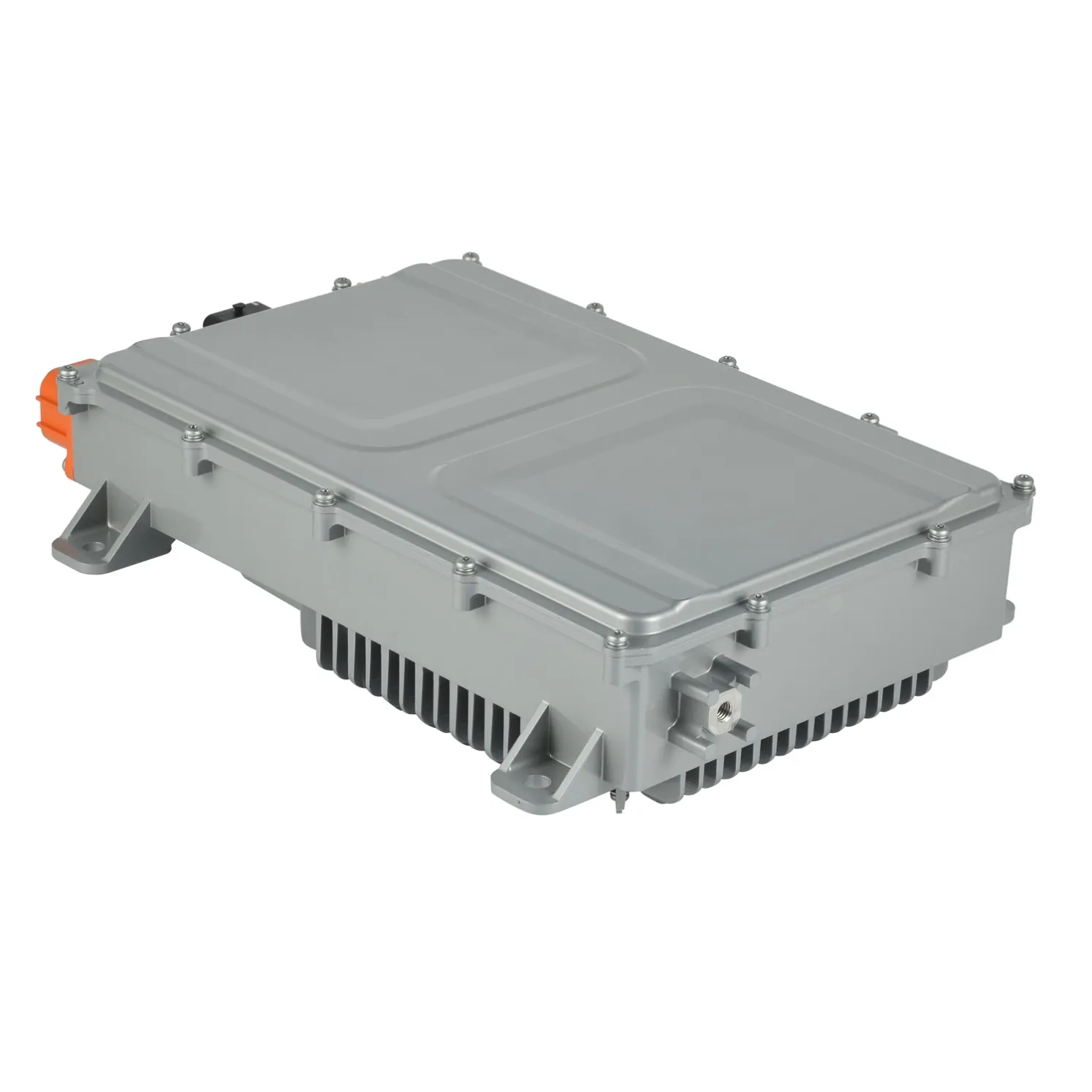
3.3kW OBC — Standalone 3.3kW onboard charger for 72V and 96V platforms, with CAN bus communication and air cooling, for vehicles that carry a separate DC-DC converter.
Frequently Asked Questions
Is 72V always better than 48V for a light EV?
No. Higher voltage lowers current for the same power, but the right platform depends on the traction loads, the existing fleet and battery supply, and the motor and controller voltage. An existing 48V system usually stays 48V unless a specific requirement forces a change.
Does the battery platform change the DC-DC output on the 1.5kW 2-in-1?
No. Both the 48V and 72V versions provide the same 500W DC-DC output. If the 12V load list exceeds 500W, the answer is a larger DC-DC stage, not a different battery voltage.
Can charging parameters be adjusted for a specific battery?
Yes. Charging voltage, current, and CAN communication can be configured for OEM projects. Provide the battery voltage range, chemistry, and charging requirements so the parameters match the battery.
What if the fleet already runs on one voltage?
Match it. Keeping the fleet voltage avoids revalidation, keeps spares and service common, and removes integration risk. Change platforms only when a documented requirement demands it.
What information should an OEM provide before requesting a platform review?
Provide the battery voltage range and chemistry, traction power requirements, the full 12V load list, the existing fleet and motor/controller voltage, and the AC supply conditions at real charging locations.
Next Step
Send the Echelon team the battery voltage range, traction power requirements, 12V load list, and existing fleet voltage, and ask which platform and power-unit version fits the vehicle.
Contact Echelon directly: Email nancy@tici-energy.com · WhatsApp +86 18114665311.
Use the contact form on the contact page to start the discussion, and see how a custom programme is scoped on the OEM/ODM page.