48V Electric Three-Wheeler Charger: What a 48V LiFePO4 Battery Actually Needs
A 48V LiFePO4 pack is 51.2V nominal and charges to 58.4V. Here is what its charger must cover — output range, 230V mains, Indian plug, heat, and CAN.
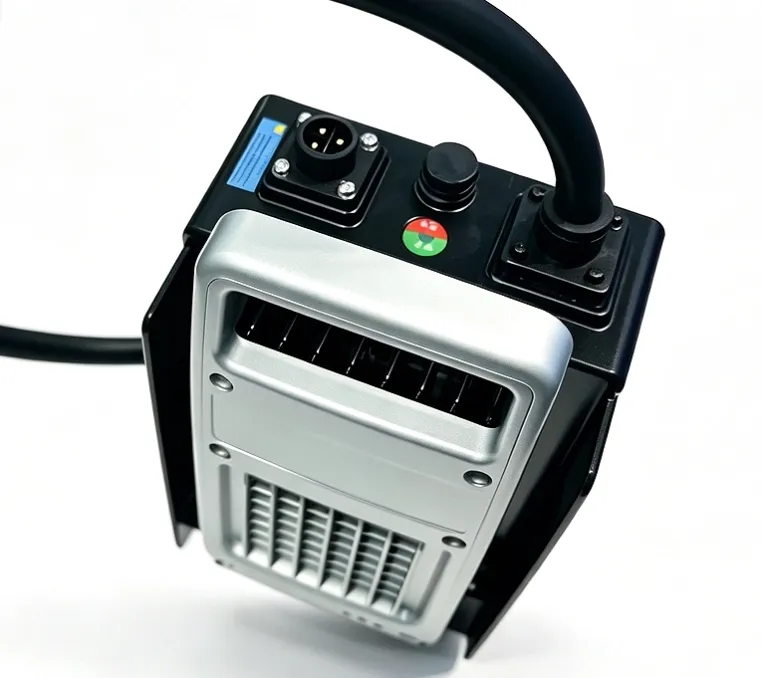
A 48V LiFePO4 pack is 51.2V nominal and charges to 58.4V. This guide specifies the charger for that pack — output range, Indian mains and plug, sealing and heat, and CAN coordination — using Echelon's 1.9kW portable charger for the 48V platform as the reference unit.
Buyers have asked Echelon about 48V specifically. The platform comes first; 1.9kW is the power of Echelon's unit for this platform, not a market requirement. In September 2026, more than one in two new three-wheelers sold in India was electric, and PM E-DRIVE incentives for registered electric three-wheelers run to March 2028.
Key takeaways:
- A 48V LiFePO4 pack is typically 51.2V nominal and charges to 58.4V — specify the charger against 58.4V.
- PC-DB-1K-48 covers 33-66V at up to 40A and delivers 1900W at 220Vac.
- At 230V, 1900W draws about 8.3A — it fits an Indian 15A plug, not a 5A plug.
- The unit is IP66, forced-air cooled, rated -20 to +55°C, and derates from 75°C internal temperature.
- It is a standalone charger with no DC-DC stage, and its CAN protocol must be confirmed before ordering.
A 48V LiFePO4 pack charges to 58.4V, not 48V
48V is a nominal voltage. A 48V LiFePO4 pack is typically 16 cells at 3.2V each — 51.2V nominal — and charges to 16 cells at 3.65V each — 58.4V at full charge. Those are typical LiFePO4 figures, not a figure from the charger datasheet; confirm the cell count and full-charge voltage with the battery supplier, as a different chemistry charges to a different top voltage. The charger output range must cover that top voltage with margin. The 48V platform comparison is 48V or 72V: How to Choose the Battery Platform for a 1.5kW 2-in-1 Power Unit, and the full three-wheeler specification guide is the L5 Electric Three-Wheeler Onboard Charger guide (draft, not yet published — no link until it is live).
The 48V charger specification is 33-66V at up to 40A and 1900W at 220Vac
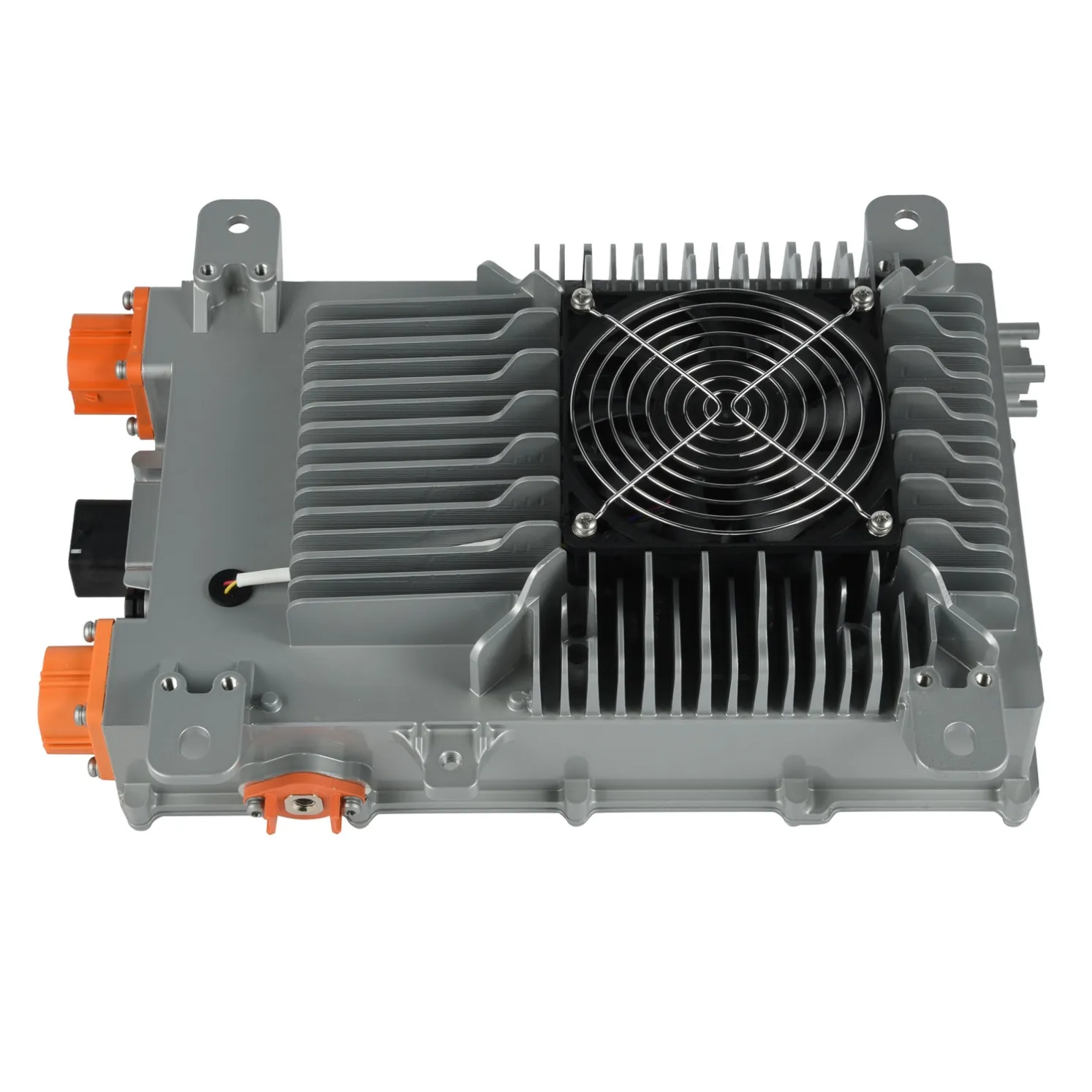
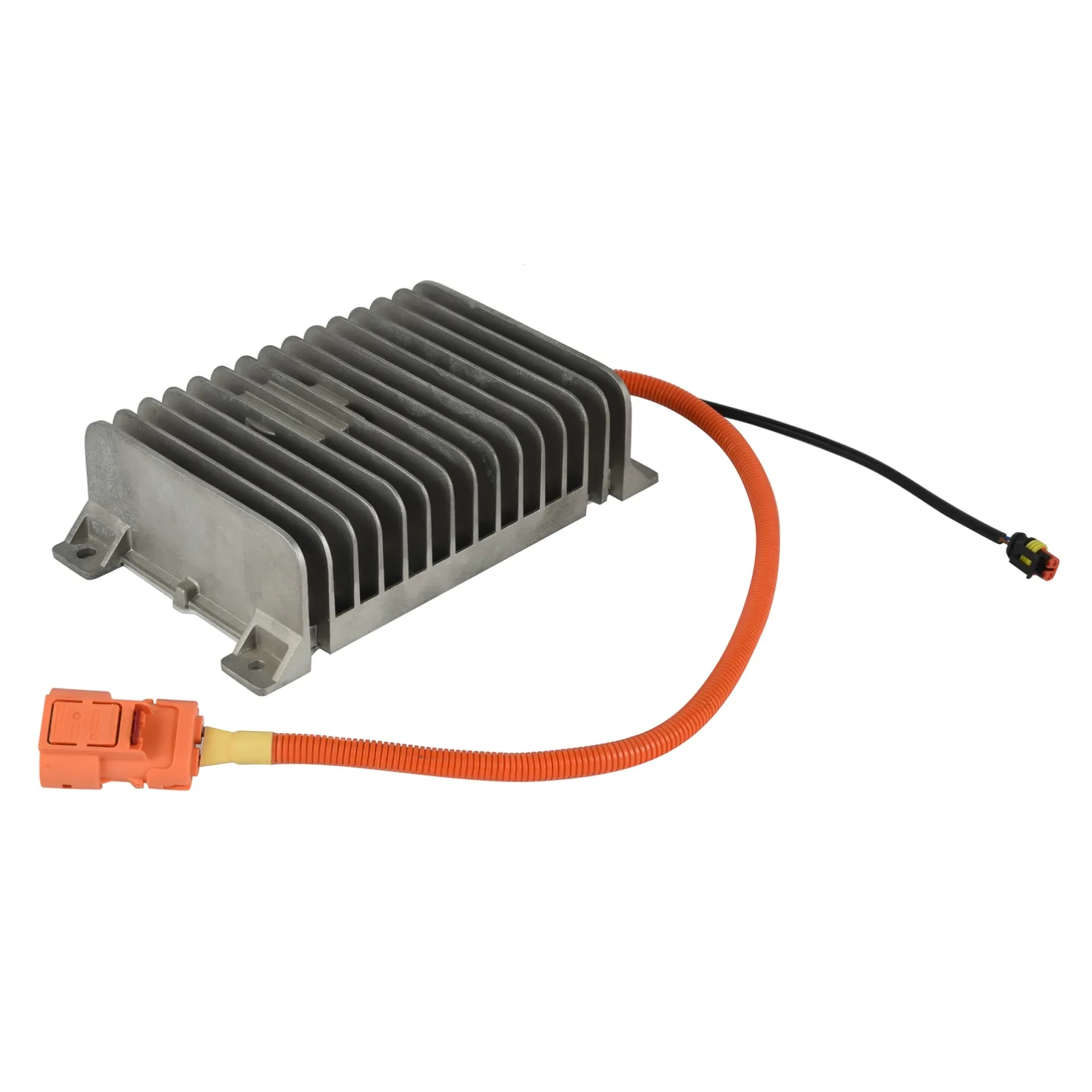
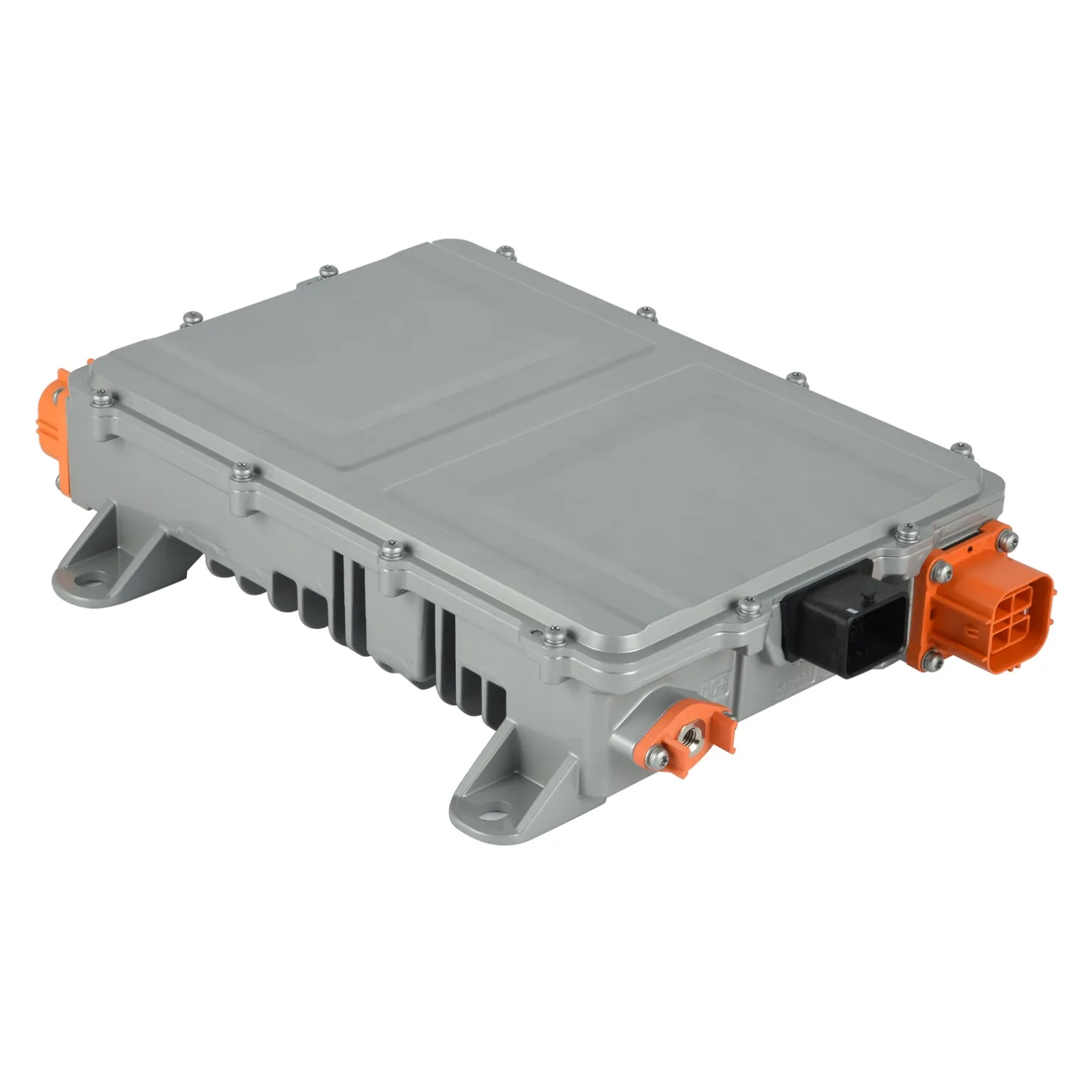
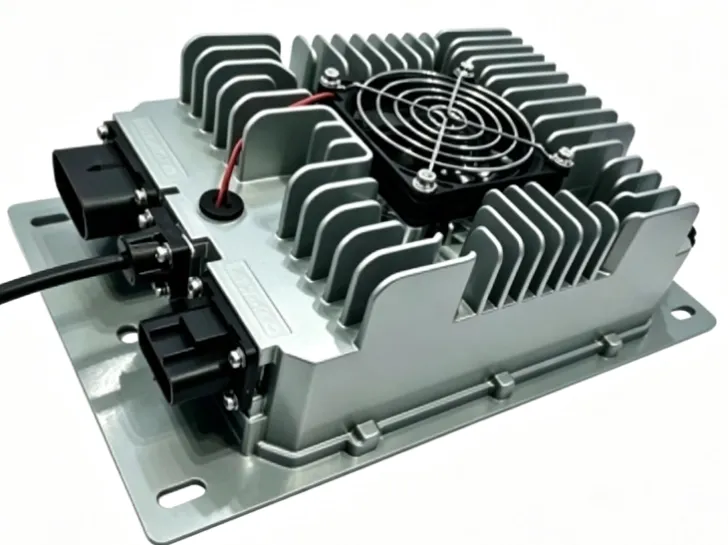
The reference unit is the 1.9kW portable / on-board charger, model PC-DB-1K-48. It is dual-use: mounted on the vehicle as an on-board charger, or carried to the outlet as a portable charger. The specification below is from the PC-DB-1K-XX datasheet; the live 1.9kW product page still carries an older set of figures, which are not used here.
| Specification, PC-DB-1K-48 | Value |
|---|---|
| Rated power | 1900W at 220Vac |
| Output voltage range | 33-66Vdc — covers 58.4V with margin |
| Rated output current | 40A (72V version: 28A; 96V version: 20A) |
| AC input | 85-264Vac, 10A max |
| Charging control | CC/CV; voltage accuracy ≤1%; current accuracy ≤5% |
| Maximum efficiency | ≥93% |
| Cooling and sealing | Forced air cooling; IP66 |
| Operating temperature | -20 to +55°C |
| Weight and size | 2.7 kg; 263 x 137 x 100 mm |
| Cables supplied | Input 1500 mm; output 650 mm |
The datasheet states no battery-chemistry support as such, and no DC-DC stage: this unit charges the traction pack only. A vehicle that also needs a 12V supply needs a separate DC-DC converter or a 2-in-1 power unit — the 1.5kW OBC + 500W DC-DC 2-in-1 is the integrated option for 48V platforms.
A 1.9kW charger draws about 8.3A at 230V and fits a 15A Indian plug
India runs on 230V / 50Hz single-phase mains. At 230V, 1900W draws about 8.3A; at 220V, about 8.6A. The charger's 85-264Vac input covers that supply, and an Indian 15A three-pin round plug (Type M) fits it — a 5A plug does not. Charge time is energy divided by power, before losses and the CC/CV taper: a 7.2 kWh pack takes about 3.8 hours on a 1.9kW charger in ideal terms, and longer in practice. For the wide-input reasoning, see 110V or 220V, One Onboard Charger Covers Both: What APEC Shenzhen Proves About Wide AC Input.
IP66, forced-air cooling, and derating decide whether 1.9kW holds in Indian heat and dust
The charger sits under a seat or a load bed, in dust, monsoon rain, and summer heat. Its sealing is IP66 — not IP67 — and its cooling is forced air. It derates from 75°C internal temperature (±3°C), switches off at 80°C (±3°C), and recovers automatically after the temperature drops; short-circuit protection is self-recovery. A charger that derates on a hot afternoon is installed where its cooling path cannot do its job, or is working above its -20 to +55°C operating range. The installation reasoning is Onboard Charger Installation: Mounting, Cooling, Sealing, and CAN Wiring for Commercial EVs.
CAN coordination with the BMS must be confirmed before ordering
The BMS sets the voltage and current the pack will accept, and the charger follows those limits over CAN. CAN_H and CAN_L pins are defined on this unit, but the interface definition is marked TBD in the datasheet and no CAN speed or protocol is stated. Before ordering, supply the battery platform and full voltage range, the maximum charge current the BMS allows, and the CAN protocol for the exact model number. The checklist is CAN Communication and BMS Integration Checklist for OBC.
Related Echelon Products
1900W at 220Vac, 33-66V at up to 40A, CC/CV, CAN_H / CAN_L, IP66, forced-air cooling, -20 to +55°C, 2.7 kg. Standalone charger — no DC-DC stage. Product-page link not included: the live 1.9kW page still carries the older spec set and must be corrected to the PC-DB-1K datasheet before it is linked.
The integrated option for 48V platforms that also need a 12V supply: 1.5kW OBC with a 500W DC-DC stage, CAN, CC/CV, IP67, air cooling. Charging voltage, current, and CAN are configurable for OEM projects.
Frequently Asked Questions
what voltage does a 48V LiFePO4 battery charge to
Typically 58.4V — 16 cells at 3.65V each, against 51.2V nominal. Confirm the cell count and full-charge voltage with the battery supplier.
how long does it take to charge a 48V electric three-wheeler
On a 1.9kW charger, a 7.2 kWh pack takes about 3.8 hours in ideal terms, before charging losses and the CC/CV taper, which make the real time longer.
can a 1.9kW charger run on an Indian household supply
Yes, on a 230V / 50Hz supply with a 15A plug. At 230V, 1900W draws about 8.3A. A 5A plug is not enough.
does the 1.9kW charger have a DC-DC stage
No. It is a standalone charger with no DC-DC output. A vehicle that also needs a 12V supply needs a separate DC-DC converter or a 2-in-1 power unit.
is the 1.9kW charger IP67
No. It is IP66, forced-air cooled, rated -20 to +55°C. It derates from 75°C internal temperature and switches off at 80°C, then recovers automatically.
Next Step
Send Echelon's team your programme data — the battery platform and pack voltage range, the cell count and full-charge voltage, the overnight charge window, the CAN protocol, and the mounting position and cooling path — and ask which charger fits, what the installation plan provides for it, and what validation evidence comes with it.
Contact Echelon directly: Email nancy@tici-energy.com · WhatsApp +86 18114665311.
Use the contact form on the contact page to start the discussion, and see how a custom programme is defined on the OEM/ODM page.