
110V or 220V, One Onboard Charger Covers Both: What APEC Shenzhen Proves About Wide AC Input
One onboard charger must work on 110V and 220V supplies. APEC Shenzhen's fleet charged wherever its routes ended — here is how to specify wide AC input and plan for 110V derating.
In November 2026, APEC Shenzhen ran its official fleet on about 1,400 new energy vehicles, and the fleet charged wherever its routes ended — on the AC supplies that were already there. For a commercial EV buyer, the summit's real lesson is a specification question: does the onboard charger work on every grid voltage the fleet will meet? Echelon did not supply vehicles or chargers for the summit fleet; the lesson below is drawn from how the fleet operated, and from what our own chargers are specified to do.
This guide answers the buyer's question behind that lesson: how to specify a 110V 220V onboard charger for a fleet that charges on 110V in one market and 220V in the next. It covers the grid-voltage split across APEC economies, what a 90–264Vac input range buys, how 110V derating changes dwell planning, and the six points that belong in the specification. For choosing between power classes, see our guide 3.3kW vs 6.6kW vs 11kW OBC: Which One Do You Need?
Key takeaways:
- APEC Shenzhen ran about 1,400 new energy vehicles as its official fleet for two days of continuous duty, charging wherever routes ended on the AC supplies already there.
- APEC's 21 economies span 110V-class grids — Japan 100V, North America 120V, Taiwan 110V — and 220–240V grids — China 220V, Australia 230V, most of Southeast Asia 220–230V.
- Echelon's standalone onboard chargers accept 90–264Vac, so one unit works on both grid classes — at reduced power on 110V.
- Plan fleet dwell on the 110V figure, not the headline: a 6.6kW charger delivers about 50kWh in an eight-hour stop at 220V and about 25kWh at 110V.
- Specify wide AC input on six points: input range, 110V power, derating behaviour, battery platform, CAN configurability, and DC-DC output.
APEC Shenzhen's Official Fleet Charged Wherever Its Routes Ended
The 33rd APEC Economic Leaders' Informal Meeting took place in Shenzhen on November 18–19, 2026, with delegations from 21 economies. Its official fleet ran on about 1,400 new energy vehicles — around 700 Denza vehicles, including more than 600 Denza D9s, and around 700 Hongqi vehicles — on two days of continuous, high-frequency duty. Support teams worked around the clock, with maintenance and charging points placed along the routes, so vehicles charged between runs instead of returning to a single depot.
The summit closed on November 18 with the Shenzhen Initiative, which pushes Asia-Pacific fleets toward zero-carbon and low-carbon transport. Shenzhen had already proved the same point at city scale more than ten years earlier, when it electrified its entire bus fleet and all of its taxis: vehicles that charge reliably every night at the depot, on hardware that survives years of daily cycles.
The point for a buyer is not the headline but the mechanism. The summit fleet's charging worked because the vehicles could use the AC supplies that were already there — at the depot, along the route, wherever the run ended. That is an onboard-charger specification, not a charging-station specification. The charger is the component that turns any AC outlet into a charging point.
APEC's 21 Economies Run on Two Different Grid Voltages
A fleet vehicle sold across the Asia-Pacific region meets two different grid classes in service. The split is not a detail; it decides whether the vehicle charges at all in its second market.
| Economy / region | Typical grid voltage | Grid class |
|---|---|---|
| Japan | 100V | 110V class |
| North America (US, Canada, Mexico) | 120V | 110V class |
| Taiwan | 110V | 110V class |
| China | 220V | 220V class |
| Australia | 230V | 220V class |
| Southeast Asia (most markets) | 220–230V | 220V class |
Grids also differ in frequency and connector, but voltage is the difference that changes charging power. A charger specified for a 220V grid and then sold into a 110V market does not fail outright — it charges at reduced power, and the fleet schedule built on the headline figure fails with it. A charger specified for the full span works in both markets from the same part number, with no market-specific variant, no depot rewiring, and one set of spares.
A 90–264Vac Input Range Turns Any Depot Supply Into a Charging Point
Echelon's standalone onboard chargers accept 90–264Vac. That range covers the whole APEC span — from Japan's 100V to Australia's 230V — so the same unit works on a 220V depot in Shenzhen and a 110V depot in Taipei or Tokyo. The fleet does not need a different charger per market, and the vehicle does not need to be re-specified when the next export order comes from the other grid class. In short, a wide AC input onboard charger lets one part number serve both grid classes.
AC power is what buildings have: the depot, the workplace, the customer site. The onboard charger is what turns those stops into battery charge, and a wide input range is what makes every one of those stops usable regardless of the local grid. The input range answers the supply question; the battery platform answers the output question. For choosing between 48V and 72V platforms, see 48V or 72V: How to Choose the Battery Platform for a 1.5kW 2-in-1 Power Unit.
A wide input range is necessary but not sufficient. It guarantees the charger accepts the supply; it does not guarantee full power on that supply. The power the charger delivers at 110V is the number that decides the fleet schedule — and it is the number buyers most often forget to ask for.
110V Derating Is a Specification Fact, Not a Fault
Every wide-input charger delivers less power at a lower input voltage, because the input current is limited and power is voltage times current. That is physics, not a defect, and it applies to every supplier. The question is how much less — and whether the supplier publishes the figure instead of leaving the buyer to discover it on the first route.
| Unit | Power at 220Vac | Power at 110Vac |
|---|---|---|
| 6.6kW standalone OBC | 6.6kW | 3.3kW |
| 3.3kW standalone OBC | 3.3kW | 1.65kW |
| 2kW OBC + 1kW DC-DC 2-in-1 | 2kW | 1kW |
| 3.3kW OBC + DC-DC 2-in-1 | 3.3kW | 1.65kW |
The 6.6kW 2-in-1 and the 1.5kW 2-in-1 are not listed here: their 110V power figures are not published on their product pages. Confirm them with Echelon before promising a charging window on a 110V supply. At 110V the charger still works — it takes longer. The schedule must change, not the hardware.
Derating Changes How a Fleet Plans Its Overnight Dwell
Charging time is set by the energy the vehicle needs divided by the power the charger actually delivers, not by the headline on the label. A 6.6kW onboard charger operating at 93% efficiency delivers about 6.1kW to the battery, so an eight-hour overnight stop restores about 50kWh at 220Vac (6.6kW × 8h = 52.8kWh before efficiency). At 110Vac the same charger delivers 3.3kW, and the same eight hours restore about 25kWh. The 3.3kW unit restores about 25kWh at 220Vac and about 12kWh at 110Vac over the same stop.
The rule follows directly: size the overnight charge on the lowest-voltage supply the vehicle will meet. If the 110V figure does not cover the day's energy use, the answer is a larger charger, a longer stop, or a higher-voltage supply — decided before the vehicle ships, not discovered on the first route. For stepping up a power class, see 3.3kW vs 6.6kW vs 11kW OBC: Which One Do You Need?. For how duty cycle and opportunity charging set the requirement in the first place, see What Heavy-Duty Utility Vehicles Demand from a 6.6kW Charging System.
Six Points Belong in a Wide-AC-Input Charger Specification
| # | Specify | What to confirm |
|---|---|---|
| 1 | AC input range | The full range the unit accepts — 90–264Vac on Echelon's standalone units — not just the nominal voltage. Confirm the range covers the lowest grid in the target markets, including Japan's 100V. |
| 2 | Power at 110V | The derating figure at 110Vac, published per unit (see the table above). Plan the fleet schedule on this figure, not on the headline power. |
| 3 | Derating behaviour | How power steps down as input voltage falls. Ask for the derating curve before the vehicle ships; a single headline figure hides the shape of the drop. |
| 4 | Battery platform fit | The version per platform and the full charging voltage range — for example, the 6.6kW OBC 96V version charges 64–128Vdc at up to 60A, and the 320V version charges 240–480Vdc at up to 20A. Nominal voltage alone does not select the unit. |
| 5 | CAN configurability | Charging voltage, charging current, and CAN configurable for OEM projects. Confirm the charger, BMS, and vehicle controller coordinate charging limits, faults, and timeouts — see CAN Communication and BMS Integration Checklist for OBC. |
| 6 | DC-DC output and environment | The 6.6kW 2-in-1 carries a 1.5kW DC-DC stage (9–16V, 110A rated, 132A peak); other 2-in-1 units carry an integrated DC-DC stage — confirm the output against the simultaneous auxiliary loads. Confirm sealing and temperature rating for the installation environment: the 6.6kW 2-in-1 is sealed to IP67 and rated from −40°C to +55°C — see IP67, −40°C, and Automotive Validation Explained. For when a 2-in-1 makes sense at all, see OBC + DC-DC Integration: When Does a 2-in-1 Make Sense? |
Related Echelon Products
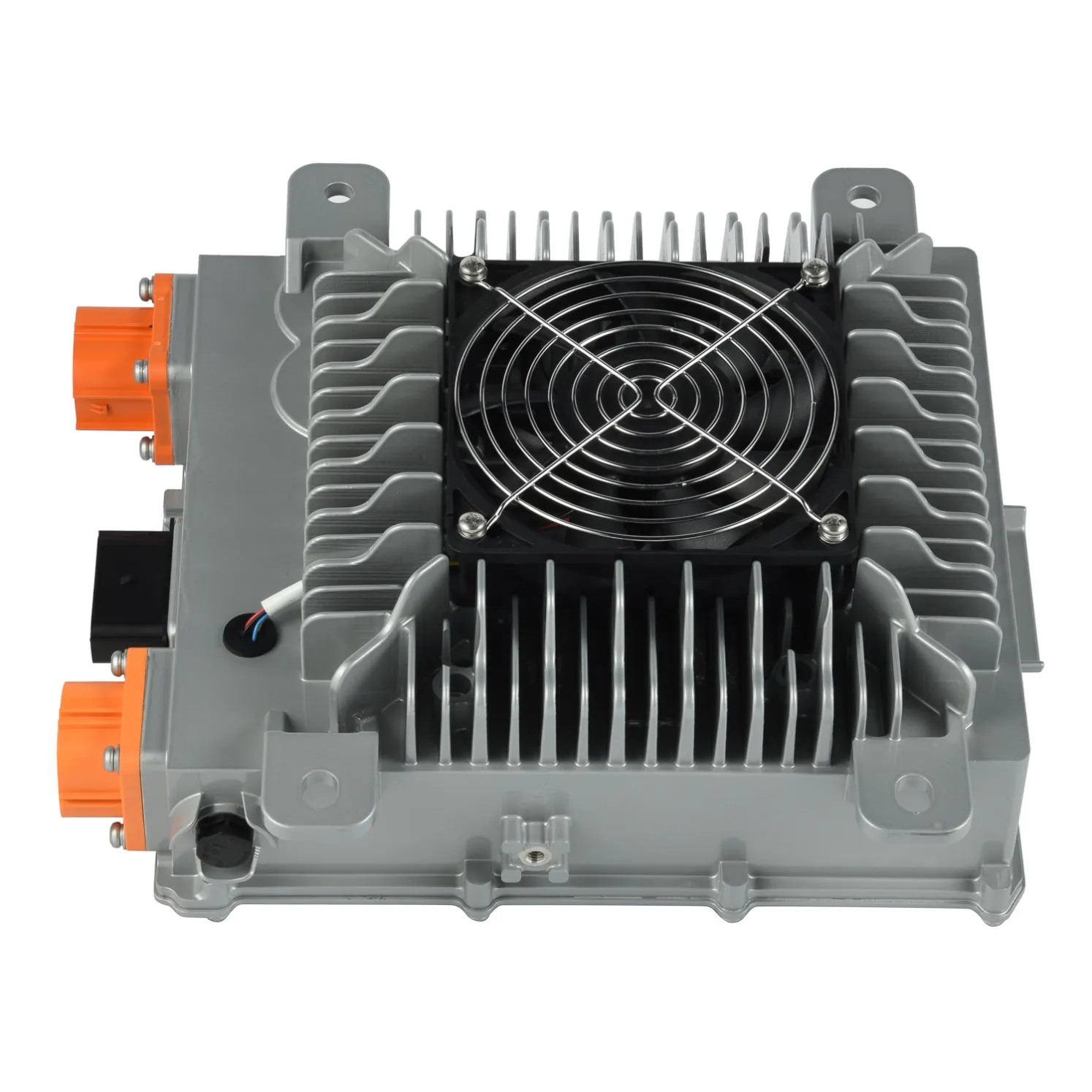
6.6kW OBC — Standalone 6.6kW onboard charger for 96V and 320V battery platforms, 90–264Vac input, 6.6kW at 220Vac and 3.3kW at 110Vac, with CAN bus communication and air cooling.
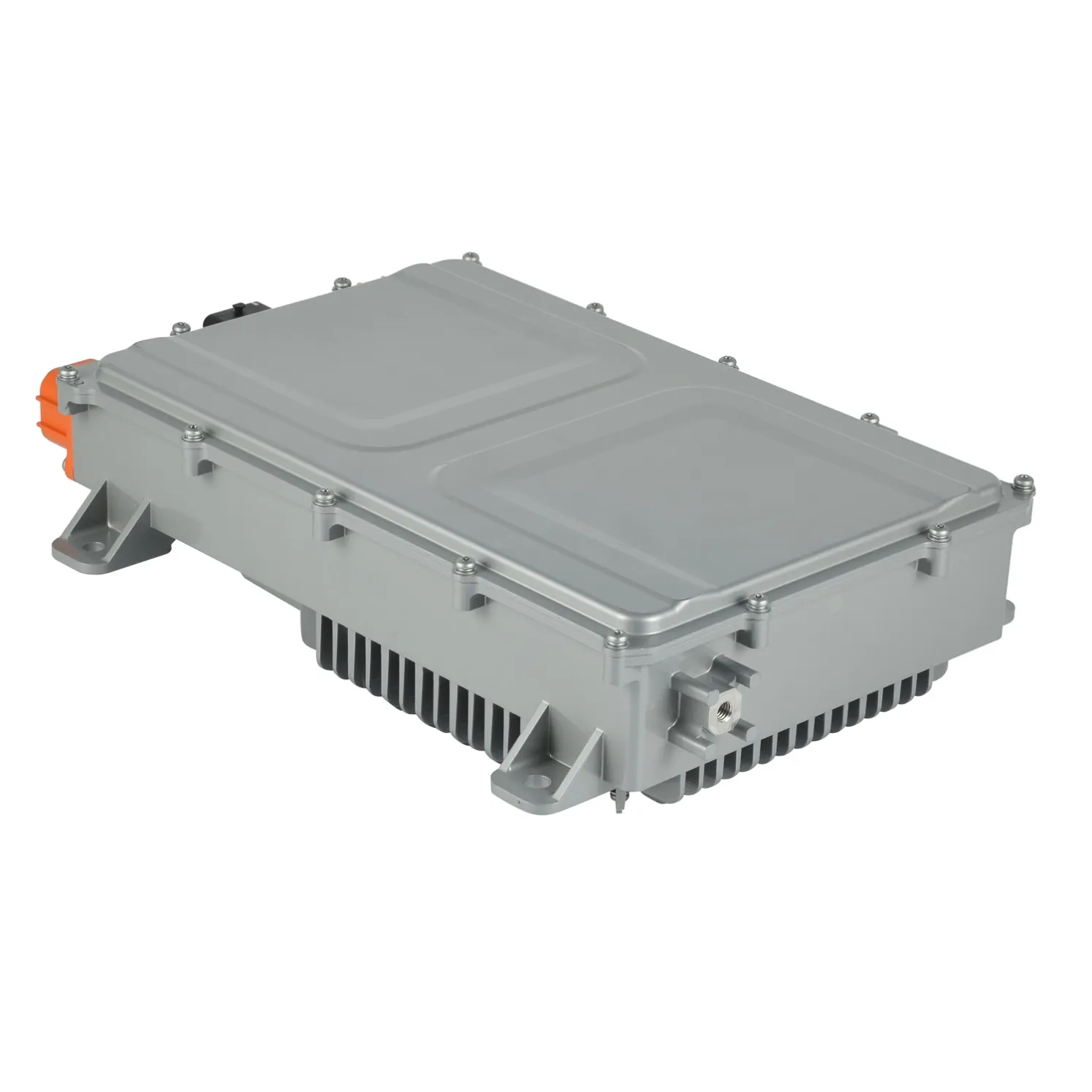
3.3kW OBC — Standalone 3.3kW onboard charger for 72V and 96V battery platforms, 90–264Vac input, 3.3kW at 220Vac and 1.65kW at 110Vac, with CAN bus communication and air cooling.
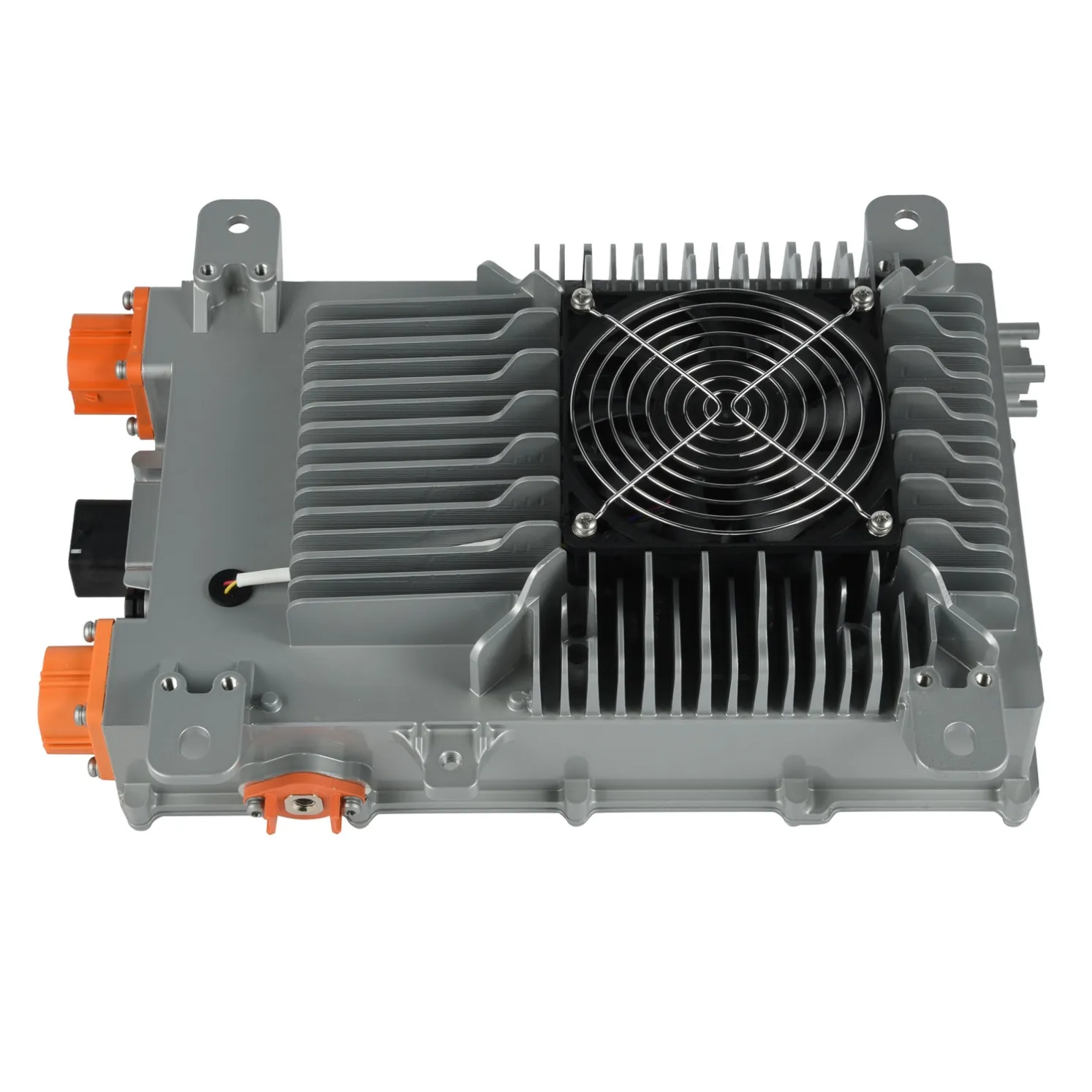
6.6kW OBC + 1.5kW DC-DC 2-in-1 — 6.6kW onboard charger with 1.5kW DC-DC converter in one integrated module for 96V and 320V platforms, with CAN communication and IP67 protection.
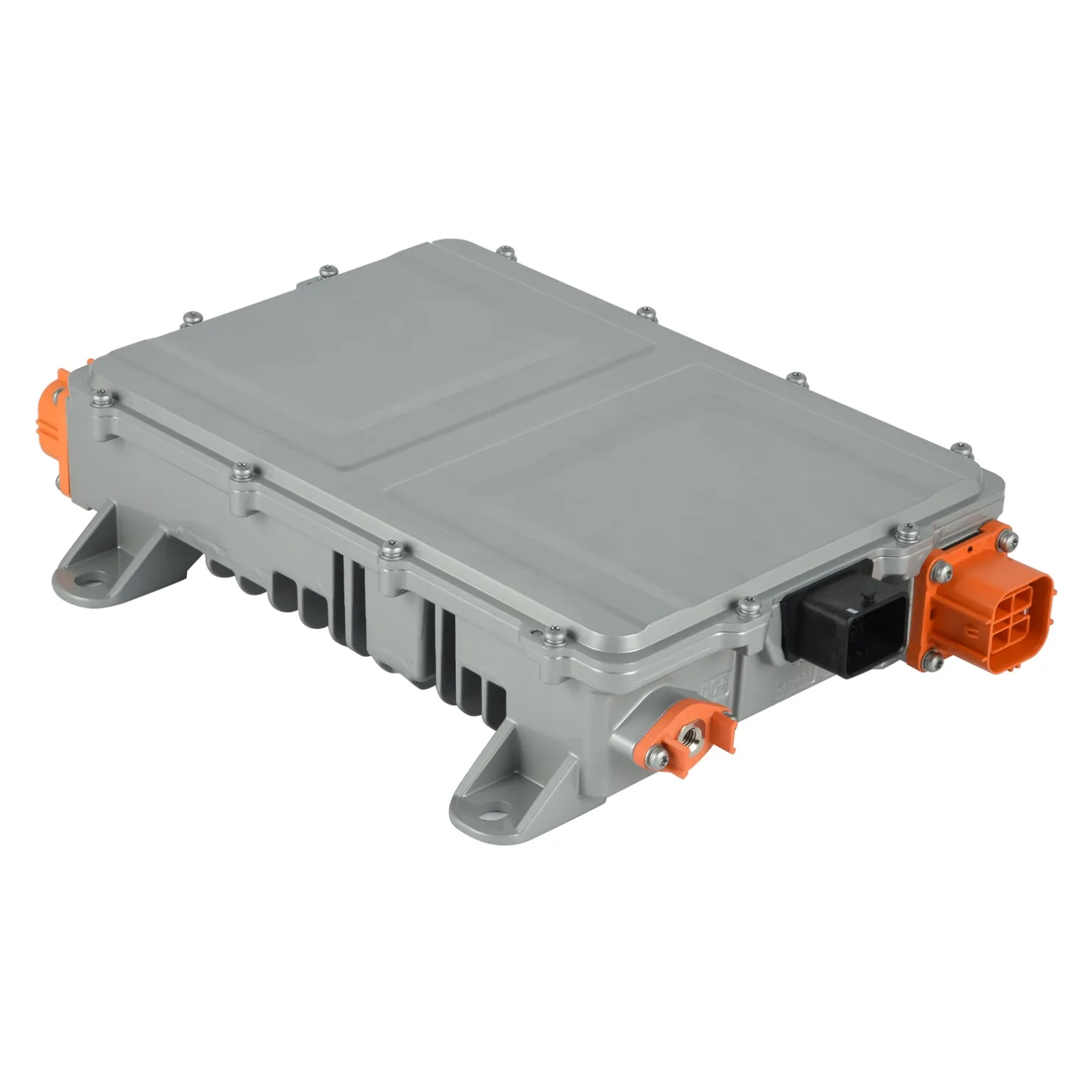
3.3kW OBC + DC-DC 2-in-1 — 3.3kW onboard charger with integrated DC-DC converter for 96V and 320V platforms, for lighter-duty vehicles that do not need 6.6kW charging.
Frequently Asked Questions
Does a 110V supply mean the charger cannot be used?
No. The charger works at reduced power: the 6.6kW unit delivers 3.3kW at 110Vac, the 3.3kW unit delivers 1.65kW, and the 2kW 2-in-1 delivers 1kW. The schedule changes, not the hardware. Confirm the voltage at the real charging locations before promising a charging window.
Did Echelon supply chargers or vehicles for the APEC fleet?
No. Echelon did not supply vehicles or charging hardware for the APEC Shenzhen official fleet. The fleet used Denza and Hongqi vehicles with their own charging systems. This guide draws the specification lesson from how the fleet operated — charging wherever its routes ended — and applies it to onboard-charger selection.
What does a 90–264Vac input range actually cover?
Grid supplies from Japan's 100V to the 220–240V grids of China, Australia, and Southeast Asia, including North America's 120V and Taiwan's 110V. One unit accepts the whole span; the power it delivers varies with the supply, so the fleet schedule must be planned on the lowest-voltage figure.
Can one 110V 220V onboard charger serve a fleet that operates in both 110V and 220V markets?
Yes — that is the point of a wide AC input range. Size the overnight charge on the 110V figure; if it does not cover the day's energy use, step up a power class, extend the stop, or use a higher-voltage supply. Charging voltage, charging current, and CAN are configurable for OEM projects.
Does a 110V supply also reduce the DC-DC output?
No. In a 2-in-1 unit the DC-DC stage runs from the traction battery, so its low-voltage output does not drop with the AC supply. What slows down on 110V is the traction-battery charge, not the auxiliary supply.
Next Step
Send the Echelon team the battery platform, the AC supply voltages at the real charging locations, the daily duty cycle and charging windows, and the auxiliary load list, and ask which wide-AC-input configuration fits the fleet's markets.
Contact Echelon directly: Email nancy@tici-energy.com · WhatsApp +86 18114665311.
Use the contact form on the contact page to start the discussion, and see how a custom programme is scoped on the OEM/ODM page.