
7 Questions to Ask an OBC Manufacturer Before Placing a Volume Order
Before a volume OBC order, ask these 7 questions on versions, traceability, containment, corrective action, change notice, validation and batch communication.
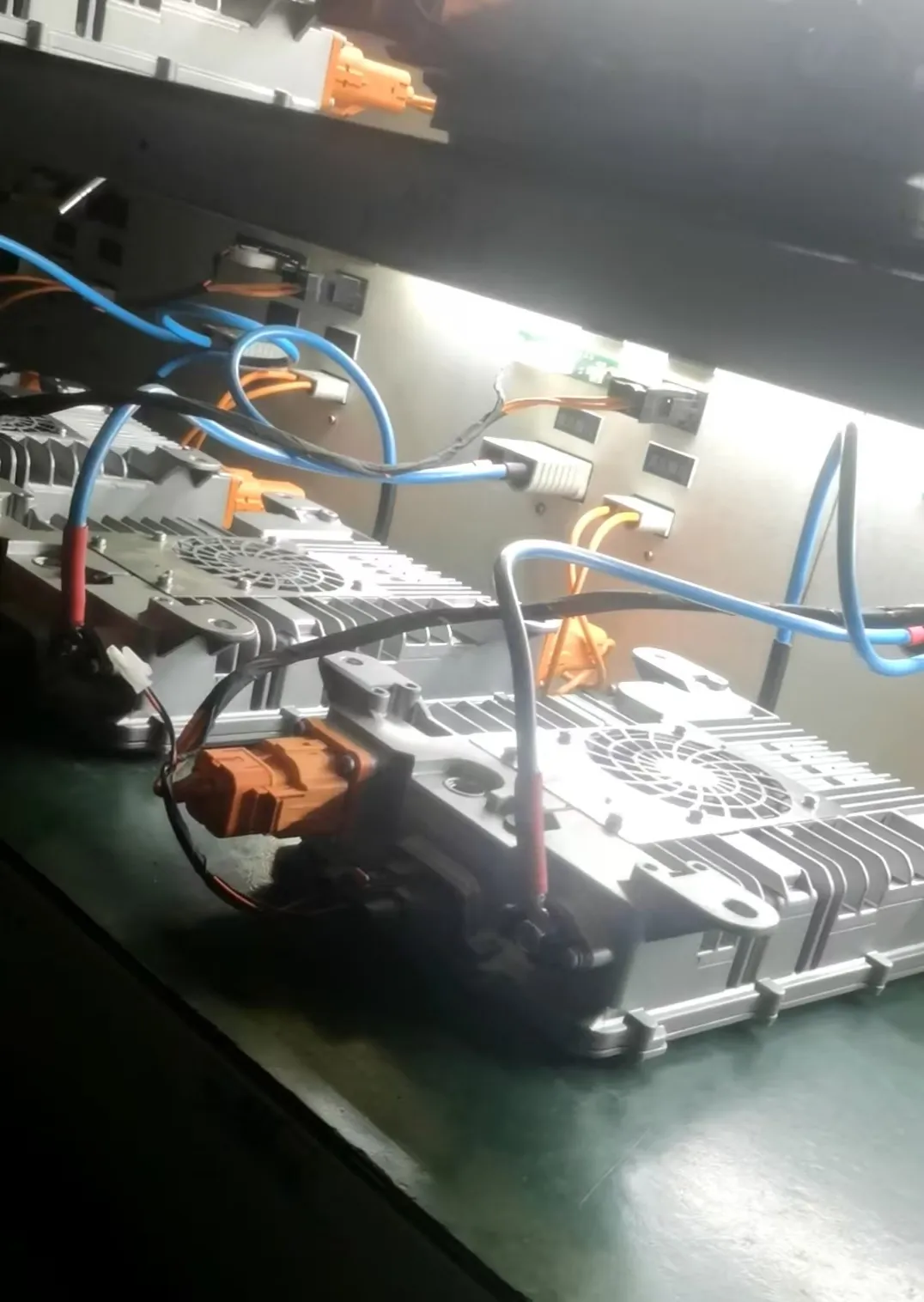
A volume order commits a vehicle programme to one onboard charger (OBC) manufacturer, including its versions, processes and support, for the life of the build. The questions to ask an OBC manufacturer before that commitment should test two things: whether the unit delivered in volume will match the unit that was approved, and what happens if a batch problem appears later. This article gives seven questions, grouped so a buyer or supplier quality engineer can work through them in a single supplier review. It is written for a buyer whose shortlist is already set and who is checking the supplier's commitments before signing. Screening suppliers in the first place is covered in How to Choose an onboard charger OBC Manufacturer in China: 2026 Buyer's Checklist, and the technical selection checks in How to Choose an On-Board Charger Supplier for Commercial EV Projects; this article does not repeat either list.
Key takeaways
- Ask about versions first. A volume order is only safe when hardware, software, connector and test versions are recorded and controlled.
- Traceability and containment decide how small a batch problem stays. Ask how far a suspect batch can be traced, in both directions.
- A corrective action is only finished when its effect has been confirmed. Ask who confirms it, and with what evidence.
- Change notice must be agreed before the order, not discovered after a delivery changes. Ask what changes trigger notice and approval.
- Validation evidence must match production-intent units. Ask what is complete, what is still open, and what closes each open item.
The 7 Questions at a Glance for an OBC Volume Order
Use this table as a volume order OBC checklist. Each question maps to a record a buyer should be able to file. A verbal answer with no record behind it is not a strong answer.
| # | Question | What a strong answer includes |
|---|---|---|
| 1 | Do the sample and production units share the same recorded versions? | A version list covering hardware, software, connector, harness and test software, with the approved sample version identified. |
| 2 | Which changes trigger notice to the buyer, and which need approval? | Written change-notice terms naming the change types, the notice period and the approval step, before any change ships. |
| 3 | How are defects contained, and how far does traceability reach? | A containment method, a traceability chain from finished unit to component lot and shipment, and a stated time to identify affected units. |
| 4 | How are quality issues recorded, graded and owned? | An issue record with stage, source, owner, department responsibility and planned and actual completion dates. |
| 5 | What separates a temporary fix from a permanent corrective action? | A definition of each, the conditions for moving from one to the other, and the evidence that closes each stage. |
| 6 | Who confirms that a corrective action worked, and how? | A named confirmer, a confirmation method, a confirmation date, and a rule that closure without confirmation does not count as solved. |
| 7 | What gate evidence is complete before volume release? | A stage-evidence list naming what each build stage proved, which items are still open, and what evidence closes each open item. |
These OBC manufacturer evaluation questions work for a standalone OBC and for an integrated unit. For a 2-in-1 unit, ask each version and validation question for both functions, not only for the charging side. The guide on OBC + DC-DC integration explains how the two sides of a 2-in-1 interact, which helps a buyer frame the version questions correctly.
Questions 1-2: Are the Sample and Production OBC Versions the Same?
Question 1 tests version parity: the production unit must match the approved sample in every recorded version, and any difference must be recorded, not assumed away. Samples are not all built the same way, so ask which kind of sample was approved and what configuration was frozen; Evaluating an OBC or DC-DC Sample: What the First 72 Hours Should Prove explains the sample types and the frozen-configuration step. Ask for the version list that applied to the approved sample, and the version list that will apply to the first volume batch. Compare them line by line: hardware revision, software or firmware version, connector and harness part numbers, and the test software version used at end-of-line test.
Question 2 tests OBC change notice. Versions will change over a programme life. What matters is whether the buyer learns about a change before it ships, and whether some changes need buyer approval first. Ask which changes trigger notice, which need approval, and how much notice the buyer receives. Strong terms name change types in plain language, for example a connector substitution, a software update or a process change, and state what happens if the buyer does not approve. Weak terms say only that the supplier will "inform the customer" with no trigger list, no timing and no approval step.
What to ask for:
- The approved-sample version list, with each versioned item named and dated.
- The planned first-batch version list, in the same format, so the two can be compared.
- The change-notice terms, naming trigger changes, notice timing and approval requirements.
- The re-approval rule: which changes require a new sample decision before volume continues.
Before the supplier review, it also helps to have the buyer's own inputs ready. The OBC RFQ checklist lists what a manufacturer should provide before requesting a quotation. This article takes the opposite direction: what the buyer should ask the supplier. Use the two lists together and do not confuse them.
Questions 3-4: How Are OBC Defects Contained and Traced?
Question 3 tests containment and traceability. Containment means stopping suspect units from reaching more vehicles while the cause is investigated. Traceability means identifying which units, batches and shipments are affected. Ask how a suspect lot is identified, how quickly affected units can be listed, and whether traceability runs both ways: from a finished unit back to its component lots, and from a component lot forward to every finished unit and shipment that used it. Also ask where containment applies: at the supplier's finished-goods stock, in transit, at the buyer's incoming stock, and in vehicles already built. A containment answer that only covers the supplier's own warehouse leaves the largest exposure untouched.
Question 4 tests how issues are recorded and owned. Ask what fields an issue record contains, who owns the issue, which departments share responsibility, and how planned and actual completion dates are tracked. A useful record states the project stage and the source, such as design review, DV trial, PV trial, small-batch production or mass production, so that issues found late are not treated the same as issues found early. Ask how severity is graded and who assigns the grade, and how the grade changes the response. Do not accept a grading answer that has no written definitions behind it. Ask to see the definitions, and ask what happens when the buyer and the supplier disagree on a grade.
What a strong answer looks like: the supplier can describe the record, the owner, the grading definitions and the traceability chain without referring to any specific past case, and can show blank forms or written procedures that match the description. What a weak answer looks like: the supplier describes a general intention to "handle problems quickly" but cannot name the record, the owner or the traceability method.
Questions 5-6: What Happens After an OBC Corrective Action?
Question 5 separates a temporary fix from a permanent corrective action. A temporary fix, often called containment, limits the immediate effect. A permanent corrective action addresses the cause so the problem does not recur. Ask the supplier to define both terms as they use them, and to state the conditions for removing containment. A useful test is to ask what would happen if containment were removed tomorrow: if the answer depends on the permanent action being verified, the distinction is real. If containment has no removal condition, it may quietly become the permanent state, which hides the underlying cause.
Some suppliers use a structured method for this work, such as 8D problem solving, a step-by-step method for containment, root-cause analysis, corrective action and verification. Whether or not a named method is used, ask the same underlying questions: what caused the issue, what stops it reaching more units now, what prevents it recurring, and what evidence proves each step.
Question 6 tests effectiveness confirmation. Closing an issue record is one thing. Confirming that the corrective action actually works is another. Ask who confirms effectiveness, what method they use, and where the confirmation and its date are recorded. Ask whether confirmation uses data from production units, from test units, or from a re-run of the original failing check. Ask what happens if the confirmation fails: is the issue reopened, and does containment return? A strong answer names a confirmer who is not the same person who implemented the fix alone, and treats a failed confirmation as a reopened issue rather than a closed one.
Question 7: What OBC Gate Evidence Is Complete Before Volume?
Question 7 tests gate evidence, not test scope. Ask for the evidence list by build stage: design review, DV trial, PV trial and small-batch production, up to mass production. For each stage, ask which units were used and whether they matched the production-intent design, tooling and process. Evidence from hand-built samples proves less about volume production than evidence from production-intent units, and the supplier should be able to say which is which. What checks belong in each stage is covered in EV On-Board Charger Performance Testing: What Manufacturers Should Check and How EV Charger Performance Testing Ensures Reliable Performance Before Mass Production; this question asks only whether the evidence for each stage exists, is complete, and is filed.
| Stage | Gate evidence that should exist | Open-item closure rule |
|---|---|---|
| Design review | Recorded design inputs, agreed requirements and the frozen specification version. | Open requirements are listed with owners; no stage advances on verbal agreement alone. |
| DV trial | Evidence that the design meets its requirements on DV units, with unit configuration recorded. | Each failed or untested requirement has a named closing check and a date. |
| PV trial | Evidence from production-intent units, tooling and process, with configuration recorded. | Gaps against the production-intent build are listed as open items, not carried silently into volume. |
| Small-batch production | Batch records, end-of-line results and traceability for the small batch. | Batch findings are recorded as issues with owners and closing evidence, following Questions 3–6. |
| Volume release | A gate decision record naming what is complete, what is open, and who accepted any residual risk in writing. | Volume release waits for closure, or proceeds only with named risks accepted in writing by the buyer. |
For a 2-in-1 unit, add one row to the same table: combined-load evidence, with both functions running together at the same time, is part of the gate evidence, not an optional extra. OBC + DC/DC 2-in-1 Integrated Power Modules: IP67, CAN and Sourcing explains why simultaneous worst-case load matters for integrated units. Confirm the ratings that apply to the specific model under discussion; do not treat a rating stated for one model as true for every model.
Also ask what is still open. An honest open-item list with owners and closing evidence is a stronger sign than a claim that everything is complete. If the supplier cannot separate complete items from open items, the buyer cannot judge the residual risk.
Red Flags: OBC Answers That Should Pause a Volume Order
These onboard charger supplier audit questions are designed to surface weak answers early. Any one of the following should pause a volume order until the gap is closed in writing:
- "The versions are the same." No version list is produced, or the sample and production lists are in different formats and cannot be compared.
- "We will inform you of changes." No trigger list, no notice period and no approval step are stated.
- "We can trace everything." No traceability chain is described, or traceability runs in one direction only.
- "Problems are handled by the quality department." No named owner, no cross-department responsibility and no completion-date tracking are shown.
- "The issue is closed." No effectiveness confirmation, confirmer or confirmation date is recorded.
- "Validation is complete." No stage-by-stage list is produced, or the tested units do not match the production-intent design.
- "That has never happened." The supplier answers a process question with a history claim instead of describing the process. Process questions need process answers.
A red flag is not proof that a supplier cannot perform. It is proof that the buyer does not yet have the evidence needed to place a volume order safely. The correct response is to request the missing record, not to accept a stronger verbal assurance. For warning signs in supplier screening, see How to Choose an onboard charger OBC Manufacturer in China: 2026 Buyer's Checklist; for warning signs in technical selection, see How to Choose an On-Board Charger Supplier for Commercial EV Projects and How to Choose an On-Board Charger for Commercial EVs: A 9-Point Engineering Checklist. This section covers only the commitment answers above.
How to Record the OBC Answers in Your Supplier File
Answers only help if they are recorded in a form the next reviewer can use. Use this EV charger procurement checklist step to file the review:
- ☐ Each of the 7 questions has a written answer, the name of the person who gave it, and the date.
- ☐ The version lists for the approved sample and the first volume batch are filed side by side, with differences marked.
- ☐ The change-notice terms are filed, with trigger changes, notice timing and approval requirements highlighted.
- ☐ The containment and traceability method is summarised in the file, with the stated time to identify affected units.
- ☐ The issue-record fields, grading definitions and ownership rule are filed, or their absence is recorded as an open item.
- ☐ The temporary-fix and permanent-action definitions, and the effectiveness-confirmation rule, are filed.
- ☐ The stage-by-stage validation list is filed, with complete and open items separated and owners named for open items.
- ☐ Open items have owners, dates and closing evidence agreed, and volume release is linked to their closure.
Keep the file with the purchase order record, not only with the engineering team. When a batch question arises months later, the file should answer it without a new round of supplier interviews.
Related reading: How to Choose an On-Board Charger (OBC) for Commercial EVs · OBC + DC-DC Integration: When Does a 2-in-1 Make Sense? · OBC RFQ Checklist: What EV Manufacturers Should Provide Before Requesting a Quotation · How to Choose an onboard charger OBC Manufacturer in China: 2026 Buyer's Checklist · How to Choose an On-Board Charger Supplier for Commercial EV Projects · Evaluating an OBC or DC-DC Sample: What the First 72 Hours Should Prove · How to Evaluate an EV Charger Manufacturer Before Starting a Partnership
FAQ
Should I ask these OBC questions before or after requesting a quotation?
Ask them before the volume order, and ideally alongside the quotation request. Version, change-notice and validation answers affect cost, timing and risk, so they are easier to agree while the commercial terms are still open. If a quotation has already been issued, ask them before signing the volume commitment, and record any agreed terms as part of the order.
What counts as a strong answer on OBC version control?
A strong answer is a dated version list that names every versioned item for the approved sample and for the planned production batch, in the same format. It also states which changes trigger notice, which need approval, and which changes require a new sample decision. A statement that versions "are the same" without a list does not count.
How do I verify a supplier's OBC containment claim?
Ask the supplier to describe the traceability chain and to show how a suspect lot would be identified in both directions, from finished unit to component lot and from component lot to shipments. Ask for the stated time to produce the affected-unit list, and ask where containment applies, including stock in transit and at the buyer. A claim that can be walked through step by step is verifiable; a general assurance is not.
What should happen if an OBC batch problem is found after delivery?
Containment should start by identifying affected units through traceability, including units in stock and units already built into vehicles. The supplier should notify the buyer with the scope, the containment step, the investigation plan and the timing for a cause and corrective action. The buyer should record the notification, agree the disposition of affected units, and require effectiveness confirmation before the issue is treated as solved.
Related Echelon Products
See the full range on the products page.
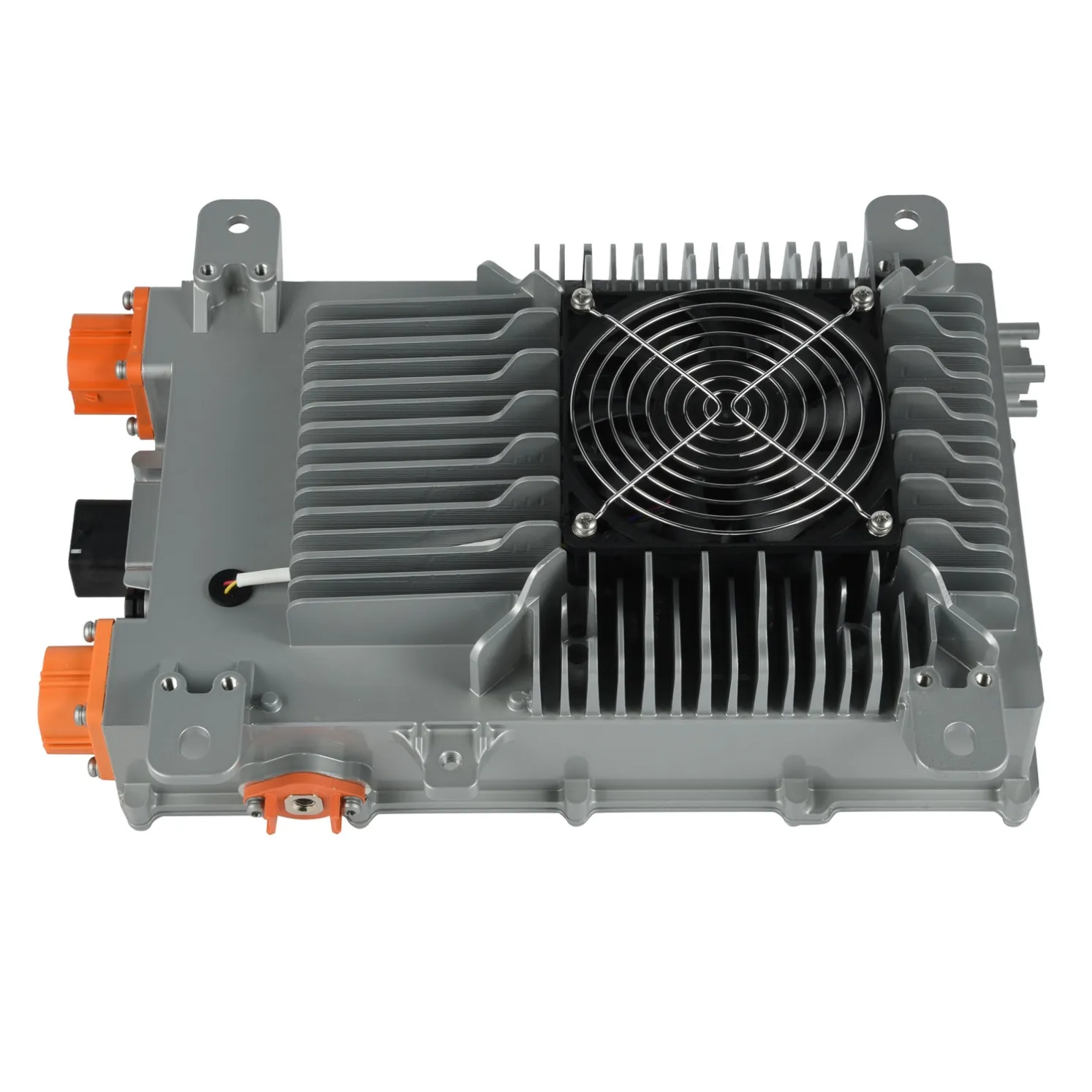
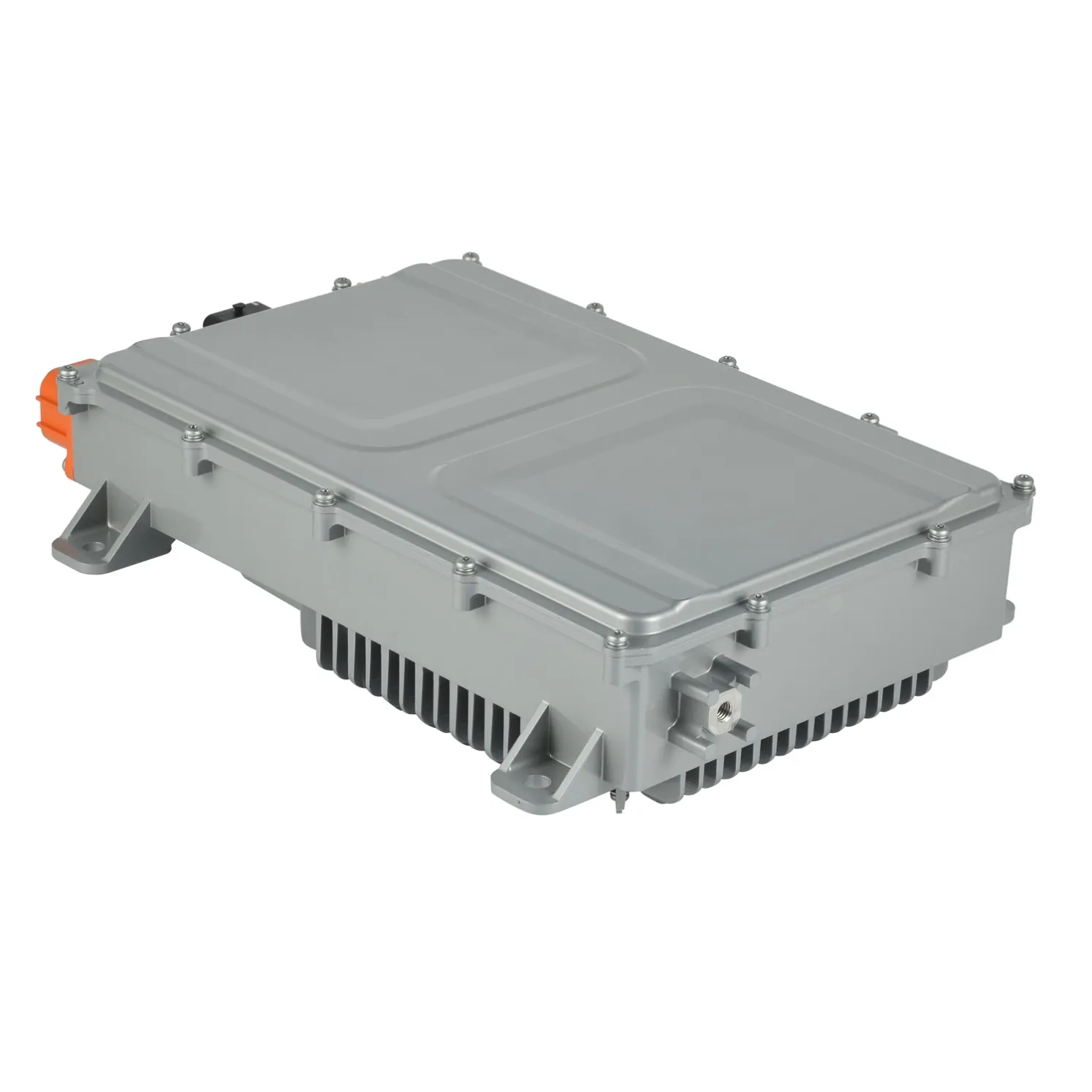
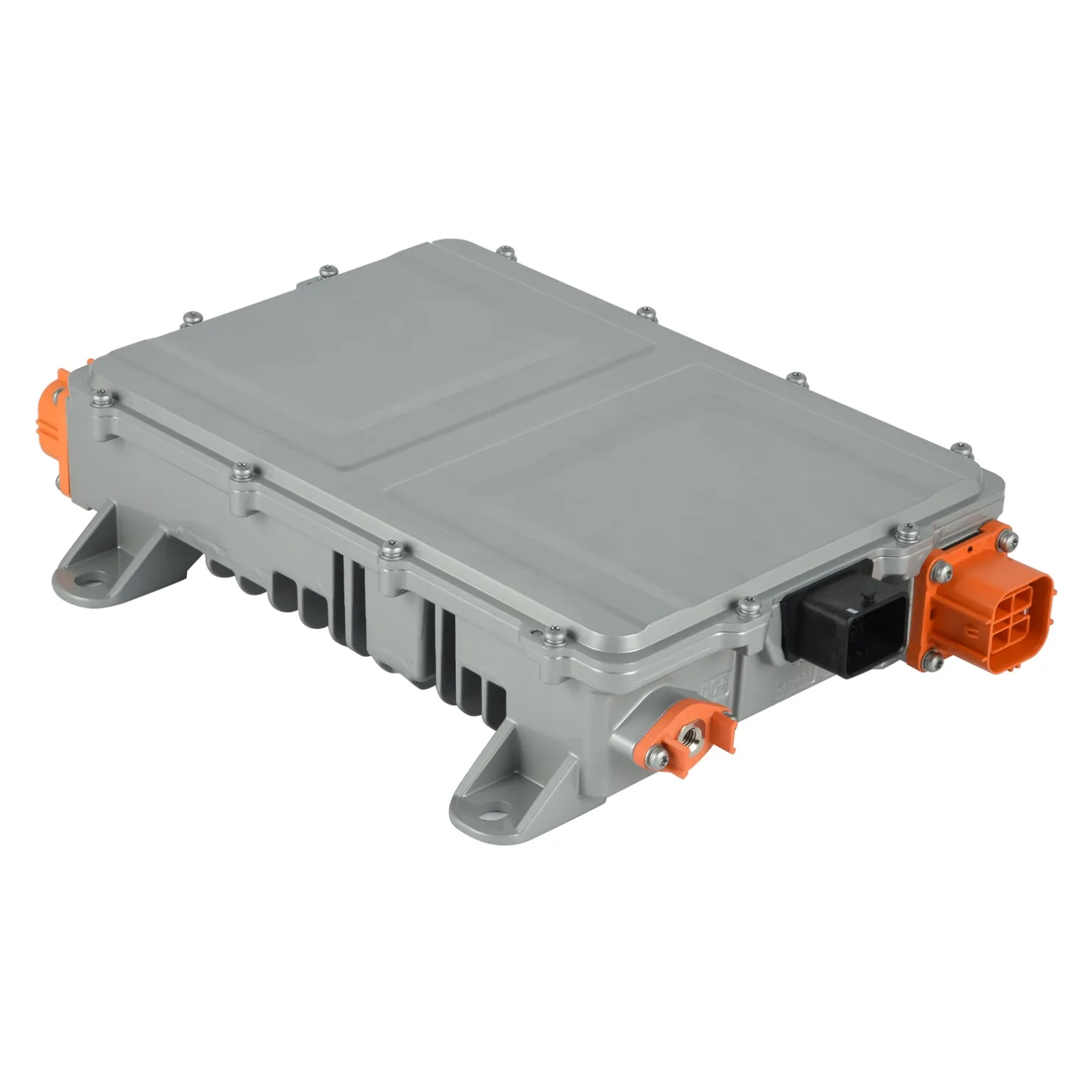
Confirm cooling, protection, CAN and efficiency for the specific model in its datasheet before you specify it. Do not treat a rating stated for one model as true for every model.
Next Step
Send the 7 questions to the supplier before the review meeting, and ask for written answers with the supporting records attached. Work through the red flags in the meeting, file the answers using the checklist above, and link volume release to the closure of open items.
To start that conversation with Echelon, share your vehicle and battery requirements through our contact page, and see how a custom programme is scoped on our OEM/ODM page. Before requesting a quotation, the OBC RFQ checklist lists the inputs that let Echelon quote accurately in one pass.
About Echelon Charger
Echelon Energy Technology specializes in onboard chargers, DC/DC converters, and integrated EV power solutions for commercial and specialty electric vehicles.
For technical discussions, product selection, or OEM/ODM cooperation:
Email: nancy@tici-energy.com
WhatsApp: +86 18114665311