OBC Engineering Lead Time: From Specification Freeze to Start of Production
How long does a custom on-board charger take? This guide breaks OBC lead time into specification freeze, prototype, validation, pilot and production release.
| Technical articles, application notes and engineering insights | Vehicle platforms, thermal design, testing and reliability

How long does a custom on-board charger take? This guide breaks OBC lead time into specification freeze, prototype, validation, pilot and production release.

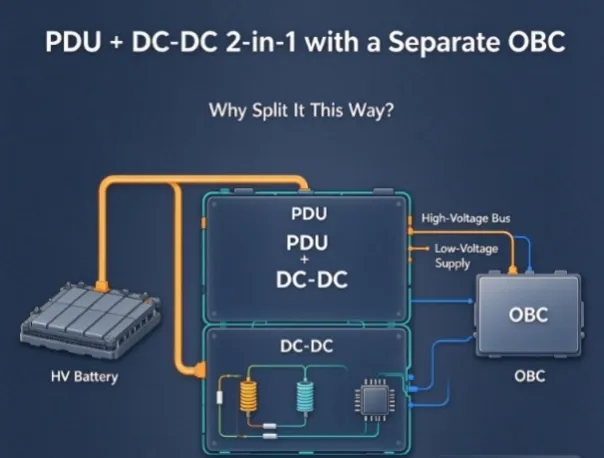
Why some EV platforms combine PDU with DC-DC and keep the OBC standalone: thermal duty cycles, variant flexibility, HV routing and the interfaces to agree.

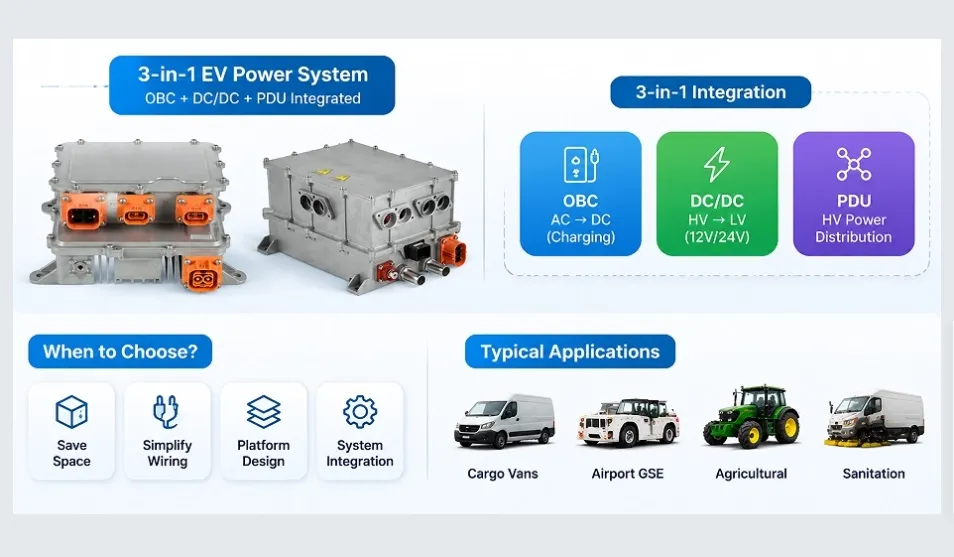
When should EV OEMs choose a 3-in-1 power system? Learn how OBC, DC-DC converters and PDUs work together, with key considerations for commercial and specialty EV integration.

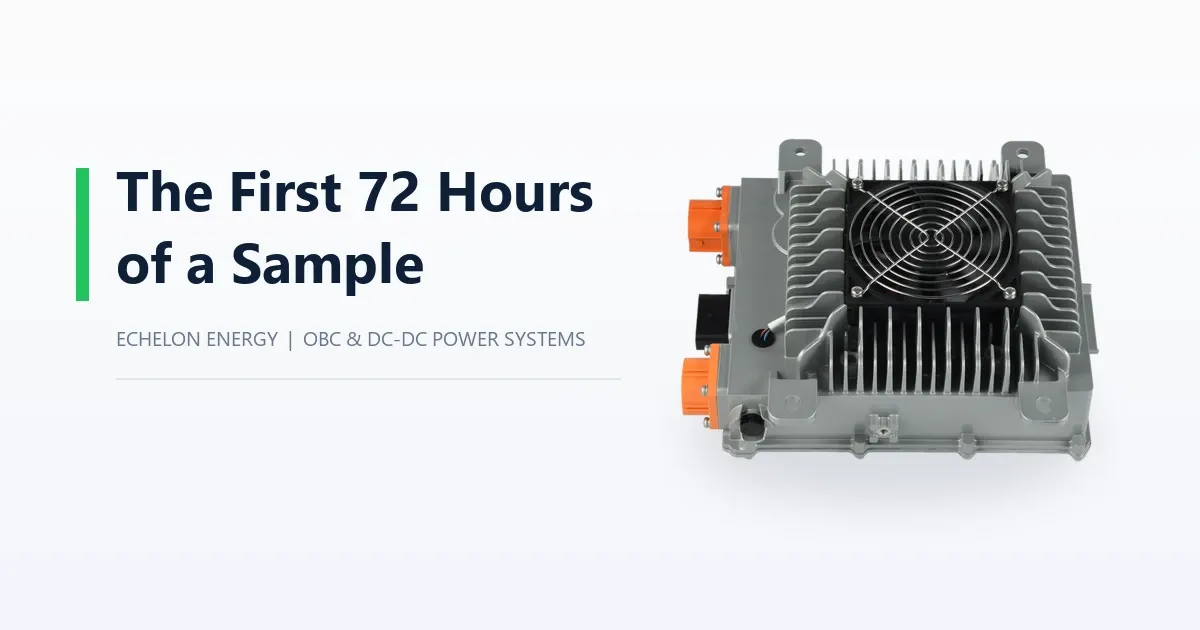
A sample that works is not yet a supplier you can scale with. What should arrive with the unit, what 72 hours of testing should prove, and what to settle before a batch order.

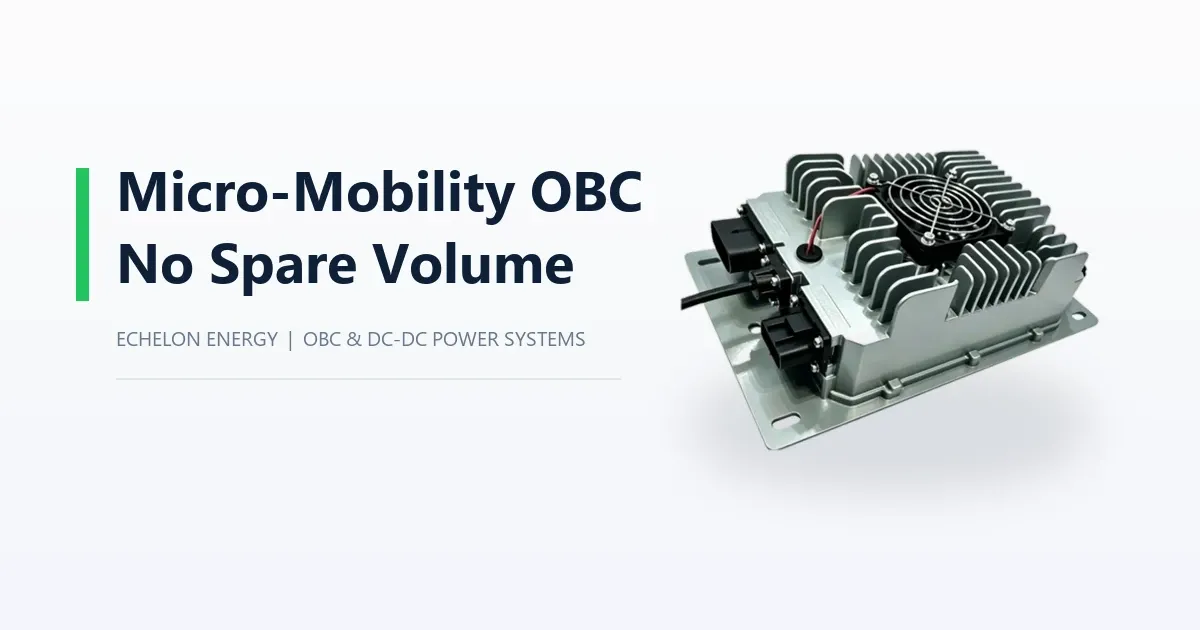
On a micro-mobility platform the charger is a measurable share of the vehicle. Voltage class from 48 V to 96 V, converter sizing, the 110 V derating trap and thermal limits.

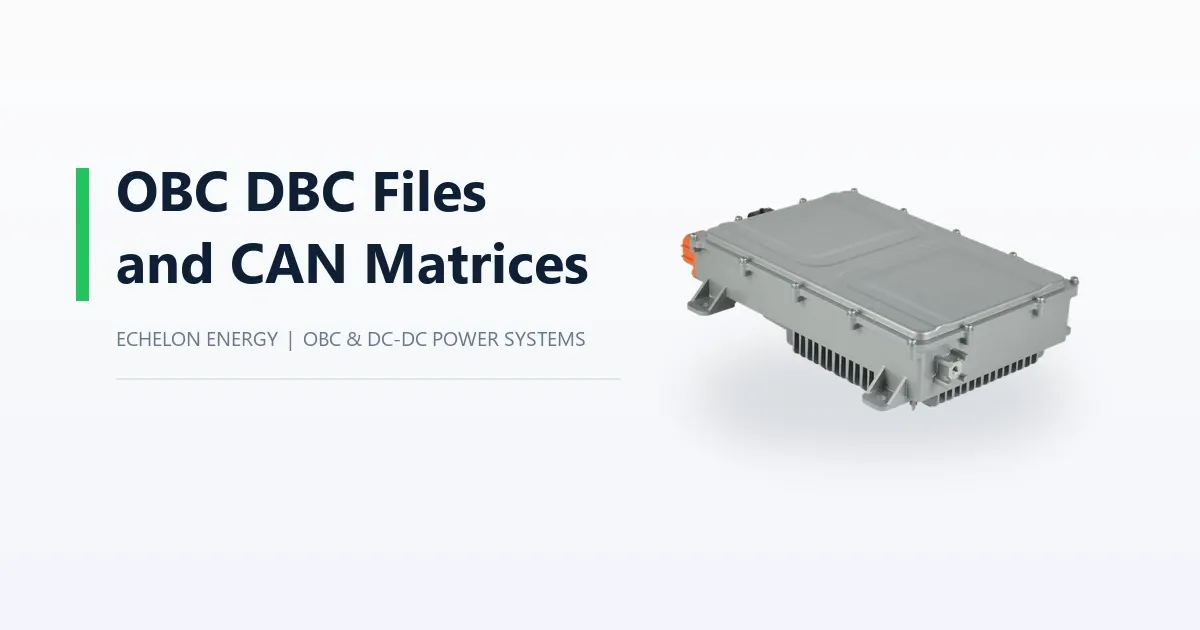
A DBC file is a signal dictionary, not a communication spec. What a charger DBC should contain, what it never describes, and how to validate it before the sample arrives.

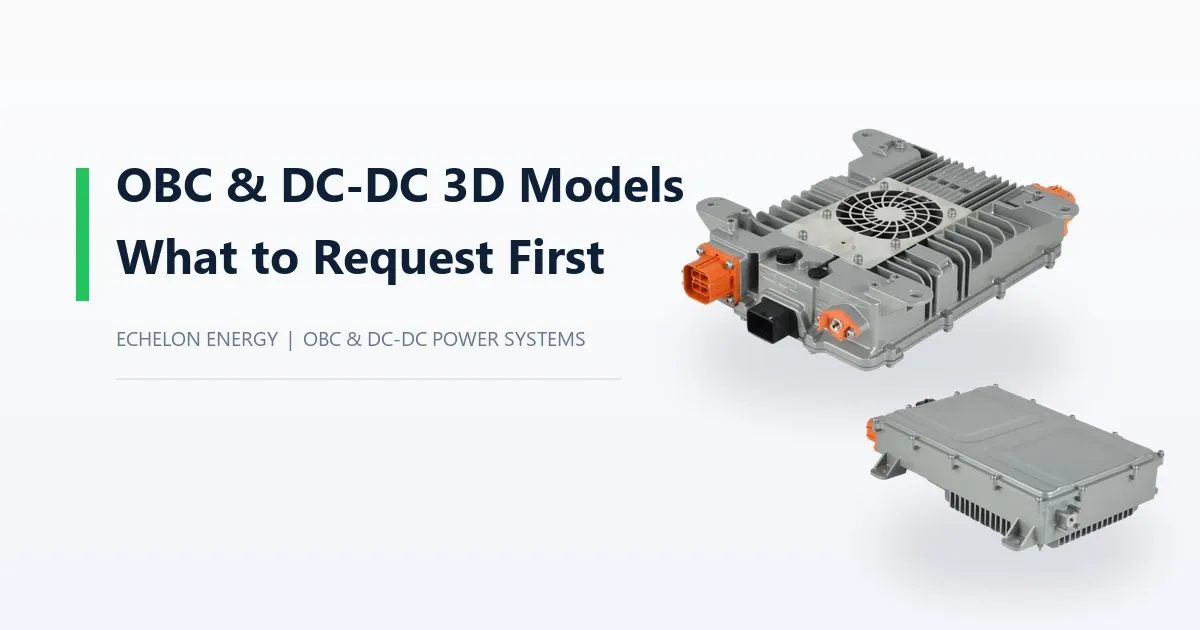
The CAD package to request from an OBC or DC-DC supplier, the checks to run once the model is in your assembly, and how to compare integrated and separate units by measurement rather than opinion.

Type 2 is not just an AC voltage question. What IEC 61851-1 adds at the vehicle side, who handles the Control Pilot signal, and what to check before releasing a European vehicle harness.

How OBC and DC-DC enable control works: when a hardware enable is required, when CAN is enough, and why the 12 V enable cannot be replaced by a bus command.
Recommended products
Explore onboard chargers, DC/DC converters and integrated power solutions related to the technical topics and applications covered in our articles.

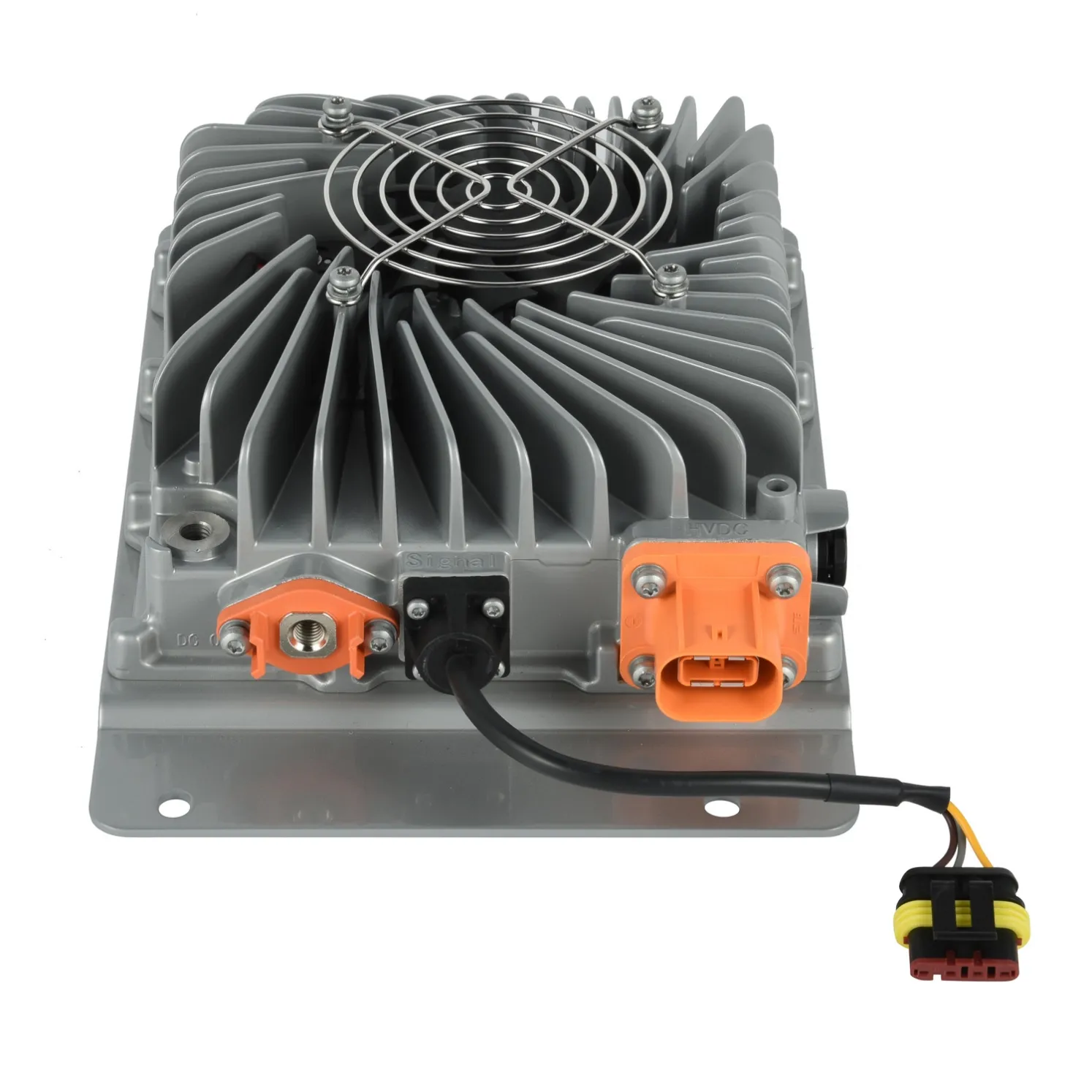
10kW DC charging module for 96V EV platforms: converts 250-350V DC from fast chargers to 70-150V DC for the traction battery, up to 100A, with ≥95% full-load efficiency, CAN communication with VCU/BMS, IP67 main unit and forced air cooling.

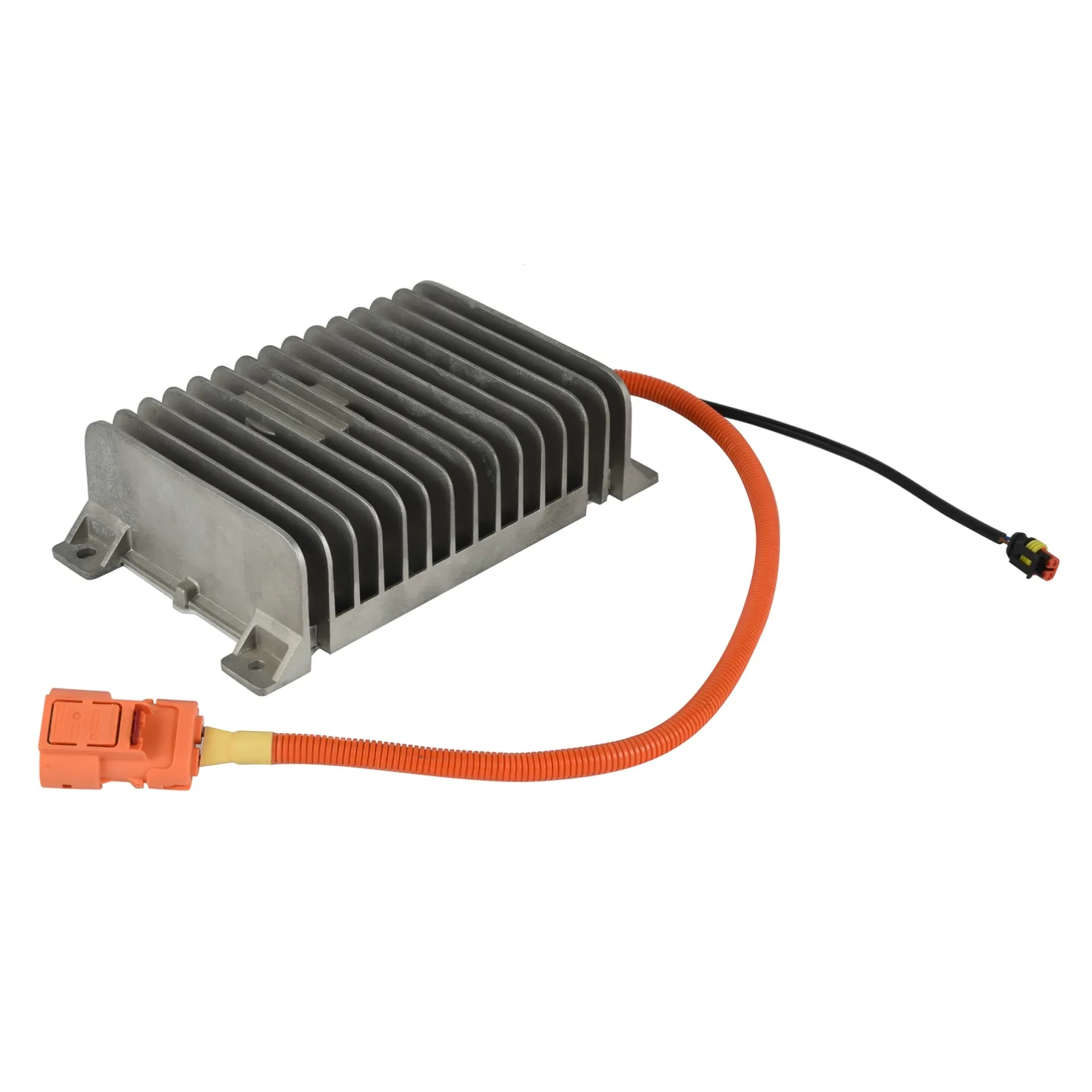
Fanless 1kW DC-DC converter for 48V, 72V and 96V EV platforms: 1000W rated power, 9-16V/72A output, ≥94% efficiency, natural cooling, IP67, CAN Bus.

Available in 72V, 96V, and 320V versions, this DC/DC converter delivers stable 9-16V DC output at up to 110A, with 1500W rated power and ≥94% maximum efficiency.

Designed for 96V battery systems, this compact DC/DC converter converts 64-133V DC input into stable 9-16V DC output. With 500W rated power, high efficiency and multiple protection functions, it provides a reliable low-voltage power solution for electric vehicles and auxiliary systems.