What Is a Bidirectional On-Board Charger? V2G and V2L Explained for EV Manufacturers
Learn what a bidirectional on-board charger is, how V2G and V2L modes work, and when commercial EV projects genuinely benefit from two-way power conversion.
| Technical articles, application notes and engineering insights | Vehicle platforms, thermal design, testing and reliability

Learn what a bidirectional on-board charger is, how V2G and V2L modes work, and when commercial EV projects genuinely benefit from two-way power conversion.

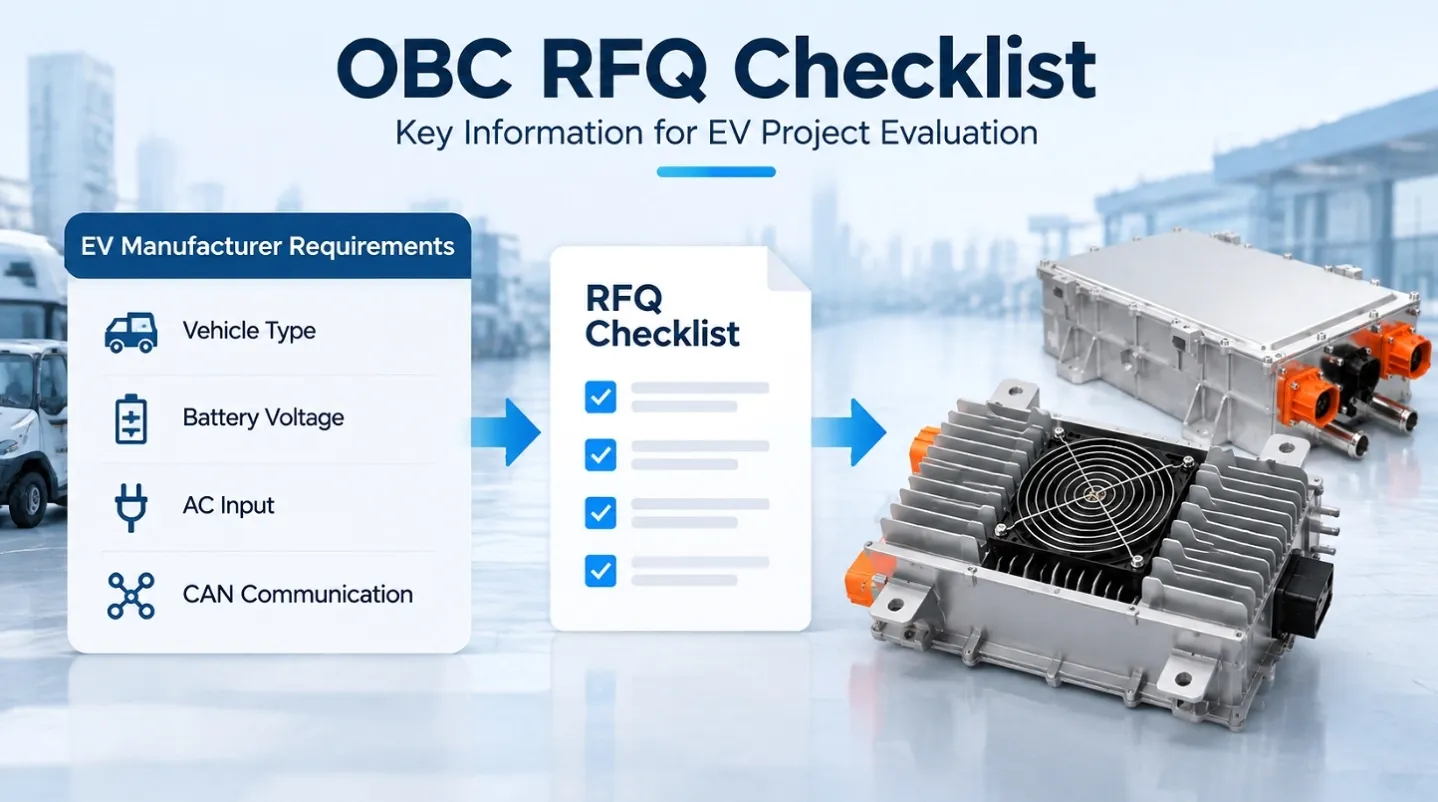
Compare 3.3kW and 6.6kW OBCs and learn how battery, AC input, charging time, thermal conditions and vehicle requirements affect charger power selection.

What information should EV manufacturers provide for an OBC quotation? Use this RFQ checklist covering battery, AC input, CAN, installation, quantity and project requirements.

Compare CKD local assembly and finished OBC/DC-DC procurement, including production equipment, testing requirements, investment and localization considerations.

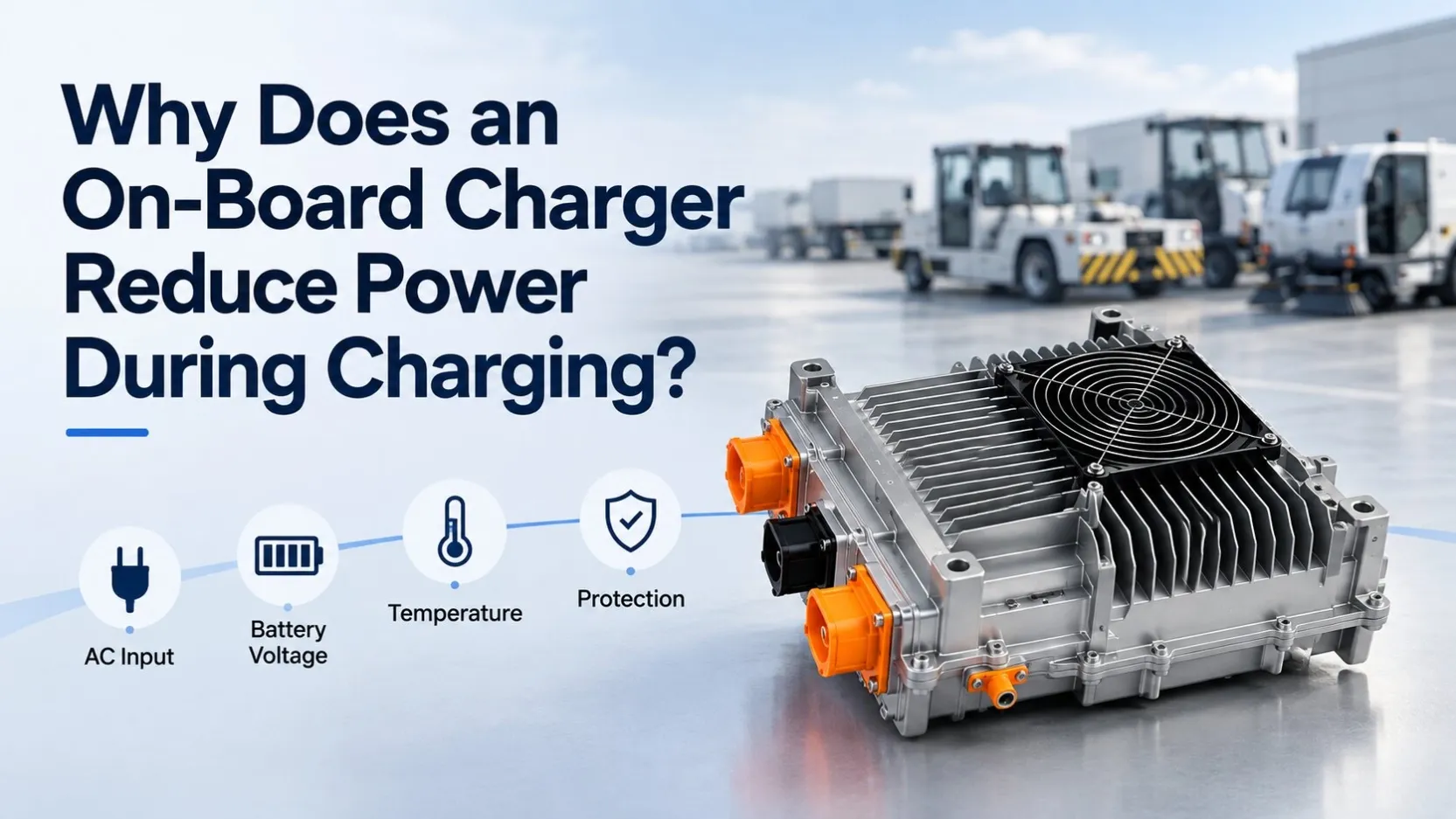
Learn why an EV on-board charger may operate below rated power due to AC input, battery voltage, output current limits, temperature and protection conditions.

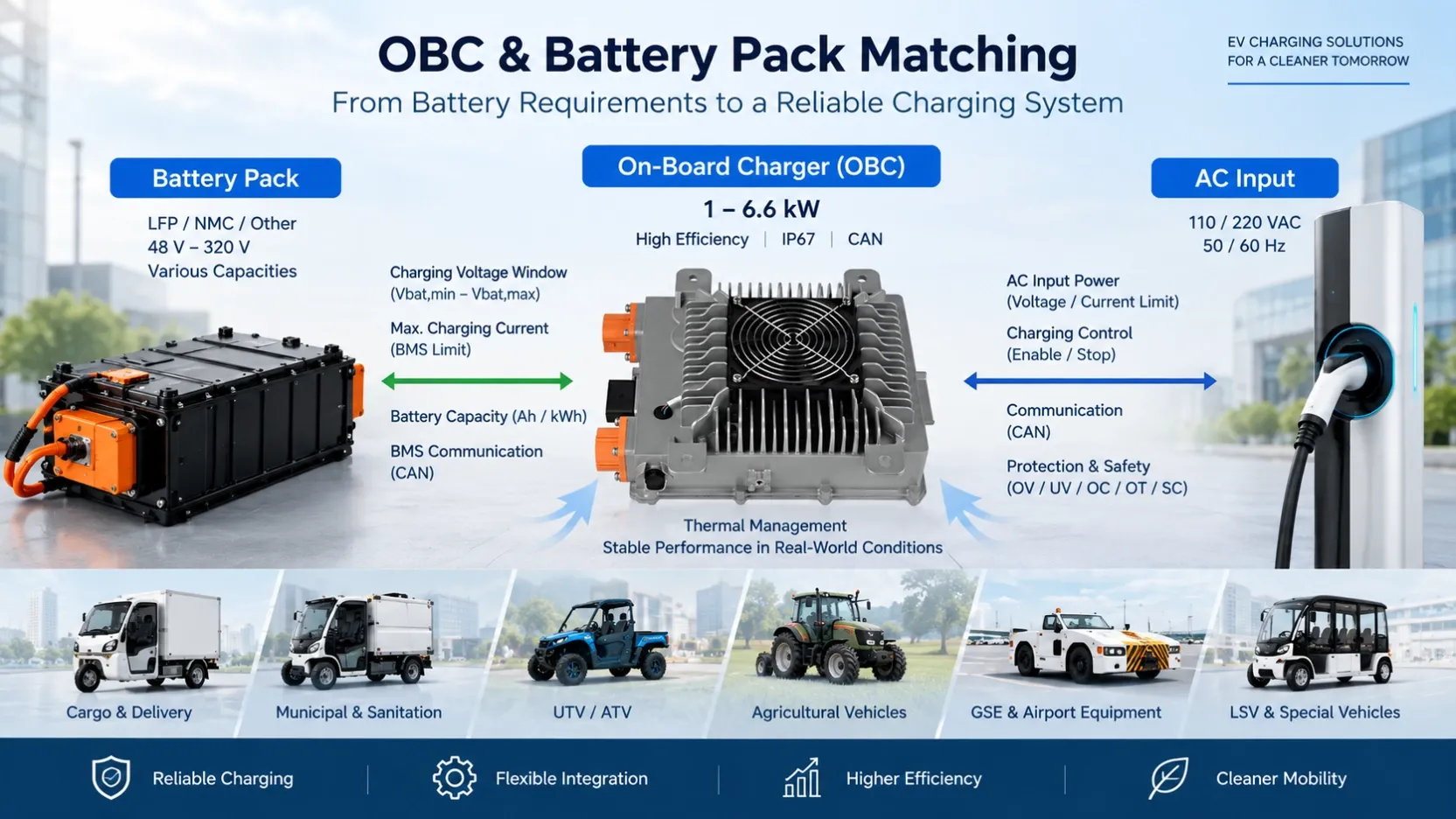
Learn how to match an EV on-board charger with battery voltage, charging current, BMS CAN control, AC input and thermal limits for reliable vehicle integration.

GSE Expo Europe 2026 brings together OEMs, system integrators, and engineers. Discover key e-GSE power conversion solutions, including 3.3kW/6.6kW OBCs & DC-DC converters.

An OBC and a battery pack each come with a datasheet - but compatibility is decided by four numbers that must be read side by side. Here is how to compare them before committing to a design.

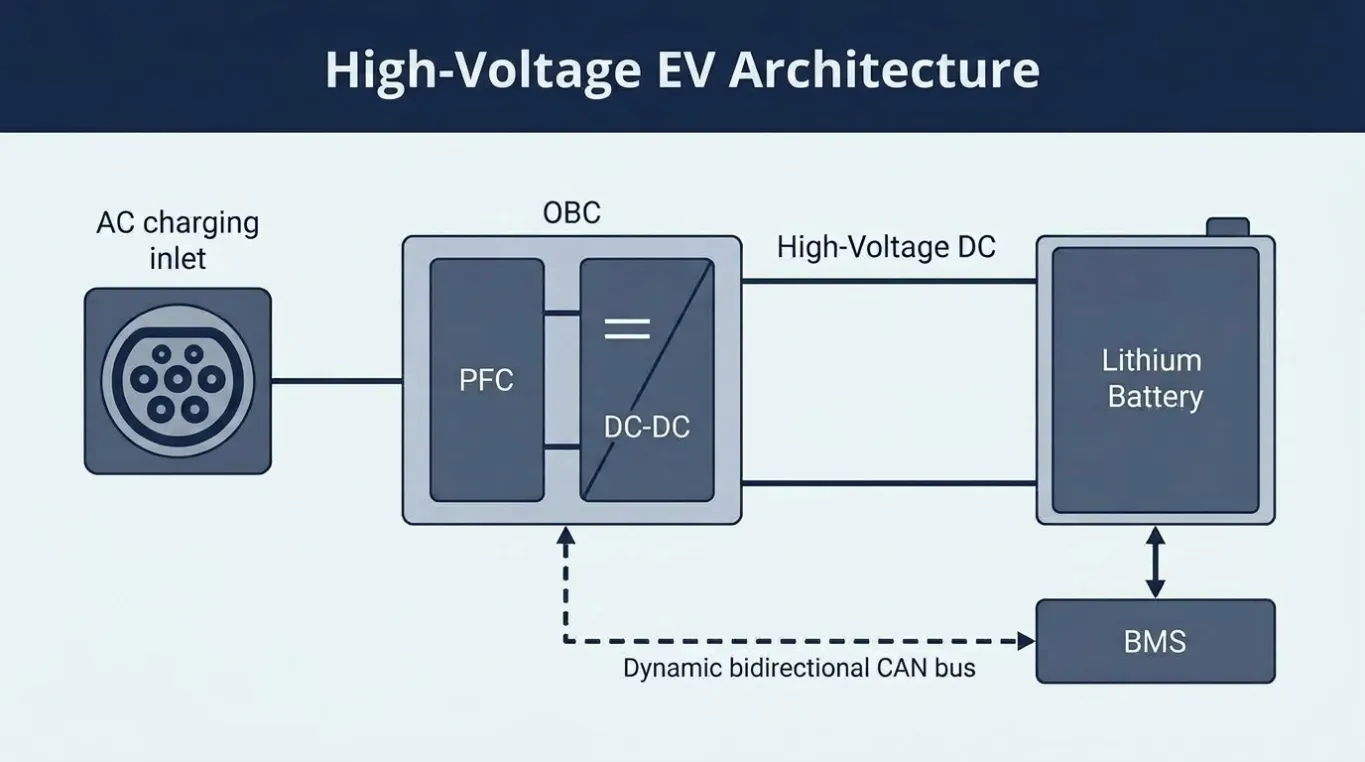
Before integrating an OBC into an EV CAN network, manufacturers should confirm CAN baud rate, message IDs, control logic, charging commands, status feedback, fault reporting and BMS/VCU compatibility.
Recommended products
Explore onboard chargers, DC/DC converters and integrated power solutions related to the technical topics and applications covered in our articles.

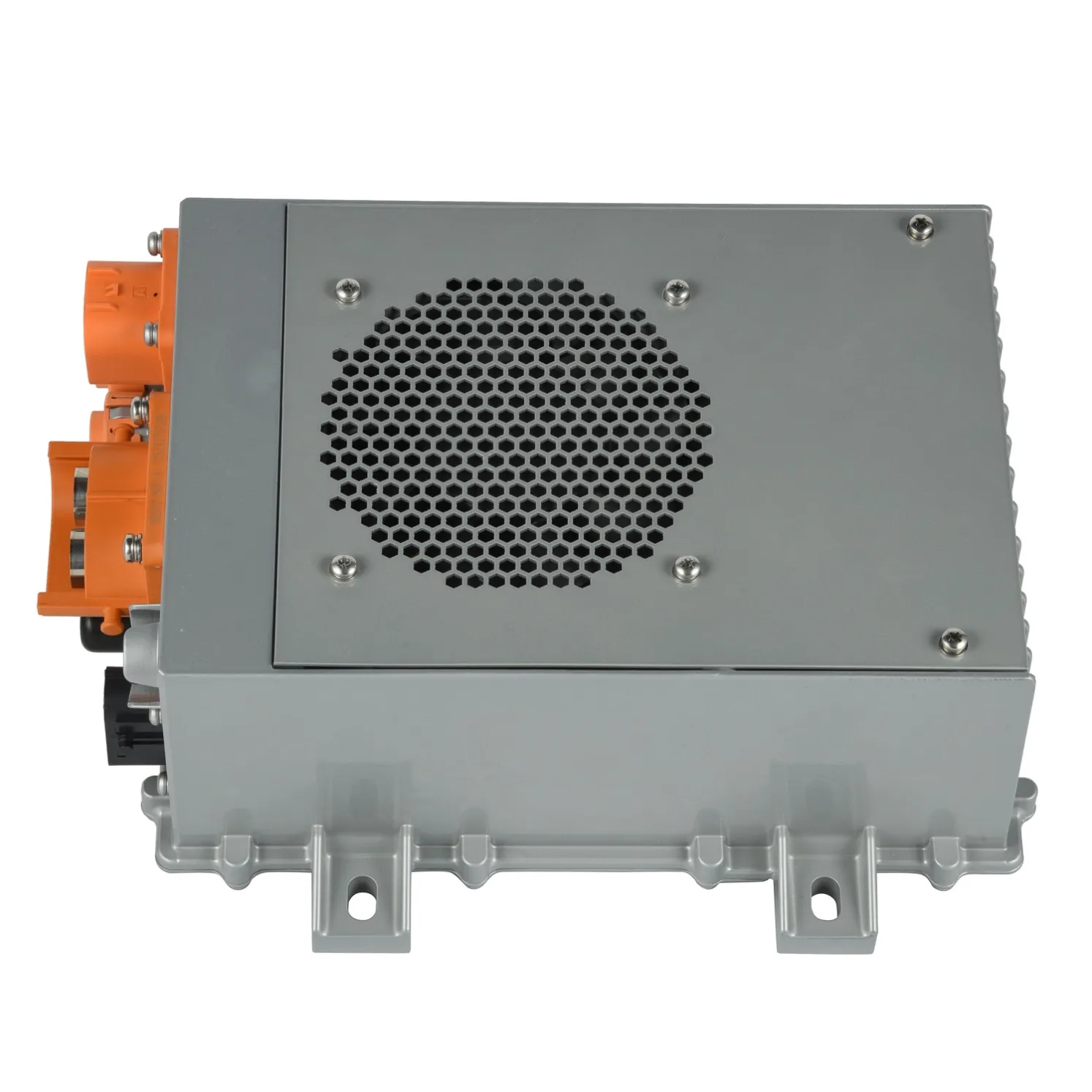
10kW DC charging module for 96V EV platforms: converts 250-350V DC from fast chargers to 70-150V DC for the traction battery, up to 100A, with ≥95% full-load efficiency, CAN communication with VCU/BMS, IP67 main unit and forced air cooling.

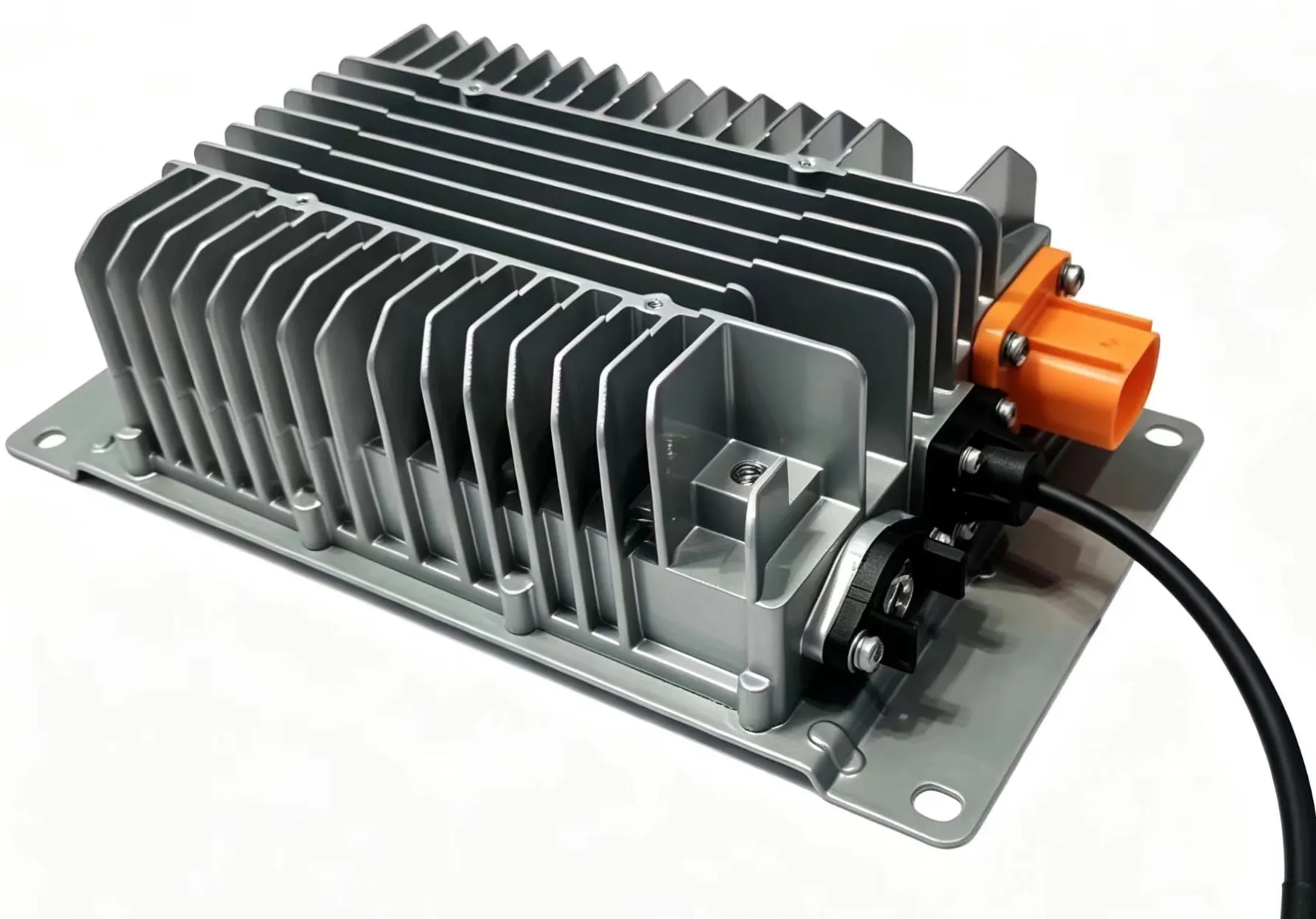
Fanless 1kW DC-DC converter for 48V, 72V and 96V EV platforms: 1000W rated power, 9-16V/72A output, ≥94% efficiency, natural cooling, IP67, CAN Bus.

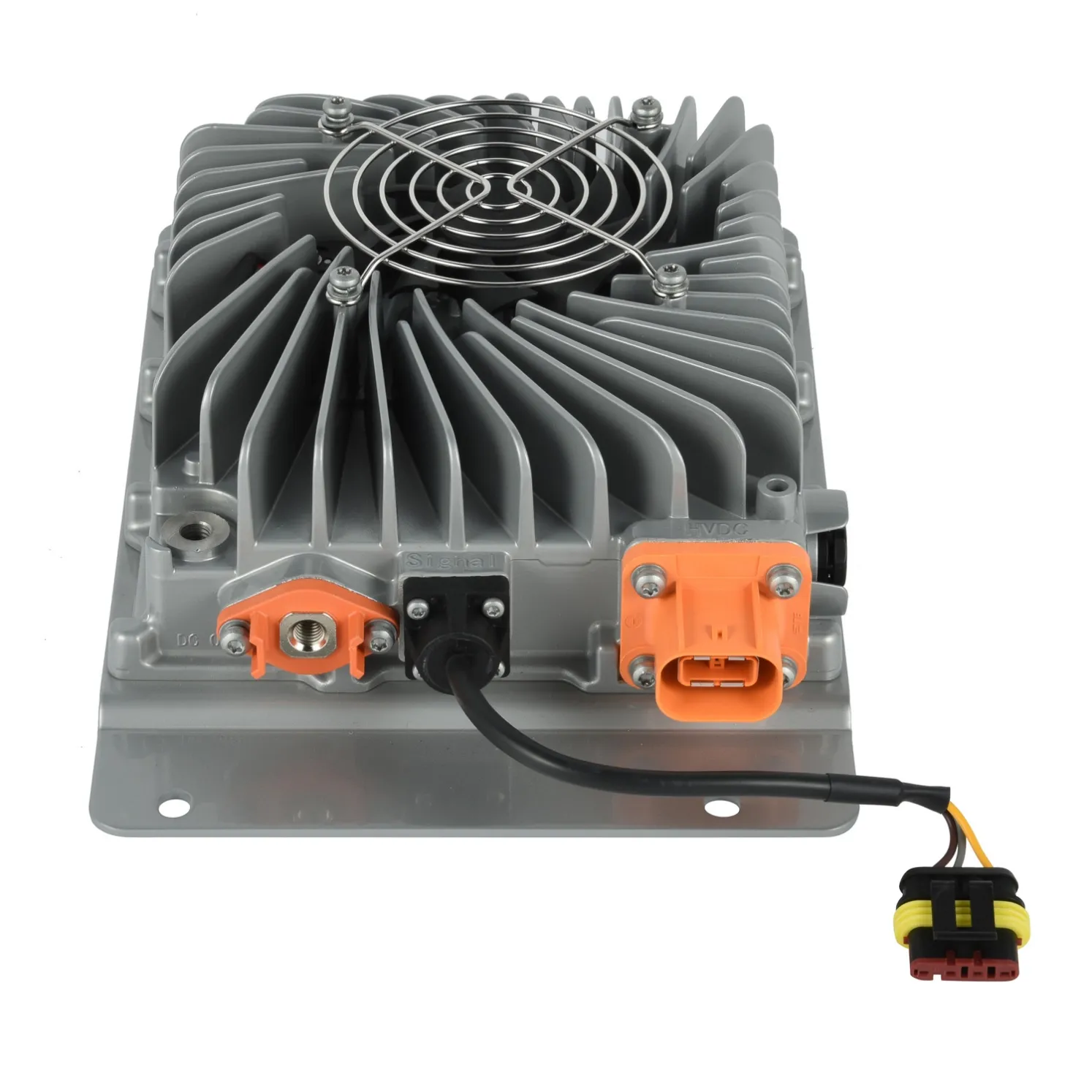
Available in 72V, 96V, and 320V versions, this DC/DC converter delivers stable 9-16V DC output at up to 110A, with 1500W rated power and ≥94% maximum efficiency.

Designed for 96V battery systems, this compact DC/DC converter converts 64-133V DC input into stable 9-16V DC output. With 500W rated power, high efficiency and multiple protection functions, it provides a reliable low-voltage power solution for electric vehicles and auxiliary systems.